The Ones to Watch

Rising names you'll hear everywhere soon.

Azikiwee Anderson

Founder of Rize Up Bakery

·By: Mbaire
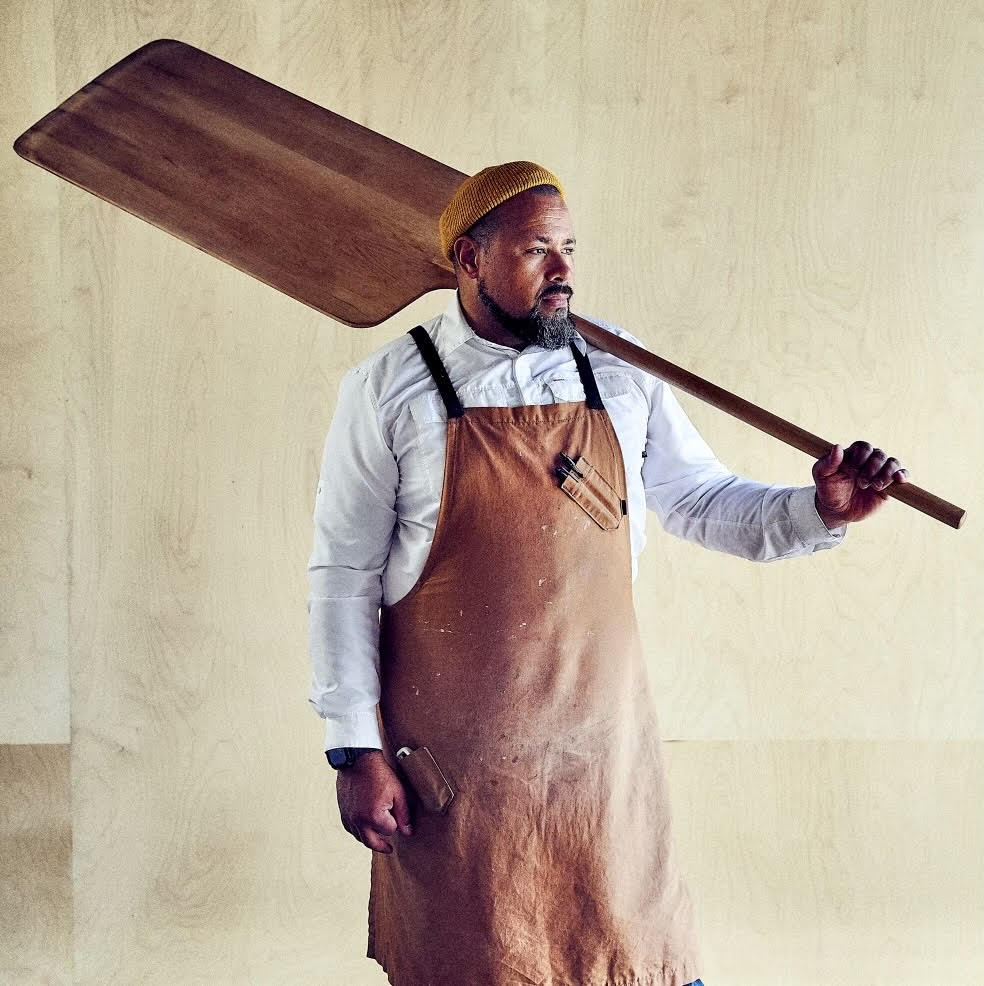
Azikiwee Anderson

Photo Credit: canvasrebel

"I don’t have a whole lot of quit in me."

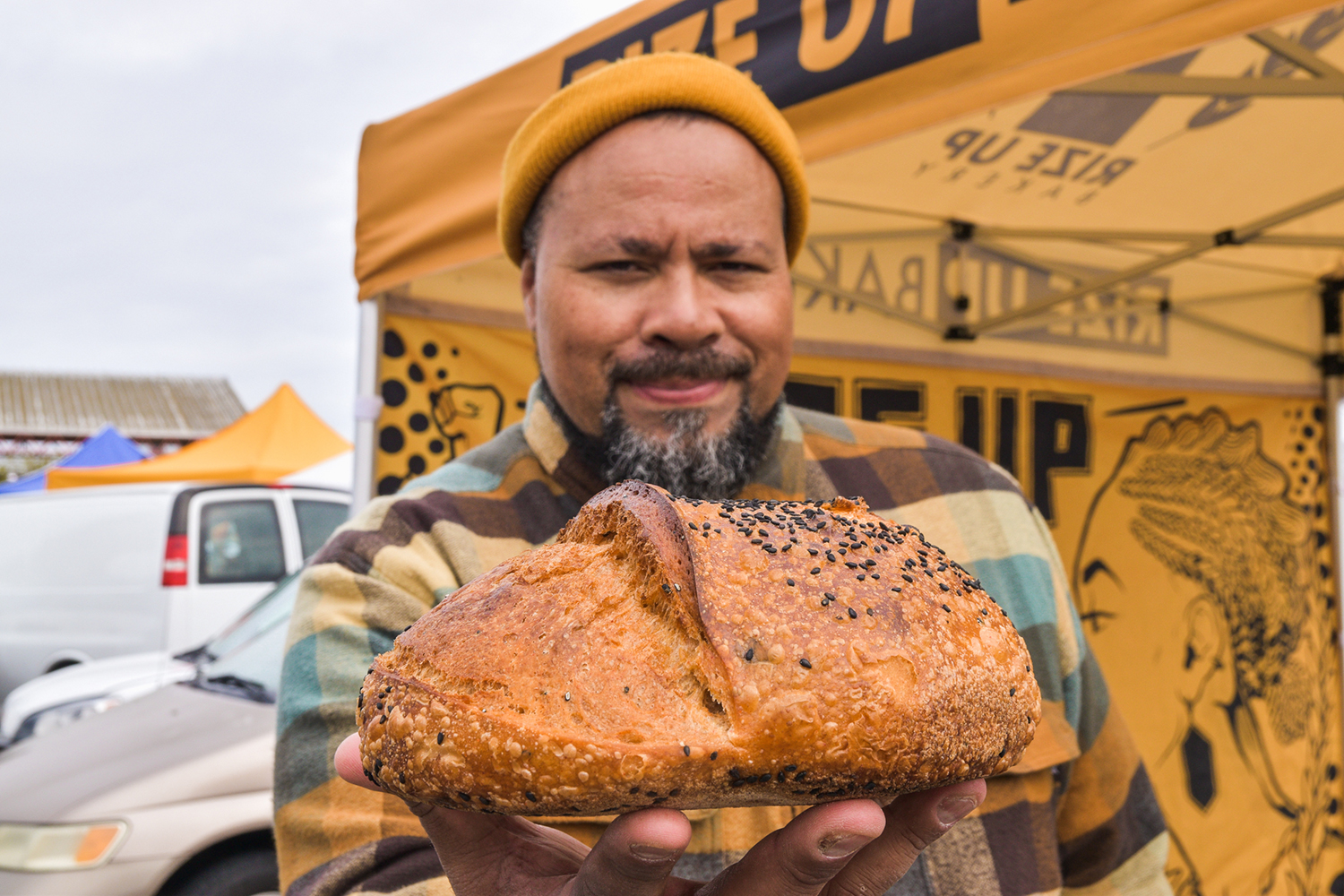
Azikiwee Anderson never planned to build a bakery. Rize Up started in 2020, during a period when the pandemic and the murder of George Floyd left him wrestling with anger, sadness and helplessness. Baking became a way to work through it. What began with a few loaves at home eventually grew into Rize Up Bakery, known for sourdough that brings together food, culture and community. For The Ones to Watch, Anderson talks about the childhood that shaped him, building a business around people rather than just profit, and how far he hopes Rize Up can go.

Before Rize Up, what did your life look like?
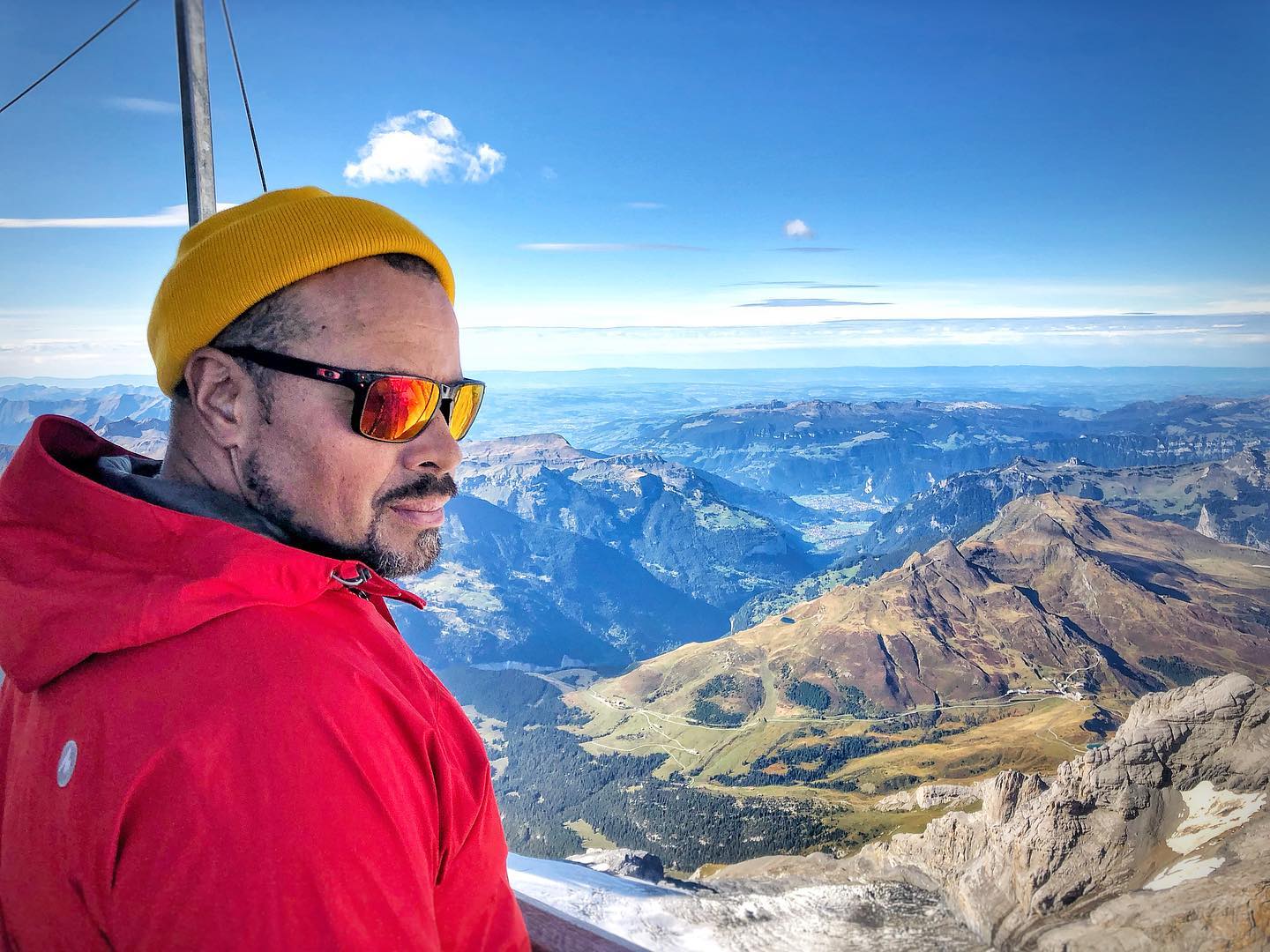
I’ve done a lot of things. I used to coach gymnastics. I was a blacksmith. I think my ADHD is a superpower because if something interests me, I lock in and get good at it. A lot of my life has been based around, “I think I can do that.” But I also came from some really difficult circumstances. When I was five, my mom escaped an abusive relationship and brought me, my brother and my sister to San Francisco. We ended up homeless for a period of time. My mom protected us from so much of it. She would tell us, “We’re just camping.” As long as we were with her, she was our home. If you’ve ever gone to sleep hungry, you know what that feels like, and you don’t want it for somebody else. She taught us to be kind, help people and try our best. A lot of who I am comes from that.
Photo Credit: Azikiwee Anderson

How did baking turn into Rize Up?

After George Floyd was murdered, I got really sad, then really angry, and then depressed. Baking helped me through that. Making a loaf takes hours, so instead of sitting there watching the news and getting angrier, I would go work on bread. It was almost like meditation. I could work with my hands, control something and, at the end, have this beautiful thing that made people happy. Then people started asking, “How can I support this? How can I buy it?” I kept saying, “No, no, it’s just a hobby.” Then I was making 150 loaves a day out of my house and working 20 hours a day. So apparently it was a pretty serious hobby.
Photo Credit: foodwise

You're known for hiring people who don't necessarily have professional kitchen experience. What matters to you when hiring?
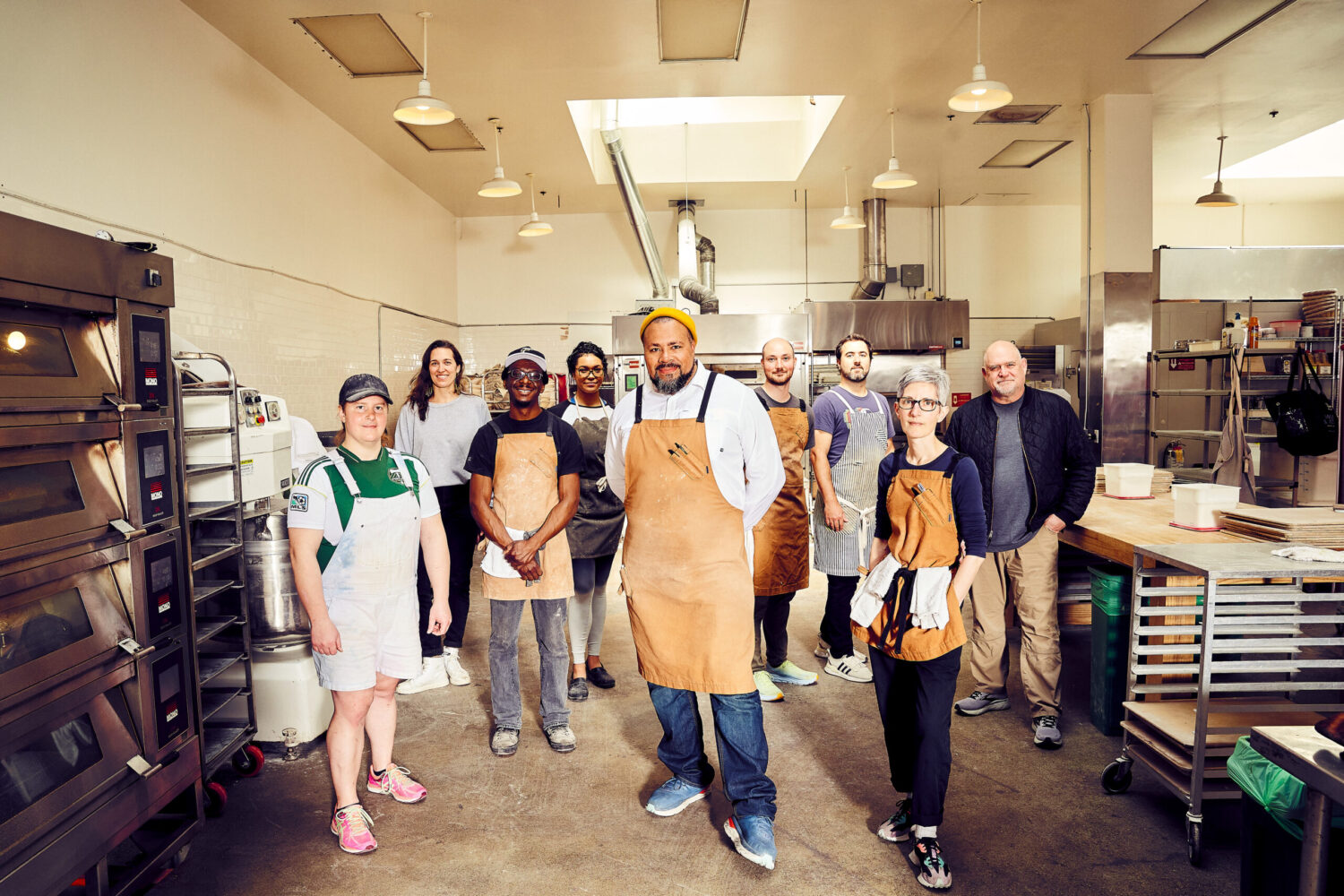
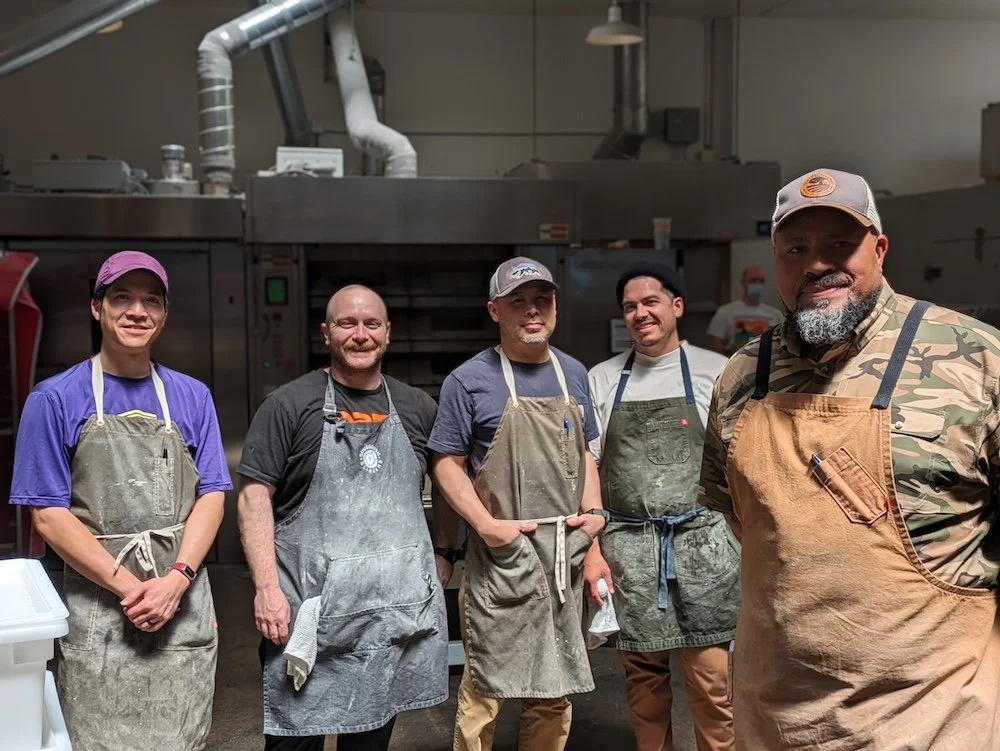
If you show up on time, you care and you know how to work hard, I can teach you the rest. I can teach you how to bake. I can’t teach you how to care. I want to create a place where people are kind, respectful and actually want to be there. It’s not just a job to me. These people are putting their time and energy into helping my dream grow, so I feel a responsibility to take care of them too.
Photo Credit: foodwise
Photo Credit: storiedsf

What has been the hardest part of turning that dream into a real business?
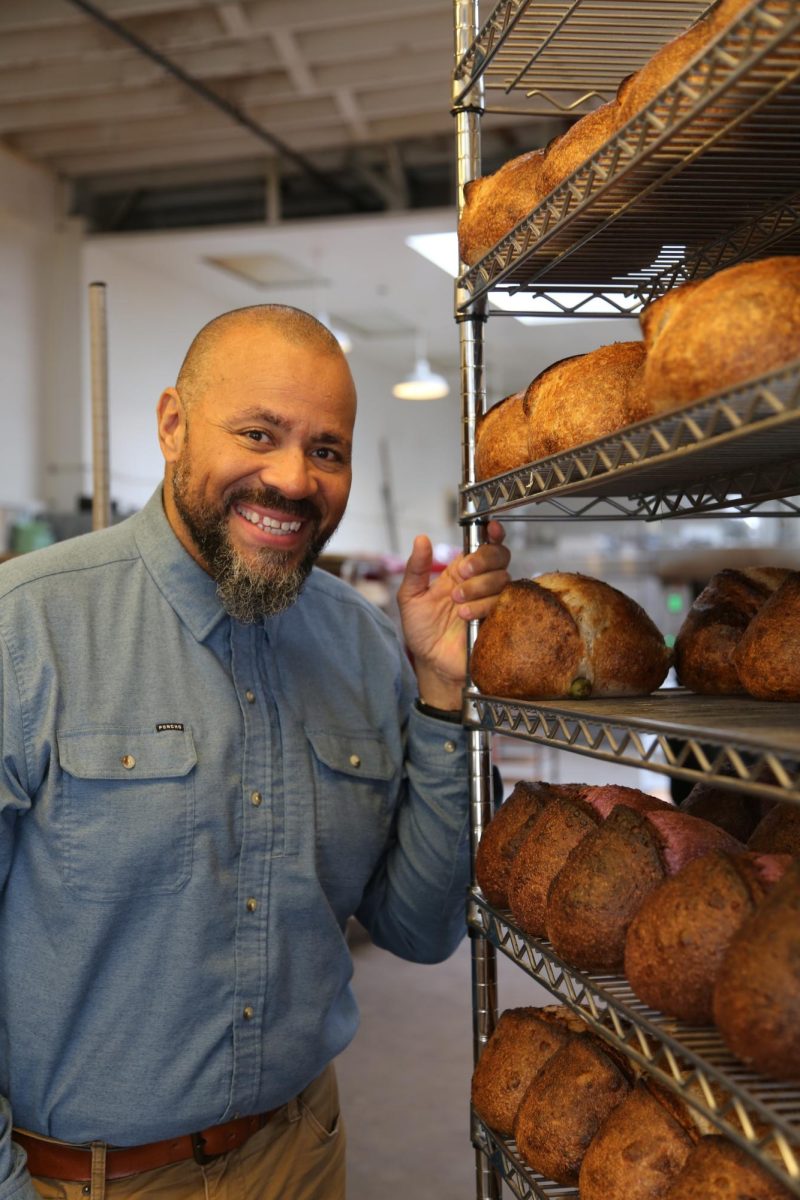
Learning that doing what feels right doesn’t always make you a great businessman. I care about community, inclusion, giving people raises and supporting other businesses. But all of those things cost money. I don’t want to become somebody who puts profits over people. At the same time, if the company isn’t profitable, it won’t be here in 10 years. So I’m trying to have a foot in both worlds: build a business that makes enough money to create real change while still being a kind person who cares more about people than profit. That’s probably the hardest part.
Photo Credit: Azikiwee Anderson

Rize Up is known for breads inspired by flavors like ube, gochujang and masala. Where do those ideas come from?
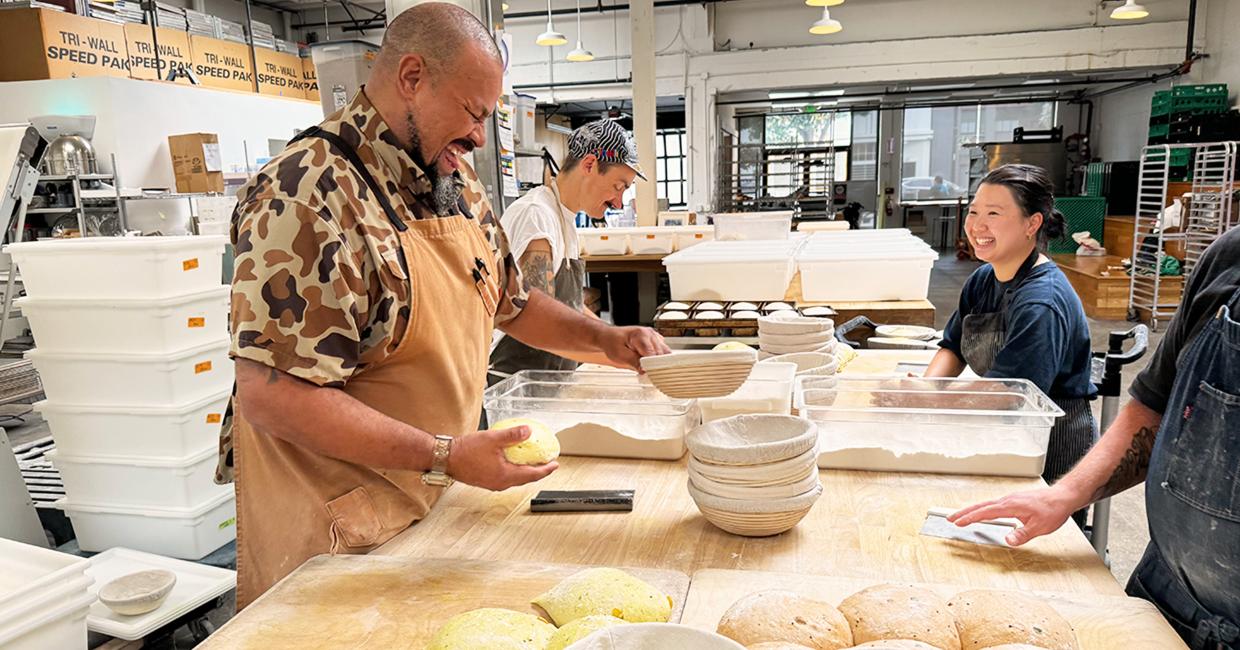
A lot of it comes through connection. Sometimes I meet another small business and think, “How can we work together?” Our K-Pop loaf, for example, uses products from Volcano Kimchi, and part of the sale supports their business. With something like our masala loaf, I think about somebody of Indian descent eating it and saying, “This reminds me of something I grew up with.” That makes my heart sing. People shouldn’t have to change who they are to feel seen. If I can use bread to make somebody feel represented, I think that’s beautiful.
Photo Credit: sfpuc

After everything Rize Up has been through, what keeps you going?
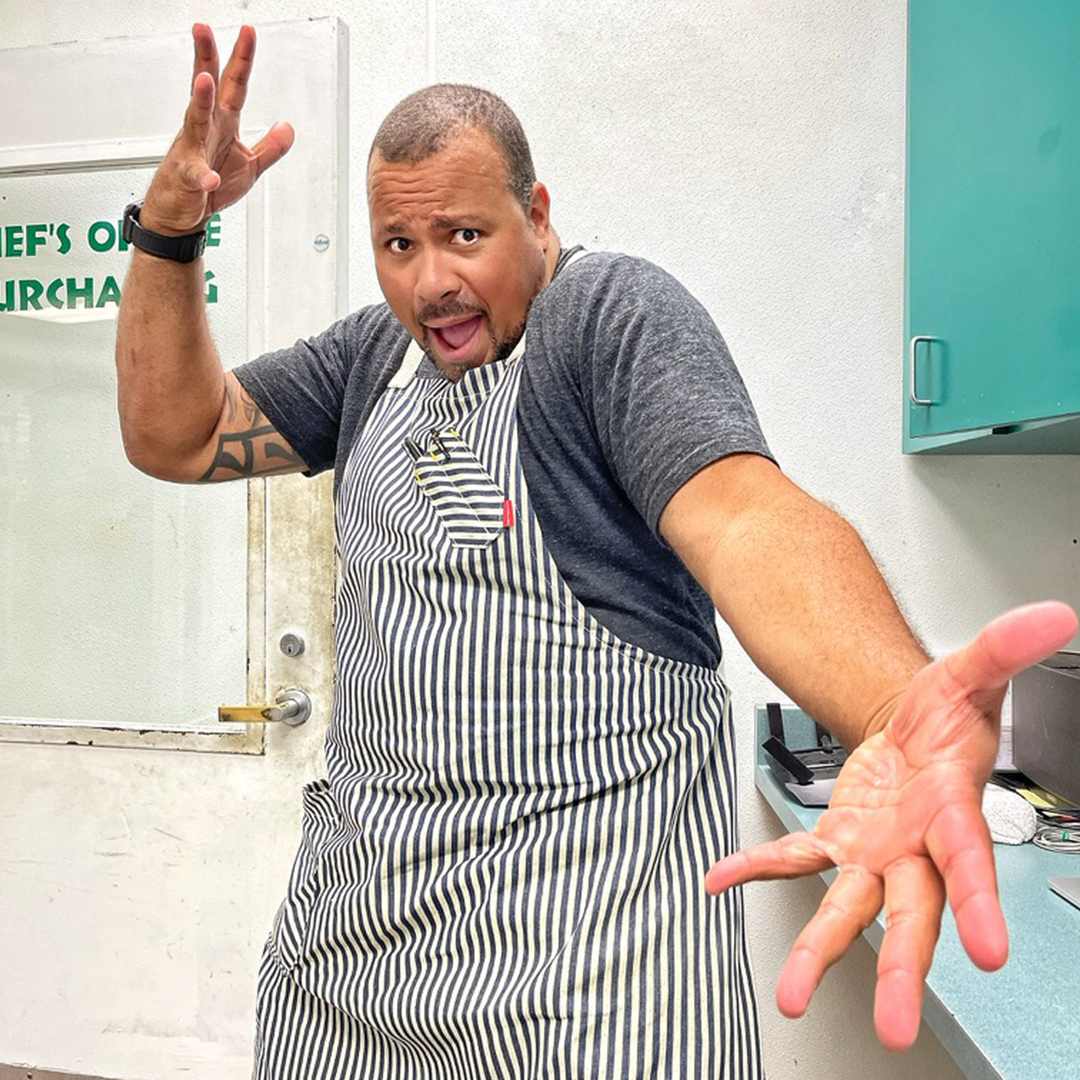
I don’t have a whole lot of quit in me. If something doesn’t work, I’m usually thinking, “Okay, how do we do it differently?” I came from nothing. Nothing in my life has ever been perfect, so I don’t need everything to be perfect now to appreciate what I have. There are definitely moments when things get dark and I think, “What am I doing? This is hard.” Then I tell myself: drink some water, eat some food, take a shower, go to sleep. Wake up tomorrow. It’s a new day.
Photo Credit: biritesf

You’ve talked about becoming the representation you didn’t always have growing up. What does that mean to you now?
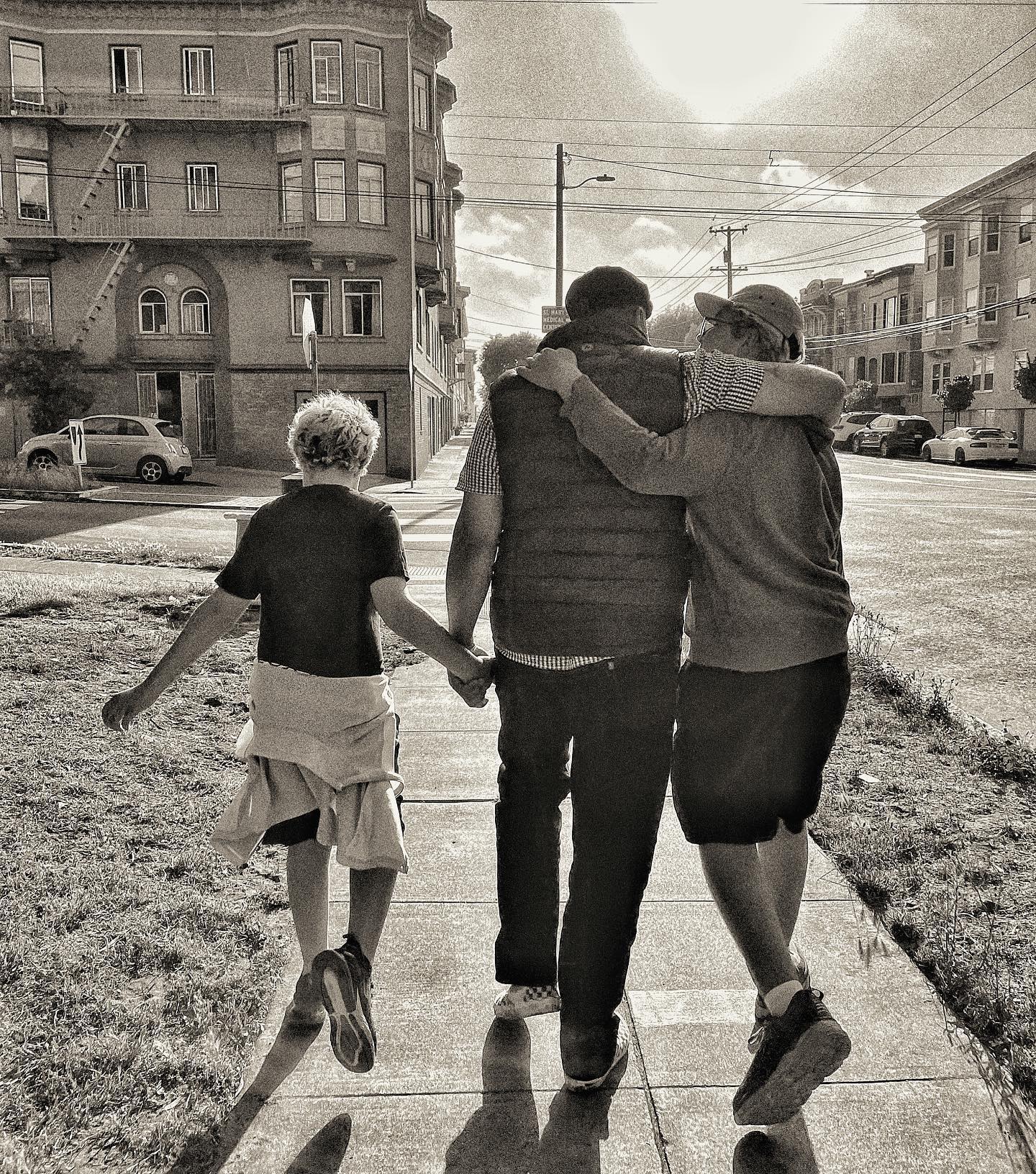
It means a lot. I was dyslexic as a kid, and people made me feel stupid even though I knew I wasn’t. Now when I work with kids, I want them to know, “I see you. You can do whatever you want.” One of my employees once told me, “You become the adult you needed when you were a kid.” That hit me. I realized that’s who I get to be now.
Photo Credit: Azikiwee Anderson

What are you ultimately trying to build with Rize Up?
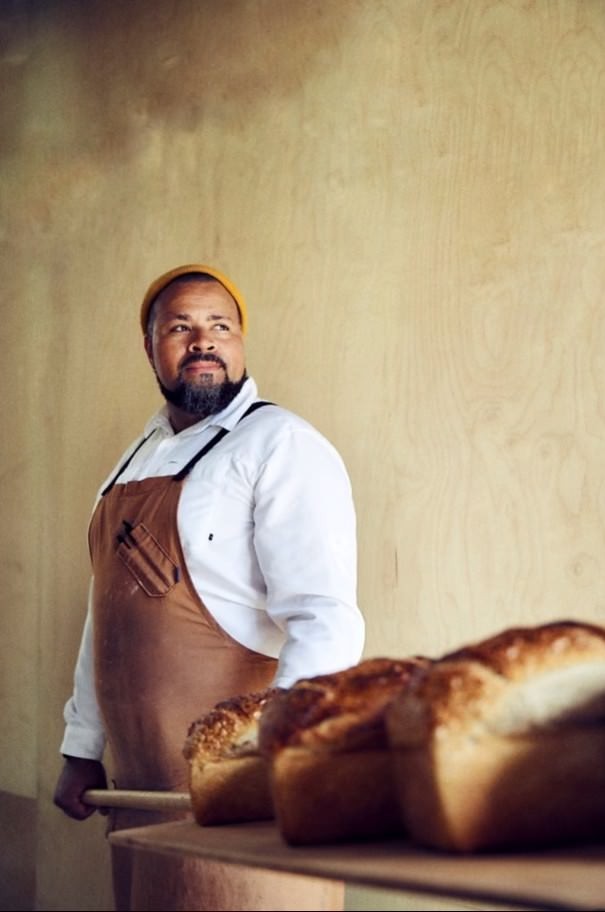
I have much bigger ideas. I would love to own land, grow grain and teach kids. I want to create opportunities for people from Black and brown communities to learn how to grow wheat, mill it and make bread, then take those skills back to their communities. I want more Black and brown people in the baking industry who are highly trained and changing how things are done. But those bigger ideas need funding and infrastructure. So if I want to get there in five or 10 years, I have to do what’s in front of me really well right now. That’s what I’m building toward.
Photo Credit: canvasrebel