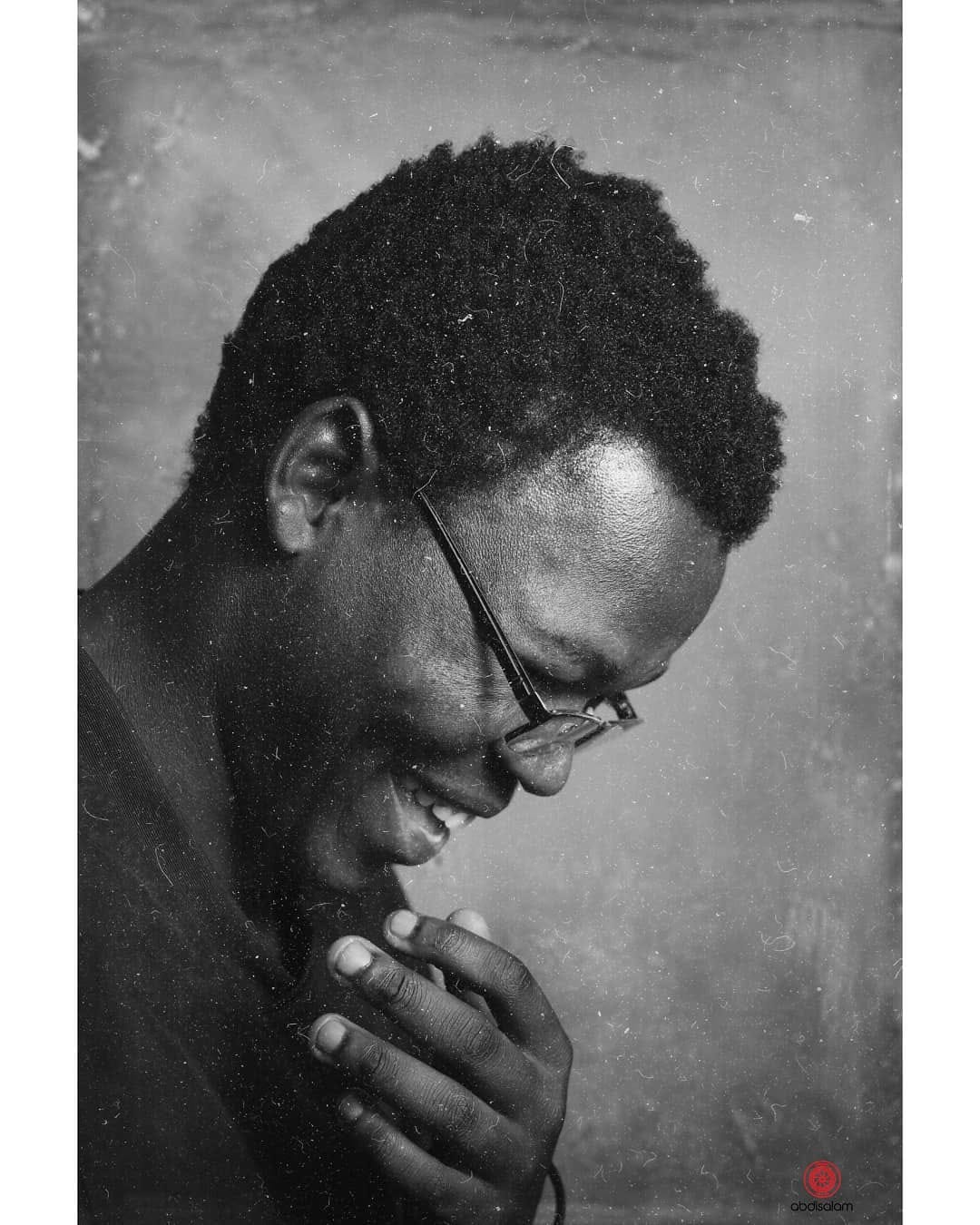
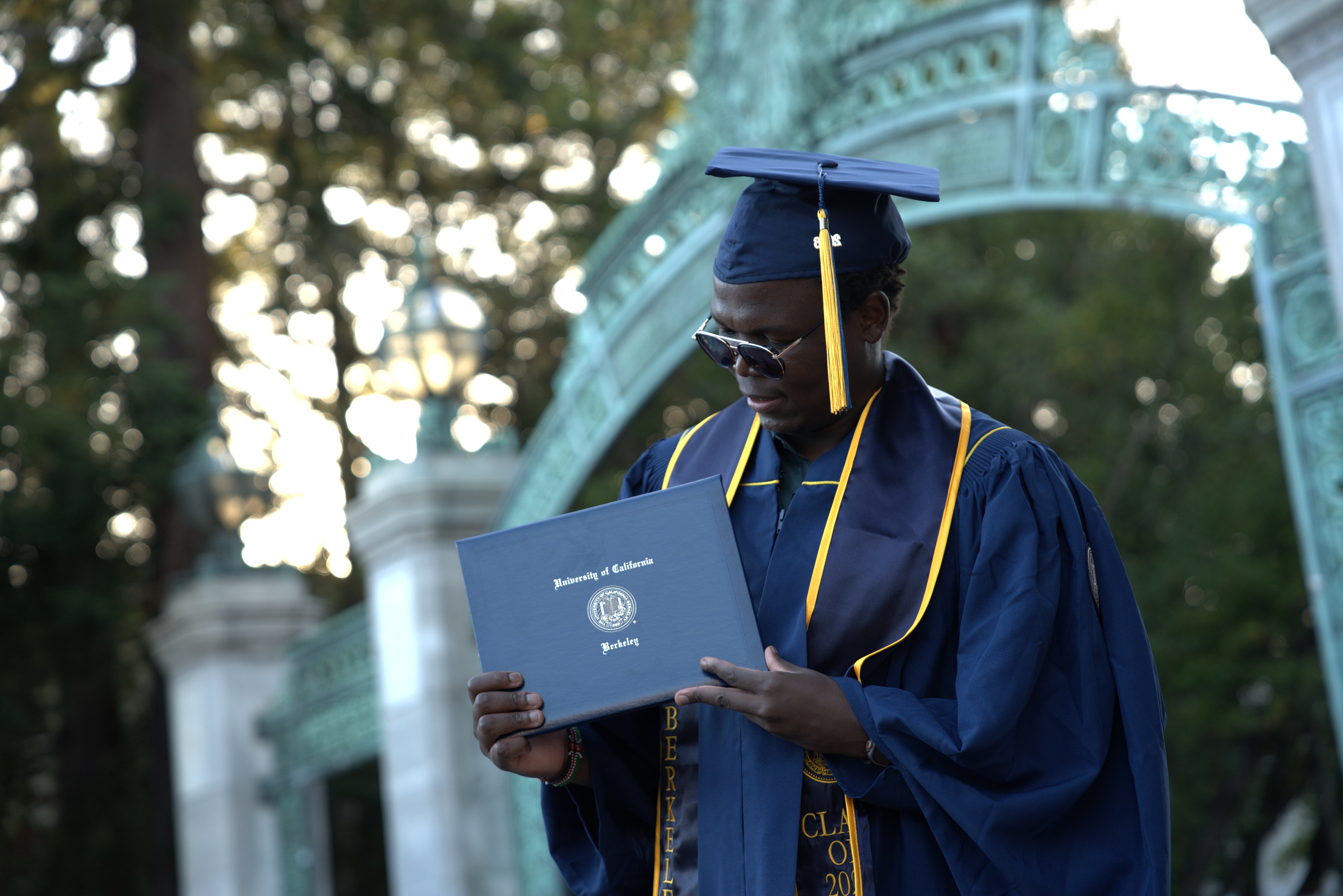
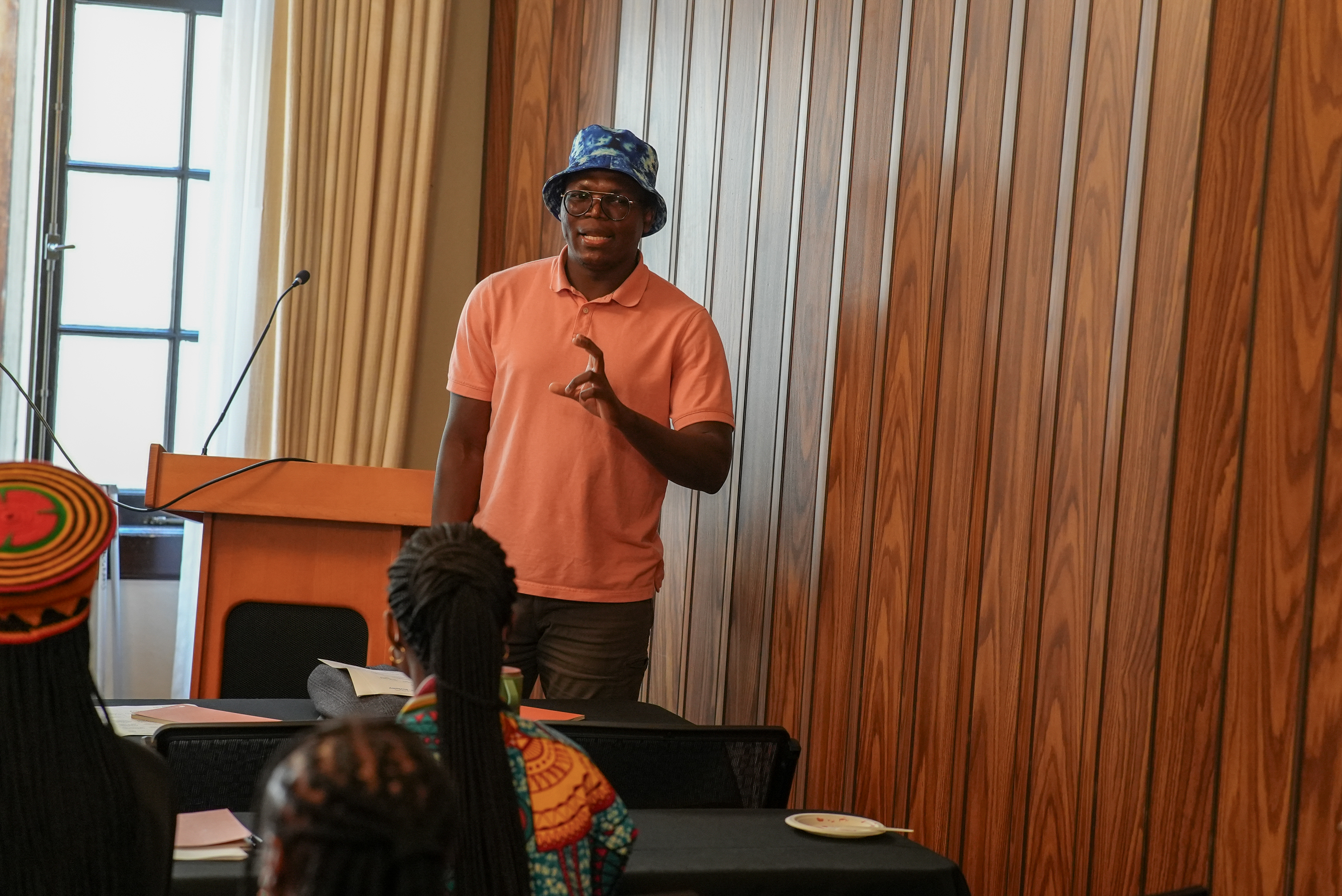
"If your moment hasn't come yet, you're not behind. You're just still in the middle of the story."
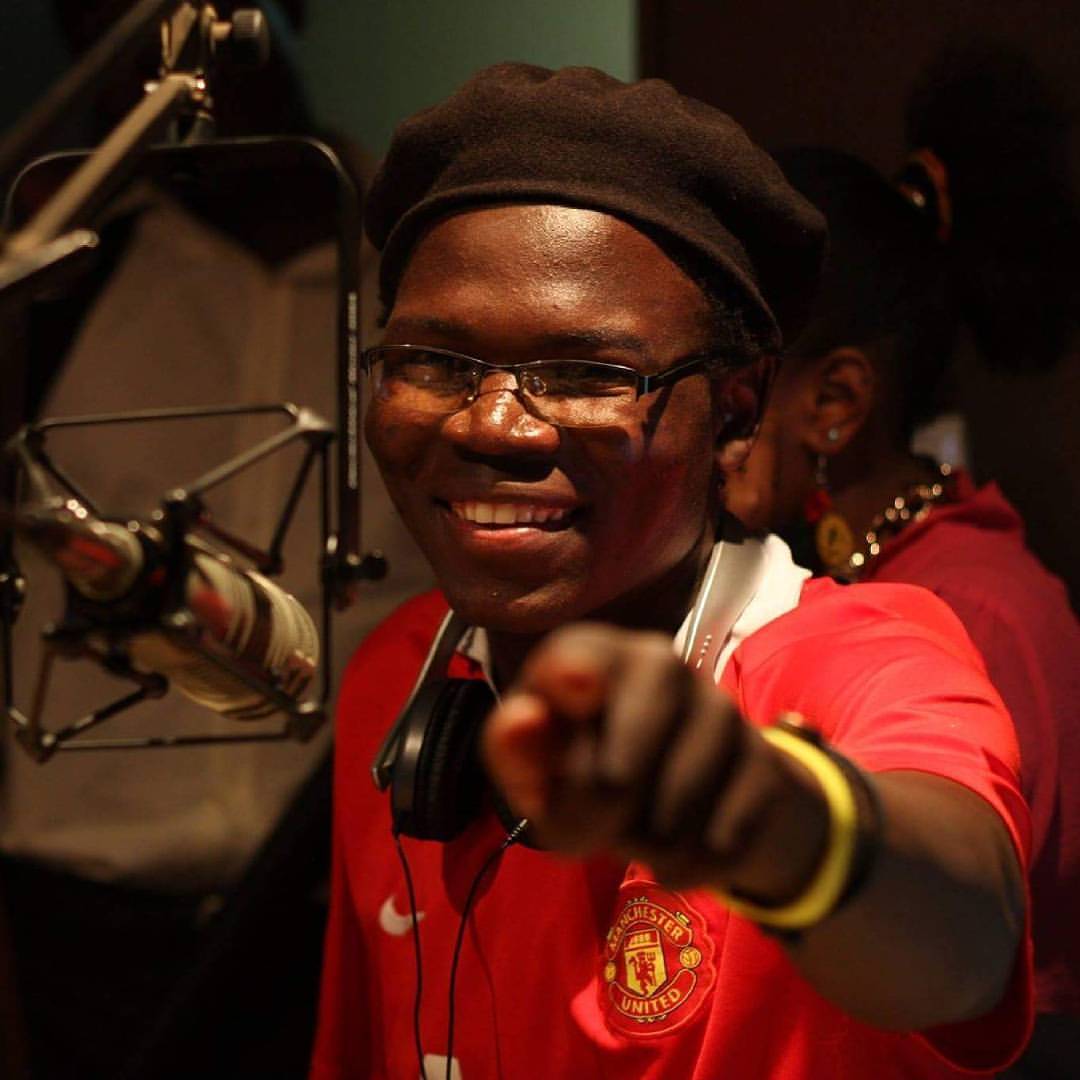
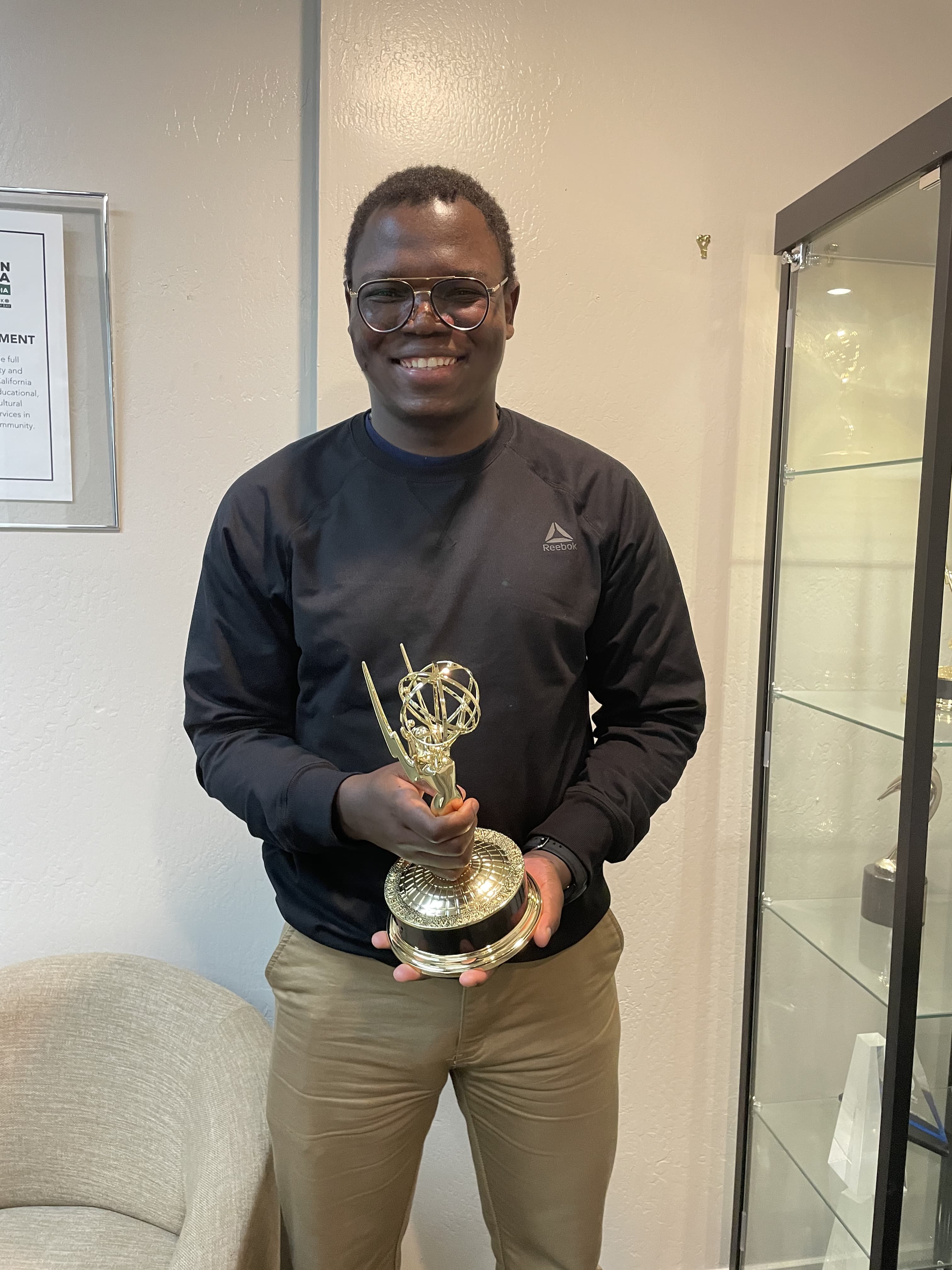
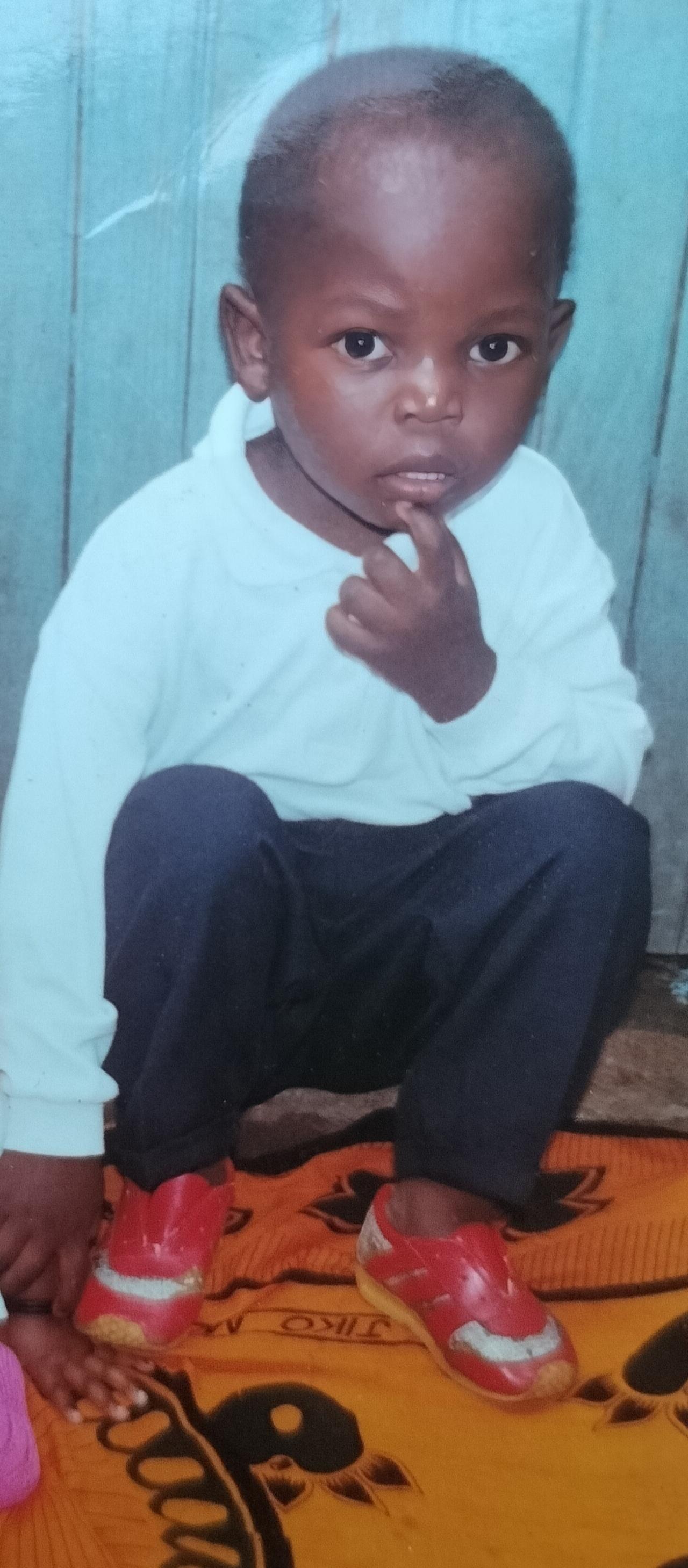
Victor Ochieng is not your typical filmmaker. At 33, the Kenyan-born, Bay Area-based documentary filmmaker has gone from mimicking radio journalists as a kid on the streets of Nairobi, earning himself the nickname ‘Presenter,’ to working on Emmy Award-winning productions including PBS’s Climate California during his internship atNorthern California Public Mediawhile studying at the UC Berkeley Graduate School of Journalism. He once dreamed of becoming a priest. He still wants to spread the word. He just found a bigger pulpit.
When did you discover your love for filmmaking?
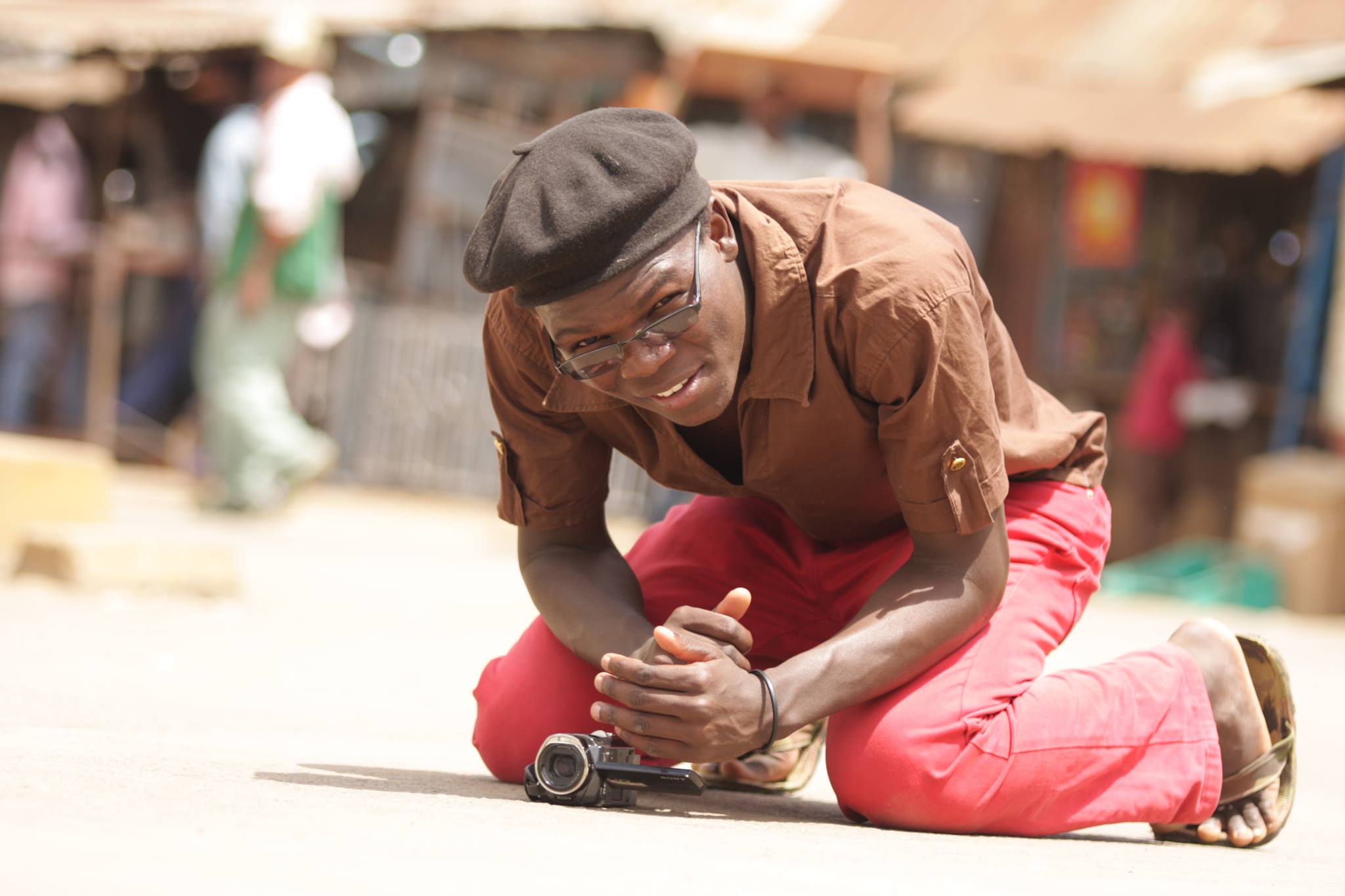
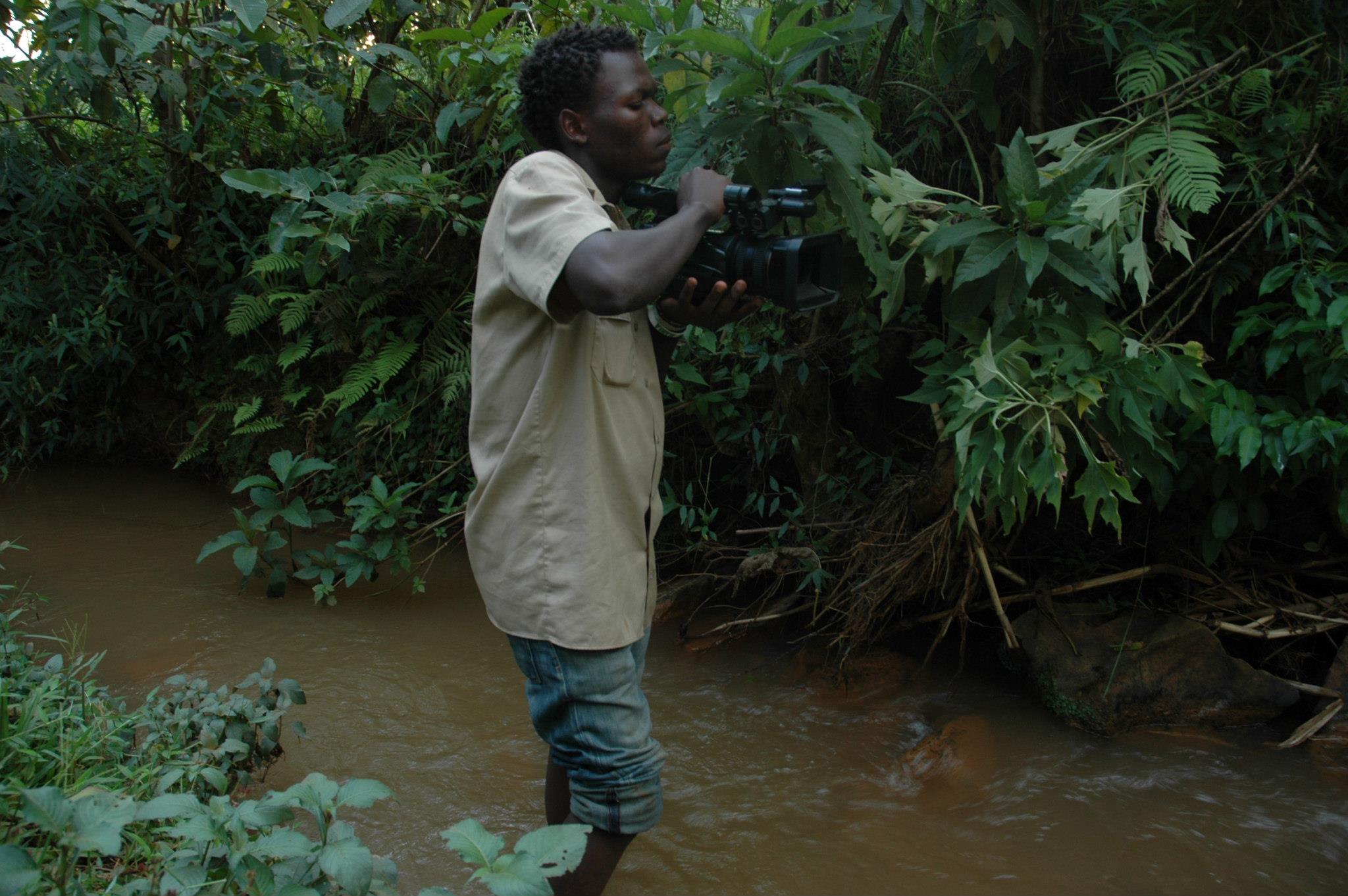
After being a radio host for several years, I felt that I did my part in that space and wanted to explore the documentary film-making industry. I realized I was asking people to imagine stories I could actually show them. That restlessness pulled me toward documentary film, the idea that instead of just telling people what's happening, you take them there.
Courtesy of Victor Ochieng
What has your education journey been like?
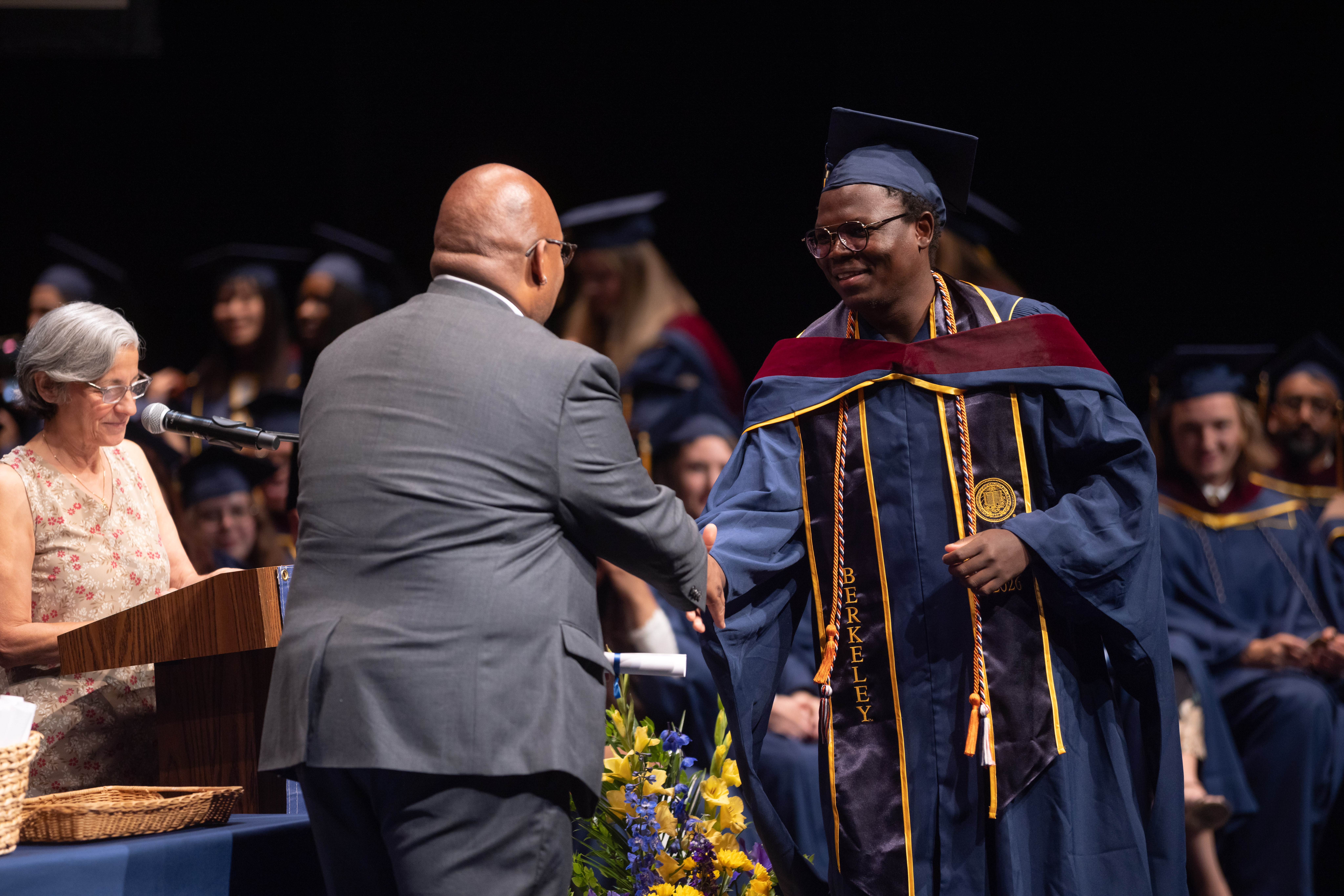
It has not been easy. I enrolled at the United States International University-Africa on a scholarship for what was supposed to be a three-year journalism program. It took me eight years. My scholarship collapsed after the second year, so I was juggling jobs just to stay in school while watching classmates climb career ladders. My family couldn't cover the fees. There were stretches where I genuinely didn't know how I was going to finish.
That journey broke me open in ways a smooth ride never could have. It taught me patience, flexibility, and how to keep showing up when everything in you wants to quit.
Courtesy of Victor Ochieng
Eight years is a long time to hold on. What kept you going?
Where I grew up, we didn't have mentors or role models in the traditional sense. The people we admired were the ones with sharp clothes and good shoes, guys who were living fast but not living right. Graduation parties weren't things we attended because they simply didn't happen
around us. My parents sacrificed a lot for us and although they never reached the academic level I did, they were relentless about making sure my siblings and I succeeded academically.
My mother would look me in the eye and say, "The only gift I can give you is education." She wasn't being poetic. She meant it. And she was right. Academics cracked the world open for me. I couldn't let that go.
When you graduated did you land a gig or job right away?
Surprisingly, yes. I was actually already working by the time I graduated, with the Kenya Defense Forces as a media trainer and producer. Years of freelancing had quietly built a reputation I didn't even fully realize I had. Someone I'd worked with long ago, someone I'd completely lost touch with, tracked me down and offered me the gig. The grind had been building something the whole time. I just couldn't see it yet.
And then Berkeley came. Were you excited when you got in? What was going through your mind?
I did not get in immediately, no. The first time I applied, I was waitlisted then rejected. I also applied to the Mastercard Foundation Scholars Program at UC Berkeley and got turned down. I applied to Berkeley a second time, got in, and then sat there with an acceptance letter but no
funding. The foundation hadn't reached out to me, so I decided to reach out to them. They sent me the link to apply a few days before the deadline. I submitted everything and got the scholarship. It was a Saturday when the news came through. Things were genuinely hard. And when I saw that email, I just felt it in my whole body.
UC Berkeley has one of the best journalism programs in the world and one of its professors had produced my favorite childhood TV show back in Kenya. That show was part of my childhood. Getting in felt like the universe closing a loop I didn't even know was open.
Courtesy of Victor Ochieng
What has your educational journey in UC Berkeley taught you?
It taught me to sit with uncertainty and keep moving anyway. I showed up carrying enormous expectations, questions about where I fit, what kind of storyteller I was, what I was even doing there. What I discovered is that opportunities almost never arrive fully formed. You walk into
rooms feeling completely unqualified, and the growth happens right there in that discomfort, whether you're ready or not. I worked on stories that became part of Emmy Award-winning productions. And somewhere in that process, stories stopped being content to me. They became responsibility. They shape how communities see themselves, how people understand each other. Berkeley didn't answer all my questions, but it made me comfortable walking into rooms that once would have terrified me.
Among the many stories you've worked on, which project left the biggest impact on you personally?
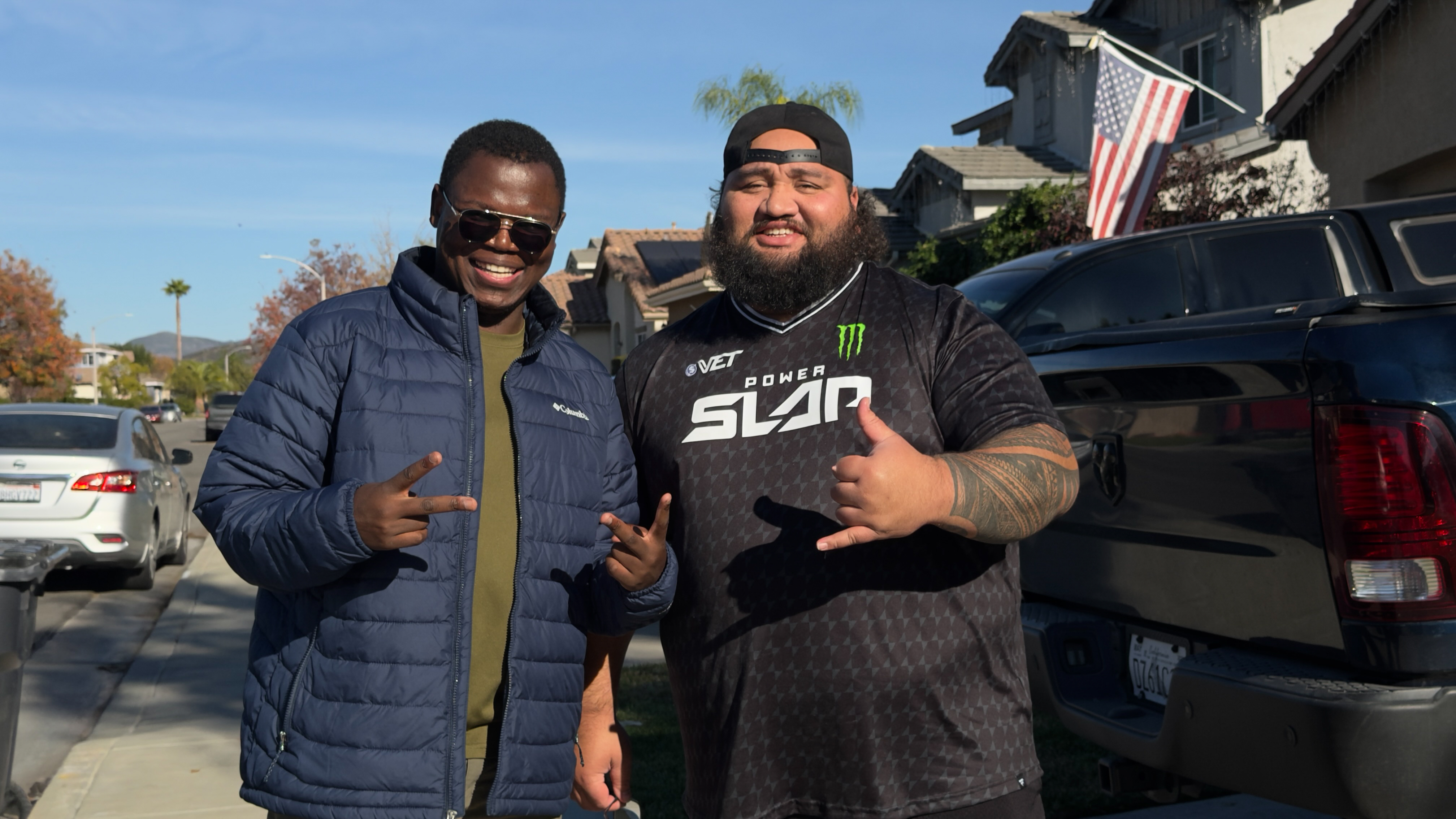
They say you're only as good as your last piece of work. But the project that stays with me is my UC Berkeley thesis film, Makini: King of Powerslap. The documentary followed Makini Manu, a competitive power slap athlete, a combat sport where opponents take turns
delivering open-handed strikes while standing their ground. What stayed with me was not the spectacle of the sport itself, but everything that surrounded the story. A father putting his body on the line to provide for his family. A mother quietly holding everything together while he's gone. A son who wants the world to see him beyond limitations, as strong and as a fighter. That story had layers that kept revealing themselves the deeper we went. When it screened at BAMPFA, I cried. I have never cried watching my own work. But I felt what that film did to the people in that room, and it hit me somewhere deep. That story carried a weight I didn't fully understand until it was up on that screen. It will stay with me for a long time.
Courtesy of Victor Ochieng
How do you see AI shaping the film industry, particularly when it comes to storytelling and production timelines?
Absolutely, and it already is. But here's how I think about it: AI is genuinely useful for transcription, interview logging, research, and cutting down repetitive tasks that eat up your day. But documentary filmmaking runs on trust, and you cannot AI your way into a story. AI can't sit with a grieving family and earn the right to be in the room. It can't read the silence after a question lands wrong. It can't decide what's ethical to put on screen and what needs to stay off. Those decisions are human. They'll stay human. The real question isn't whether to use AI, it's whether you're using it in a way that actually serves the story or just serves your convenience.
What would a 23 year old victor say to Victor now?
I am proud of you.
Courtesy of Victor Ochieng
And what would he think of Victor today?
He'd be in shock. That kid from Africa made it to Berkeley? Worked on Emmy Award-winning productions at PBS? He would not believe it. But more than the accolades, I hope he'd see that I didn't lose the part of myself that believed stories could actually matter. At 23, I thought success was about speed, getting somewhere quickly, making things happen. At 33, I still dream just as big, but I move with intention now. I've learned that growth is slower and messier than you expect, and that that's completely fine.
I've seen 40-year-old boys and 20-year-old men. I've seen people figure themselves out early and others come into their own much later in life. Some people arrive fast and burn out just as quickly. Others take the long road and build something that actually lasts. Everyone is on their own track. If your moment hasn't come yet, you're not behind. You're just still in the middle of the story.
Courtesy of Victor Ochieng
Could you have believed that when things were at their worst?
I tried to. Even at my lowest, and my lowest was really low, moving back home, feeling like everything I'd worked for had collapsed, I kept telling myself it would turn around. Was that easy? Absolutely not. It was painful in ways I couldn't even put into words at the time. But I held onto that belief because it was the only thing I had. For anyone sitting in that darkness right now: keep the faith. Not because it's a nice thing to say, but because it's what got me through.
Did you have a support system during the dark times?
My family saved me. They couldn't always fix what was wrong, and there were things I had to face alone, but they never stopped showing up. They would call, check in, sit with me even when I had no answers. That consistency meant everything. But the moment that really cracked me open was when my younger sister who was barely making enough for herself, quietly helped me financially. She didn't make a big deal of it. She
just did it. I didn't have words for what that felt like. Someone with so little giving so much, not out of obligation but out of love. I'm grateful that I now have the opportunity to give back.
My family is in a better place today. I don't say that to brag. I say it because I want people to know that the story doesn't end in the hard part. The people who showed up for me when I had nothing, I get to show up for them now. That's the part that means the most to me.
You've come a long way from where you started. Who do you attribute your success to?
My parents. Everything traces back to them. My mother woke up at 3:00 am every day to go to work. Every single day. I have never once seen her sit down because she was tired. Never complained, never stopped. My father was the same, working through holidays, through weekends, on a salary that most people would have given up on, and somehow making sure every shilling stretched far enough to keep us in good schools. They were running on pure love and will.
What strikes me now is that they did all of that not to rescue themselves from their own situation, but purely to build something better for us. That kind of selflessness is rare. I don't take it lightly. And beyond the sacrifice, they gave us faith. That quiet, unshakeable belief that things work out
if you keep going. I carried that belief into every difficult moment, into Berkeley, into the dark years, into everything. It came from them first.
Courtesy of Victor Ochieng
If you were to go back in time, what would you change?
Honestly, I think I spent too much time being hard on myself for not getting where I wanted fast enough. Looking back now, I realize life is not linear. Some seasons are for building, some are for surviving and some are for finally seeing the results of things you planted years earlier. I would probably tell my younger self to breathe a little more, trust the process a little longer and understand that delays are not always denial.
What's next for Victor?
Something I am genuinely excited about: a long-term storytelling project called Century of Voices. It will document the memories, experiences, and history of people connected to International House at Berkeley as it approaches its centennial year. We are talking to people like former Google CEO Eric Schmidt, Nobel Prize winners, and global changemakers. It is big in scope and deeply human in spirit. Exactly the kind of work that reminds me why I came here in the first place.
Courtesy of Victor Ochieng
Last question, what would you tell an aspiring filmmaker just starting out?
Stop waiting to feel ready! That feeling usually comes after you've already said yes. Show up. Learn your craft. Learn the technical side because it matters. But the relationships you build will open more doors than any camera ever will. Be emotionally intelligent. Stay curious and protect that curiosity like it's your most valuable asset. And stop measuring your timeline against someone else's. Your voice matters, not because it's perfect, but because no one else on earth sees the world exactly the way you do. That's not a small thing. That's everything.