The Ones to Watch·Bay Area

Rising names you'll hear everywhere soon.

Chuol Ruei Deng

Founder

·By: Mbaire
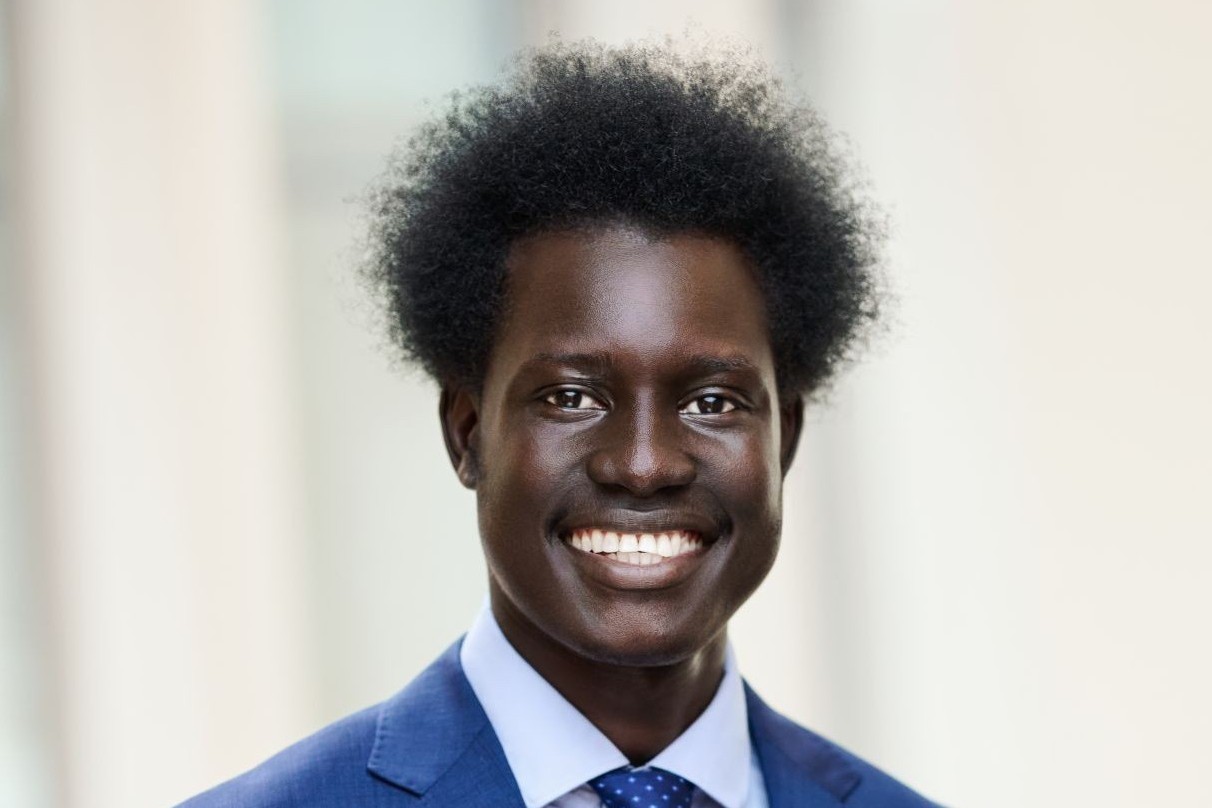
Chuol Ruei Deng

Courtesy of Chuol

"Success breeds success."

Education changed the course of Chuol Ruei Deng's life. Born in Ethiopia and raised between South Sudan and Ethiopia, he learned early that opportunity could never be taken for granted. Today, as a master's student in Development Engineering at UC Berkeley, he's using artificial intelligence to help create opportunities for others. His work reflects a simple belief: technology should reach the people who have been left behind, not just those who already have access. We spoke with Chuol about the journey that brought him here, the challenges that shaped him, and the impact he hopes to make.

You were born between South Sudan and Ethiopia and are now building AI at UC Berkeley. Looking back, what experiences shaped the person you've become today?
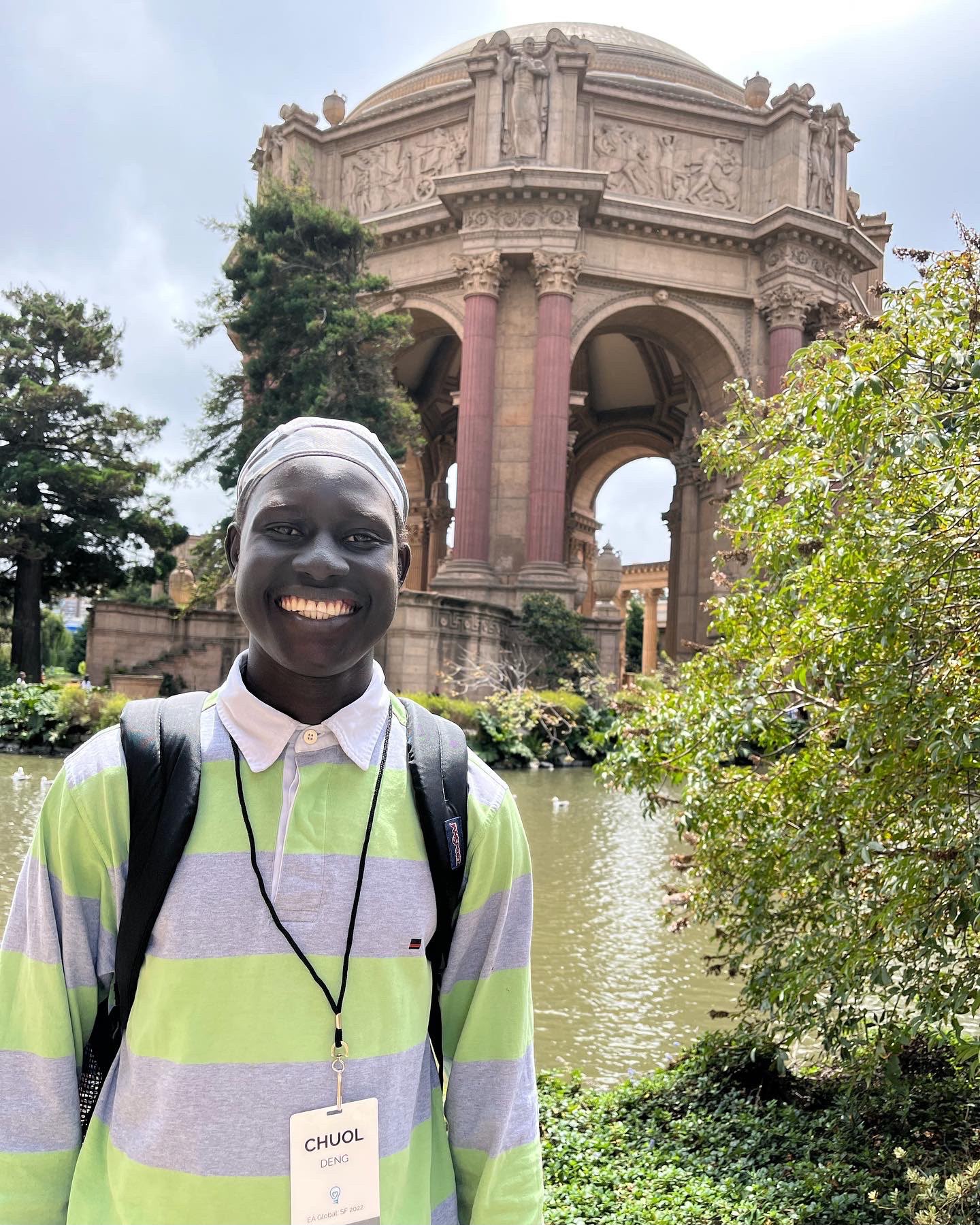
I grew up in a place where war, displacement, and limited opportunities were part of everyday life. Access to education and economic resources wasn't something people could take for granted. Very early on, I realized that education was my way forward. I loved soccer, but I knew that for someone in my situation, education was the one thing that could change my life. Coming to UC Berkeley has also been incredibly transformative. You're surrounded by people who are constantly building something meaningful. Being in that environment makes you ask yourself, "What can I contribute?" It pushes you to think beyond your own success and focus on how you can create opportunities for others. That question has become the foundation of everything I build today.
Courtesy of Chuol

You're a first-generation student. Was there ever a moment when you questioned whether you belonged at institutions like NYU or Berkeley? How did you overcome those doubts?
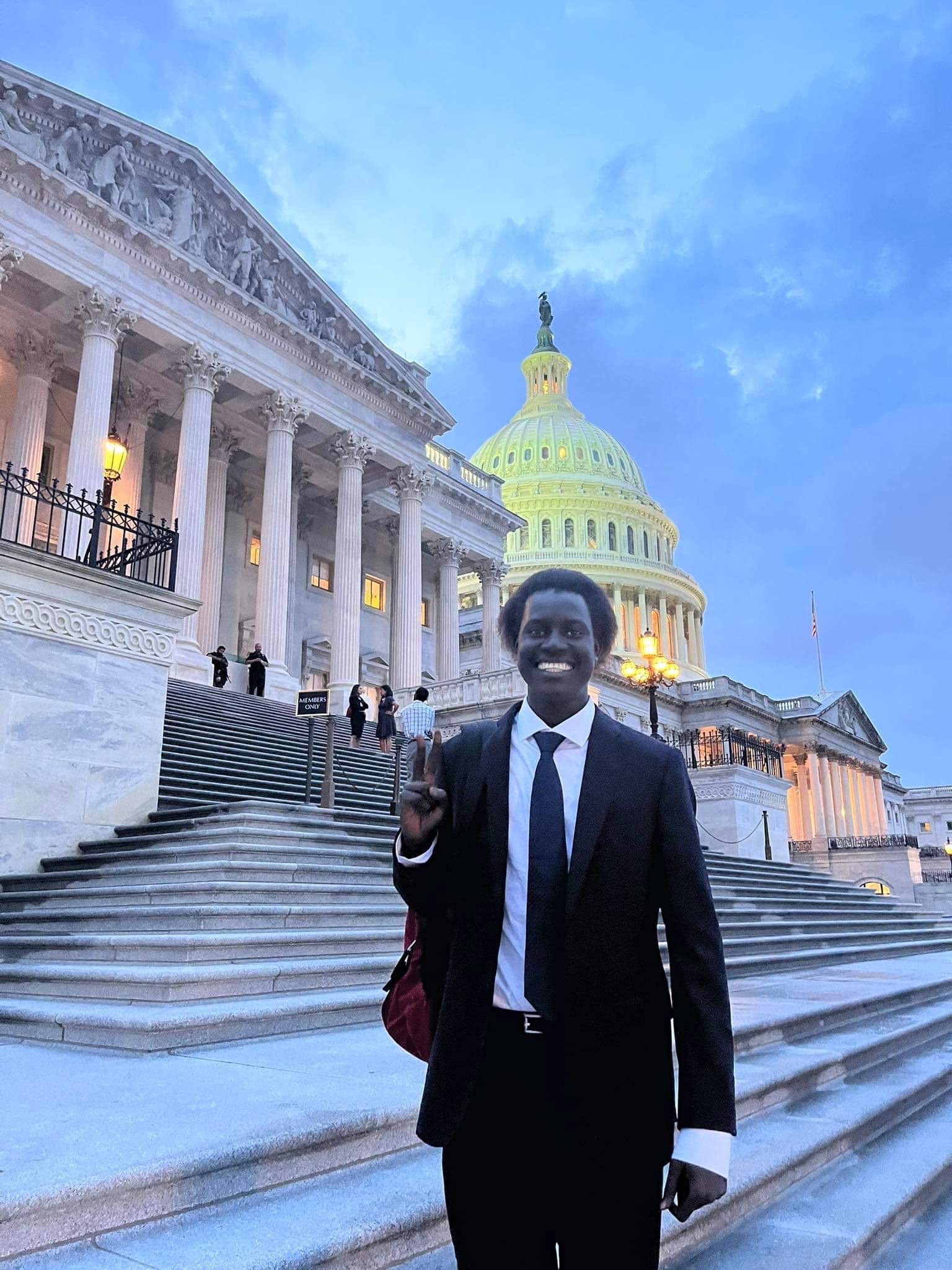
Absolutely. When I arrived at NYU Abu Dhabi, I looked around and saw students who had traveled the world, attended incredible schools, and seemed to understand everything about the system. I often wondered whether I truly belonged there. What helped me was realizing that success builds on itself. I always say, "Success breeds success." Every small achievement became a stepping stone to the next one. None of it happened overnight. It was the result of consistently showing up, working hard, and believing that every success, no matter how small, could lead to another.
Courtesy of Chuol

Before people knew your accomplishments, who was Chuol as a kid? What were you curious about, and what did you dream of becoming?
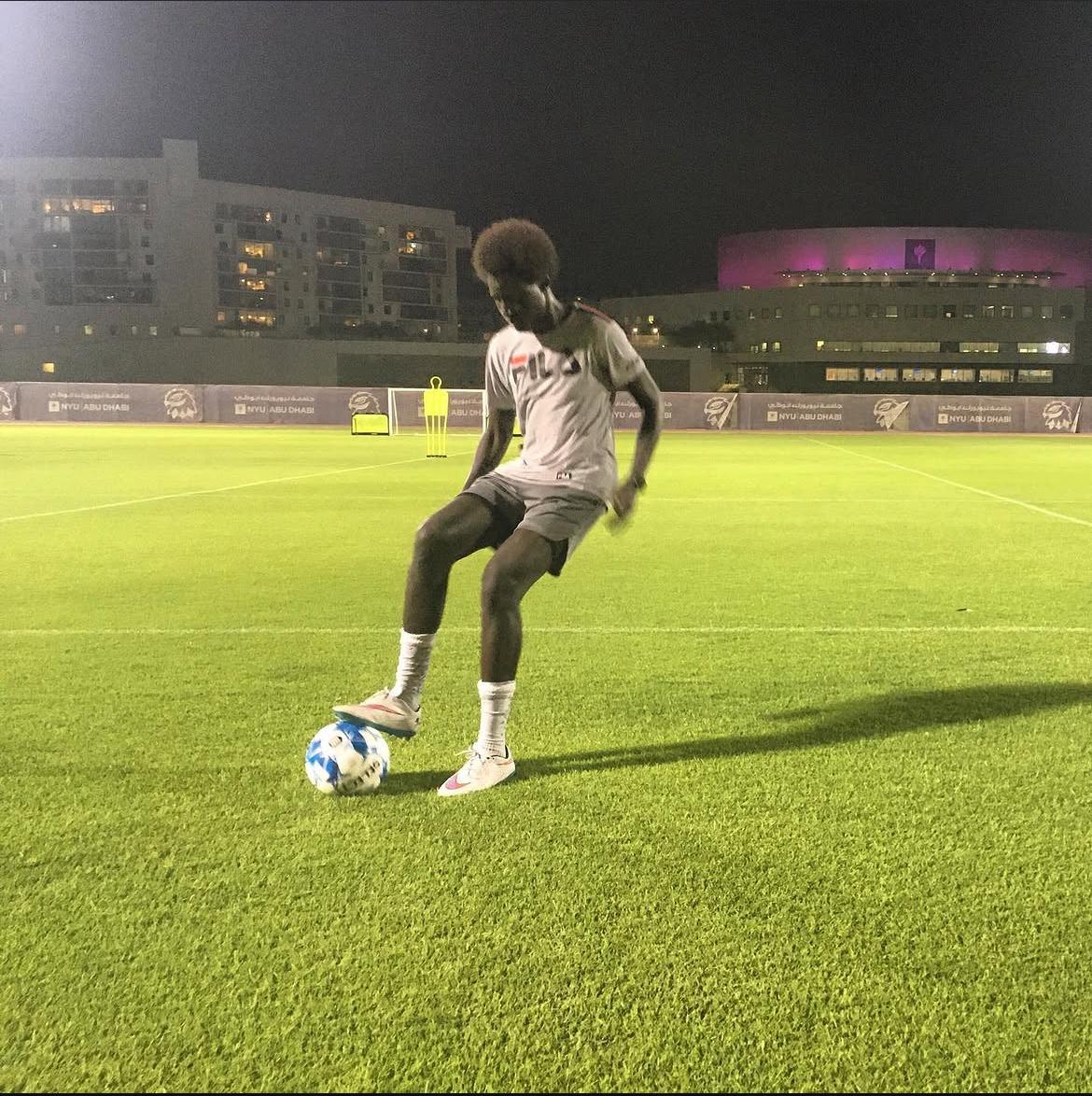
I was a very quiet child nor was I the kid causing trouble. I enjoyed spending time with friends, playing soccer, learning, and helping my family whenever I could. I've always loved learning. Even in elementary school, I genuinely looked forward to going to class. If I struggled with a math problem, I didn't walk away from it, I wanted to understand why it wasn't working. That curiosity has stayed with me throughout my life. As I grew older, my dream became less about having a particular career and more about creating impact. Today, that's exactly what I'm trying to do through the Romro Foundation, the Thok Nath Research Institute, and the technology I'm building.
Courtesy of Chuol

Looking at everything you've built, it's easy to assume success came naturally. What's a part of your journey that people don't see?
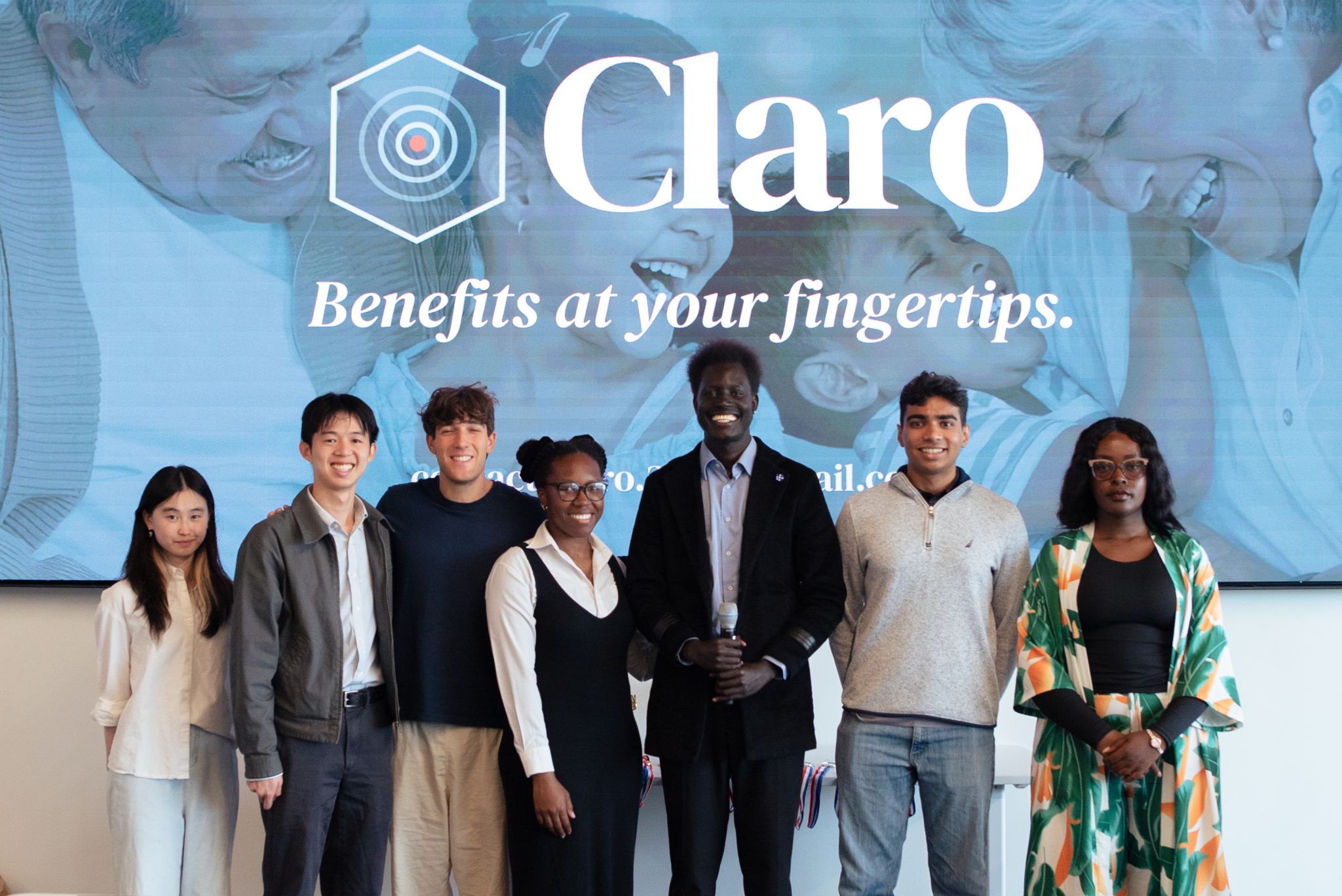
People often see the scholarships, the universities, and the projects, but they don't see what came before them. I competed against hundreds of students for my first scholarship. I spent years studying, solving problems on my own, and navigating life without having family nearby. From the age of fourteen, I was largely living independently. Whether it was high school, university, or traveling to different countries, I had to figure things out myself. Education became my support system. It became my passport. Whenever I faced challenges, I reminded myself that learning was the one thing nobody could take away from me.
Courtesy of Chuol

Has there ever been a moment when everything felt overwhelming and you genuinely wondered if you could keep going? What got you through it?
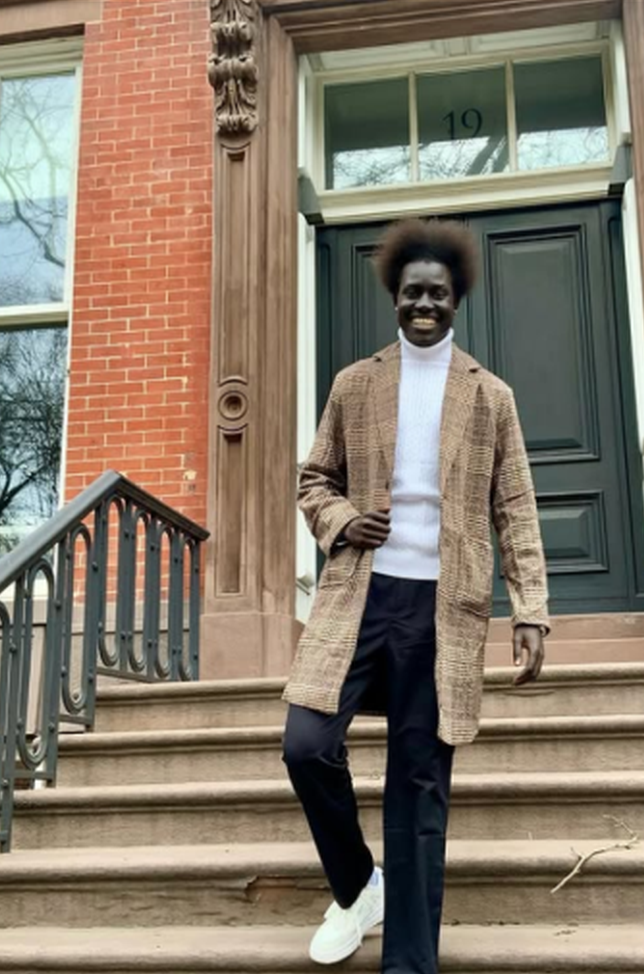
My undergraduate years were probably the hardest. I was studying while running my own programs and adapting to a completely new environment. I was surrounded by people from around the world, yet I didn't have anyone who shared my language or culture. There were nights when I barely slept because of assignments and projects. What kept me going was remembering why I started. I learned that life isn't always comfortable, but you grow by facing those uncomfortable moments rather than avoiding them.
Courtesy of Chuol

You're leading nonprofits, building AI products, conducting research, and earning a master's degree, all at the same time. How do you manage your time without burning out?
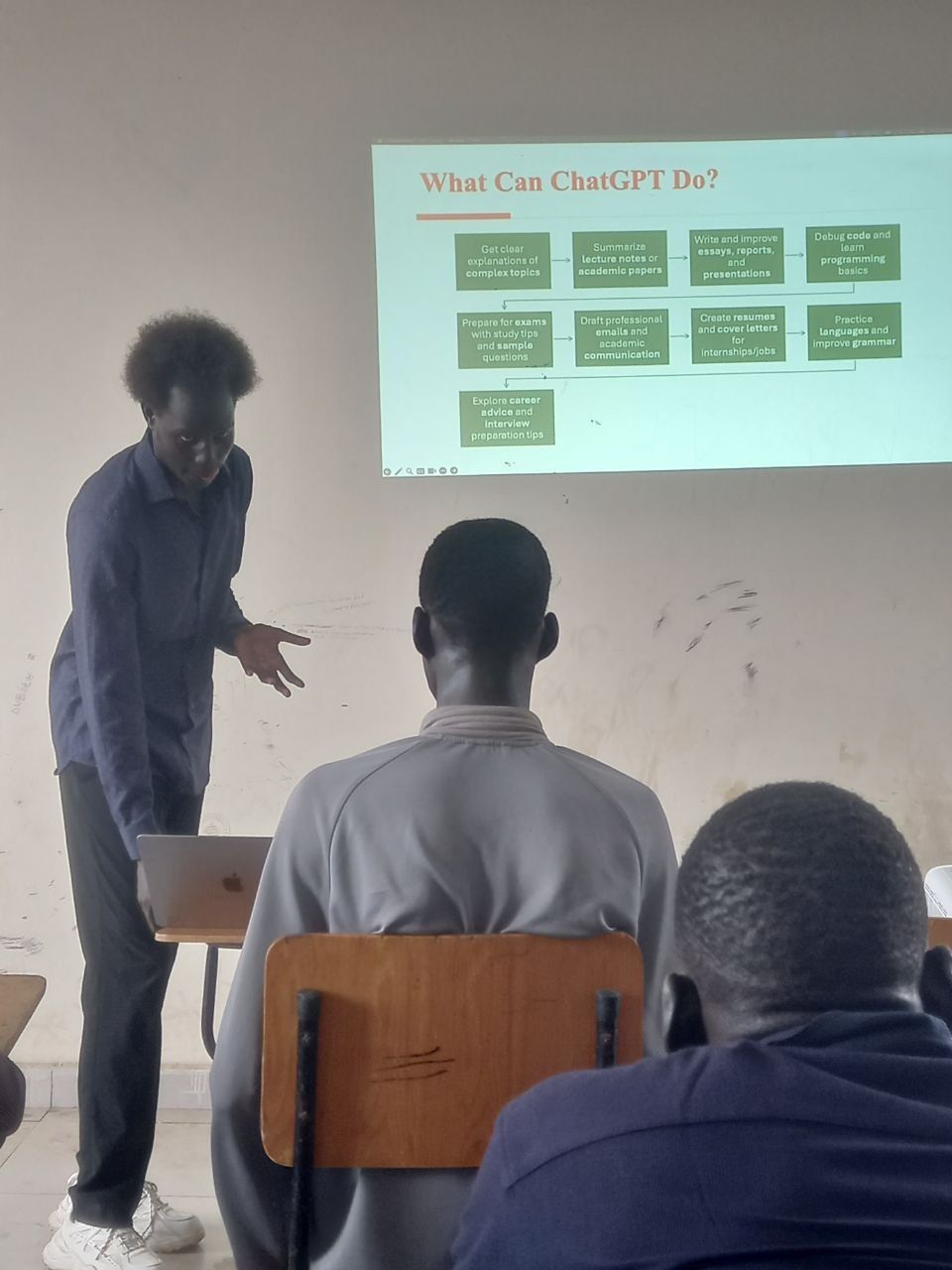
I definitely get tired, but I try to focus only on work that feels meaningful. The first question I ask myself before starting anything is, "Is this actually solving a real problem?" If the answer is yes, then it's worth my time. I also rely heavily on prioritization. I don't try to do everything at once. I focus on what's most important today, complete it, then move on to the next priority. Yes, it can be overwhelming, but having a clear sense of purpose makes it manageable.
Courtesy of Chuol

Every project you're working on seems connected by one mission: using technology to serve people. How did you discover that purpose?

It comes directly from where I grew up. Most of today's technology is built using Western data and designed for Western users. But who is building technology for communities in South Sudan, Ethiopia, or other parts of Africa? Who is creating AI that understands our languages, cultures, and realities? That realization shaped my mission. I don't want to build technology simply because it's exciting. I want to build practical tools that solve problems for communities that have been overlooked for far too long.

Your AI assistant, Jow, doesn't just help people stay productive, it reminds them to rest. Why was that important to include?
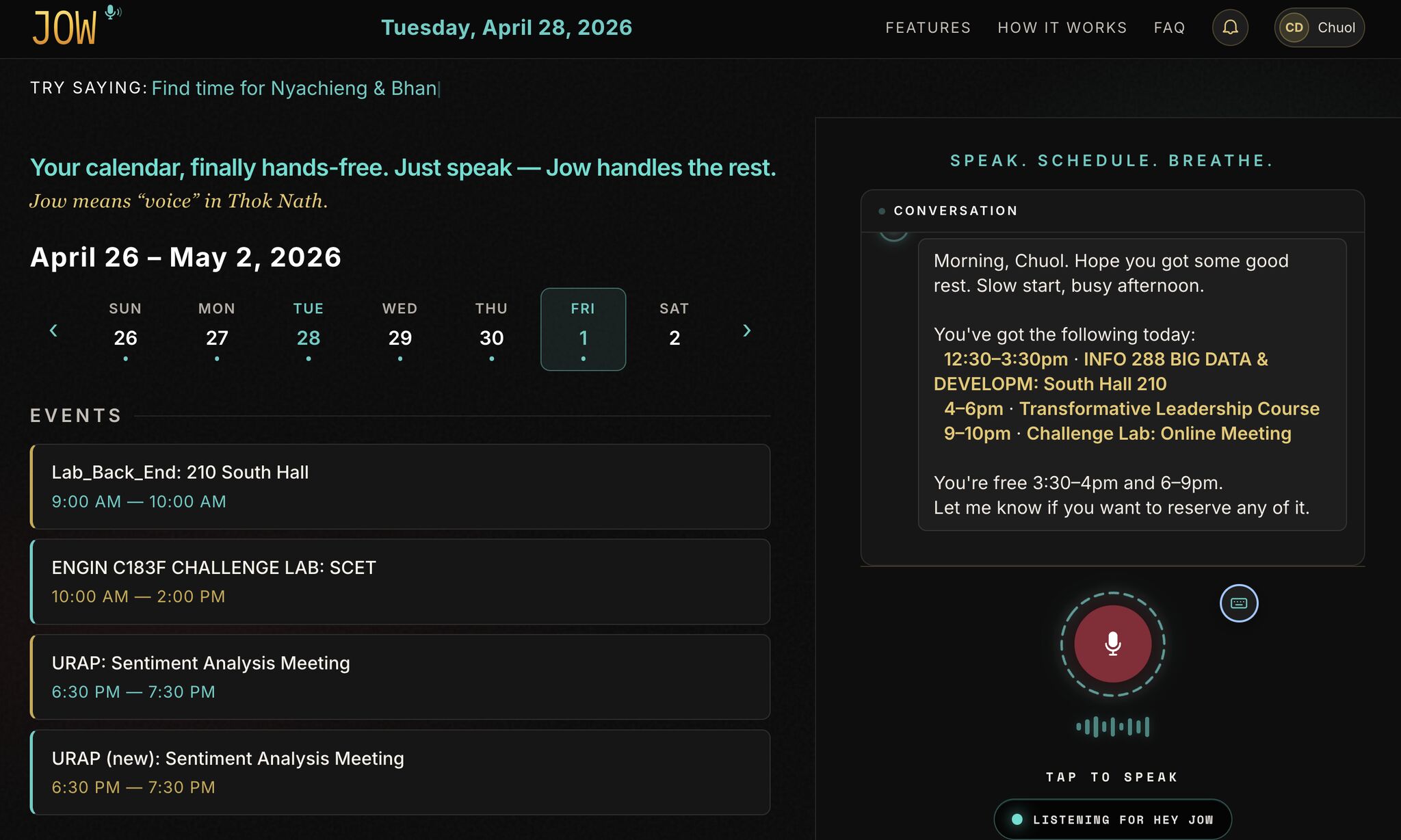
Jow actually started from my own experience as a student. My schedule was packed with classes, meetings, labs, research, and deadlines. Existing calendar tools helped organize events, but they didn't understand me as a person. I wanted to create something that felt more like a personal companion than just another scheduling app. If I've been working until one in the morning, Jow might remind me that I have a busy day tomorrow and encourage me to get some sleep. It understands my schedule and tries to support my well-being, not just my productivity. I believe that technology shouldn't only make us more efficient, it should also help us live healthier and more balanced lives.
Courtesy of Chuol

Every founder experiences self-doubt. What does yours sound like, and how do you keep moving forward?

Self-doubt is normal. Anyone who is self-aware experiences it. There are moments when I wonder whether a project will succeed or whether I'm making the right decision. But instead of letting those thoughts stop me, I make plans. I always have multiple paths forward. If one opportunity doesn't work out, I move to the next. Life is unpredictable, and you can't control every outcome, but you can control how prepared you are. In many ways, life is a series of calculated risks. You don't know which opportunity will succeed, so you keep planning, learning, and adapting.
Courtesy of Chuol

You're only in your twenties, yet you've founded organizations, built AI products, and studied at some of the world's top universities. Has there ever been a moment where you stopped and thought, "How did I get here?"
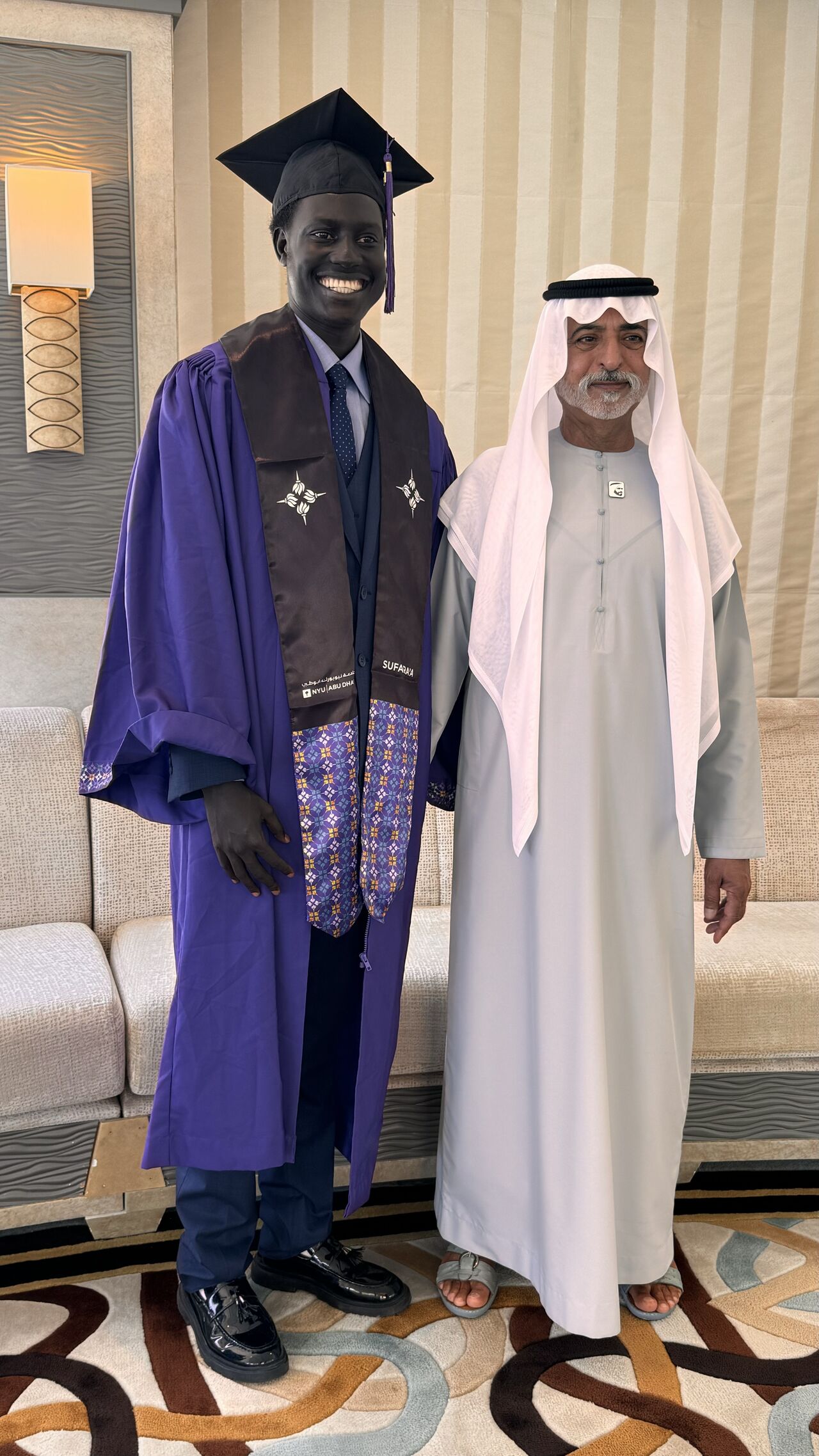
Many times. Sometimes I think about how someone from a small community with very limited resources ended up studying at institutions like NYU and Berkeley, traveling to countries I never imagined visiting, and working on ideas that might someday impact thousands of people. I don't think there's a simple formula for success. There are incredibly talented people who never receive the opportunities they deserve. I feel grateful for the opportunities I've been given, and I try to honor them by making the most of them. Rather than asking, "Why me?" I ask, "What can I do with the opportunities I've been given?"
Courtesy of Chuol

If we sat down again five years from now, what do you hope we'd be talking about?
I hope we'll be talking about real impact. I'd like to see my foundations helping more students, my AI projects serving more communities, and building schools in East Africa. My goal has never been to build technology for the sake of it but to create opportunities for people who’ve been overlooked. Ultimately, I hope the conversation isn't about my achievements. I hope it's about the people whose lives have been improved because of the work we've done. If that happens, then I'll know I've built something that truly mattered.
Courtesy of Chuol