The Ones to Watch

Rising names you'll hear everywhere soon.

Hannah Lee

Documentary Producer

·By: Mbaire
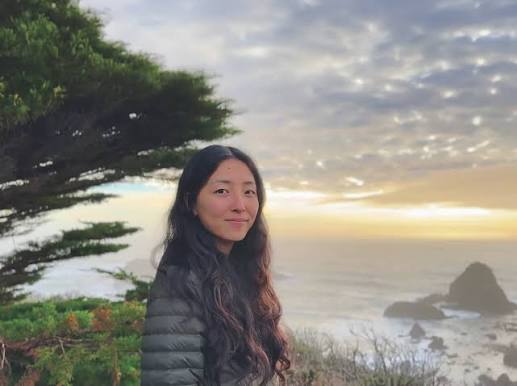
Hannah Lee

Courtesy of norcal public media

"What means even more than the Emmy is knowing another young woman might see me and think, ‘I can do that too."

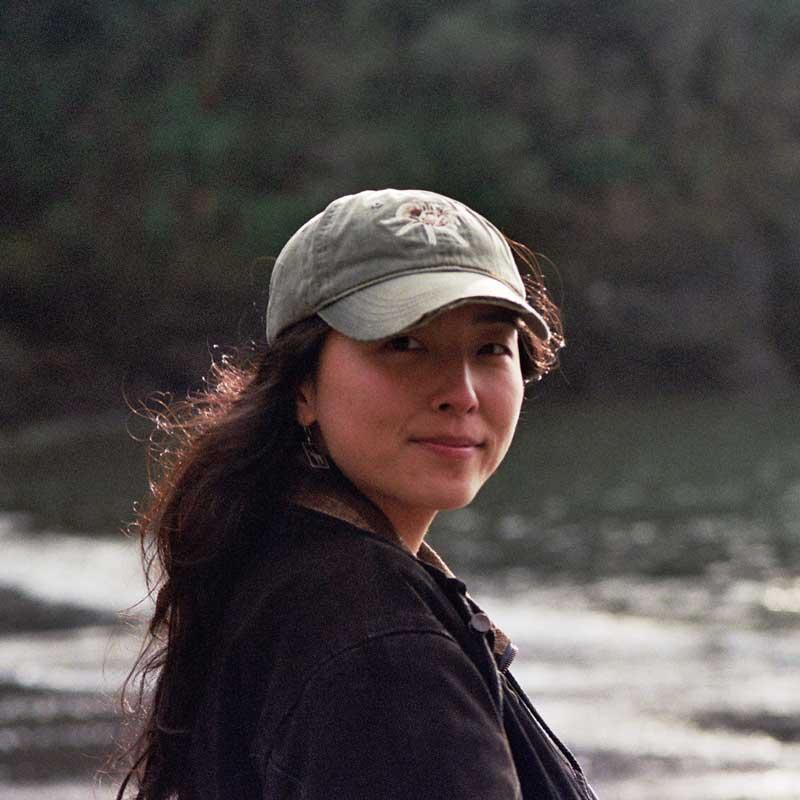
At just 25 years old, Hannah Lee is already an Emmy Award-winning producer helping audiences understand one of the most urgent issues of our time. Through NorCal Public Media’s Climate California, she has climbed hundreds of feet into redwood trees, stood in the middle of one of the country’s largest oil fields, and helped tell stories that connect climate change to the people experiencing its effects firsthand. But beyond the recognition, Hannah is a newlywed, and a young woman still learning to trust her voice. In this conversation, Lee reflects on the experiences that shaped her commitment to environmental storytelling, what winning an Emmy truly means to her, and why she is learning to speak her mind more loudly.

Who is Hannah Lee outside of work?

I’m a lover of the outdoors. I’m also an artist in some ways. I sing, write songs and poetry, and read a lot. I’m also shaped by my relationships. I’m a daughter, a sibling, and now a wife. I got married in April. My husband and I eloped at the Jenner Headlands Preserve in the pouring rain. After the ceremony, we immediately went on a 15-mile hike. We’ve known each other for about 12 or 13 years, so we really grew up together. Our shared love of the outdoors has always been an important part of our relationship.

What would people never guess about you from watching your work?
A lot of my work focuses on solutions and hope, so people might not realize that I’ve become a little cynical about climate change. I don’t think we should give up. It’s actually the opposite. But I do think our window to reverse the damage we’ve caused is extremely narrow, if not already closed in some ways. To me, that means the work is more urgent than ever. People also might not know how intentional I am about being an open book. As a storyteller, I believe in transparency. I don’t have all the answers, and being honest about that creates a real conversation with the audience.
Courtesy Of: Charles Loi

When did environmental issues become personal to you?

Toward the end of high school, I started understanding what climate change actually meant for people. I already knew the basic science, but I didn’t understand how deeply climate change is connected to inequality and social justice. The people who contributed the least to the crisis are often the ones affected first and most severely. I remember going home and asking my dad, “Did you know about all of this?” I assumed people weren’t acting because they didn’t know. But he did know. That made me wonder: If people understand what is happening, why aren’t we doing more? Answering that question will probably be my life’s work.

Which environmental story has stayed with you the most?
Meeting César Aguirre while filming the first episode of Climate California. He is an activist in Bakersfield fighting to protect his community from the health and social effects of living near one of the country’s largest oil fields. His work is dangerous, but he remains committed to holding powerful institutions accountable. Standing in the Kern River Oil Field also changed me. I was surrounded by thousands of oil derricks. It felt apocalyptic. I grew up in California, but that was not the California I knew. I remember thinking, “I’m standing at the heart of one of the root causes of climate change.”
Courtesy of norcal public media

What inspired Climate California?

NorCal Public Media wanted to create a documentary series exploring climate issues across the state. When I joined the project, my dream was literally to make climate documentaries, so it felt like the perfect opportunity. Our goal was to make a climate show for people who wouldn’t normally watch a climate show. We wanted it to feel accessible, engaging, and human. A lot of climate coverage is frightening or shame-based. It makes individuals feel responsible because they drive, fly, or use plastic. We wanted to move beyond blame and give people a sense of hope, agency, and possibility.

What did the project teach you about yourself?

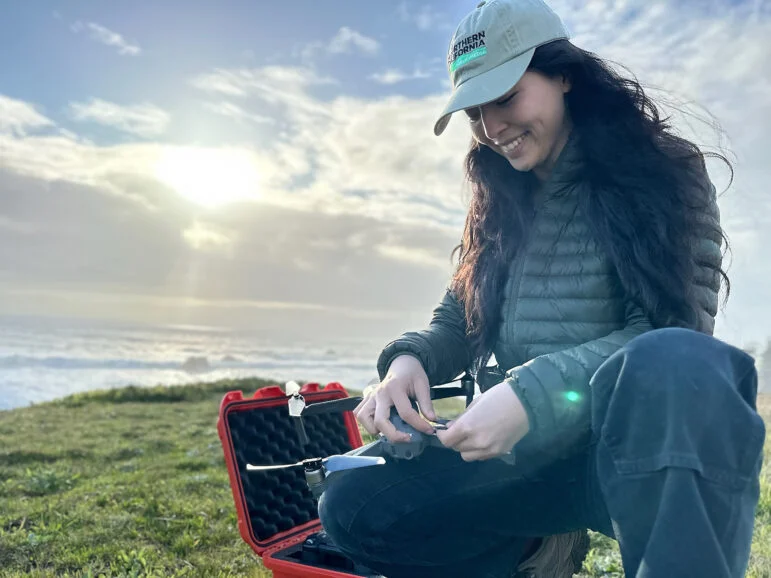
It taught me that I’m a supporter and an uplifter. I love helping other people tell their stories and empowering them to act. It also showed me how capable I am. When you’re dangling 250 feet above the ground in a redwood tree with a camera in one hand and a microphone in the other, you learn a lot about yourself. I gained confidence from working in unpredictable situations and realizing I could stay calm, support my team, and keep the production moving.

Did you ever imagine the series would win an Emmy?
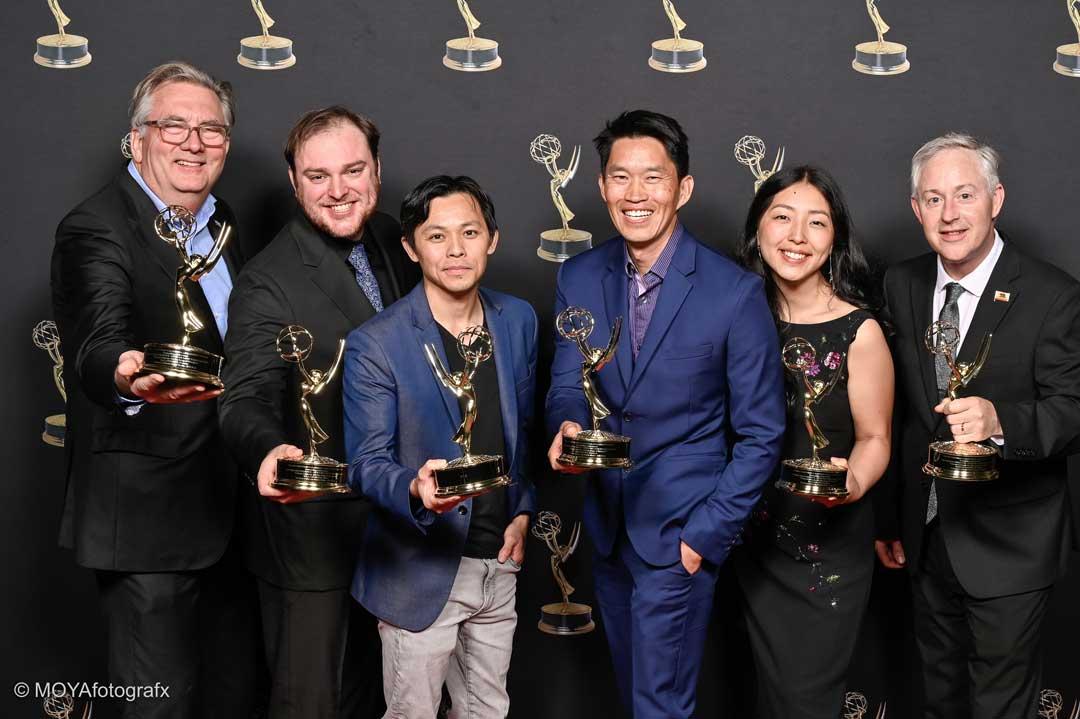
Maybe. Our director, Charles Loi, is incredibly ambitious, so we always knew we wanted the series to reach and affect a lot of people. But awards were never the final goal. Did I specifically imagine holding an Emmy while dangling from a redwood tree? Probably not.
Courtesy of Northern California Public Media

What was going through your mind when you won?

I had attended the Emmys before and left without winning. You get dressed up, feel hopeful, and then it can be a little disappointing when your name isn’t called. So when we won, I thought, “The Emmys are so much more fun when you win!” I immediately told my mom “We did it!”

What does winning an Emmy mean to you personally?
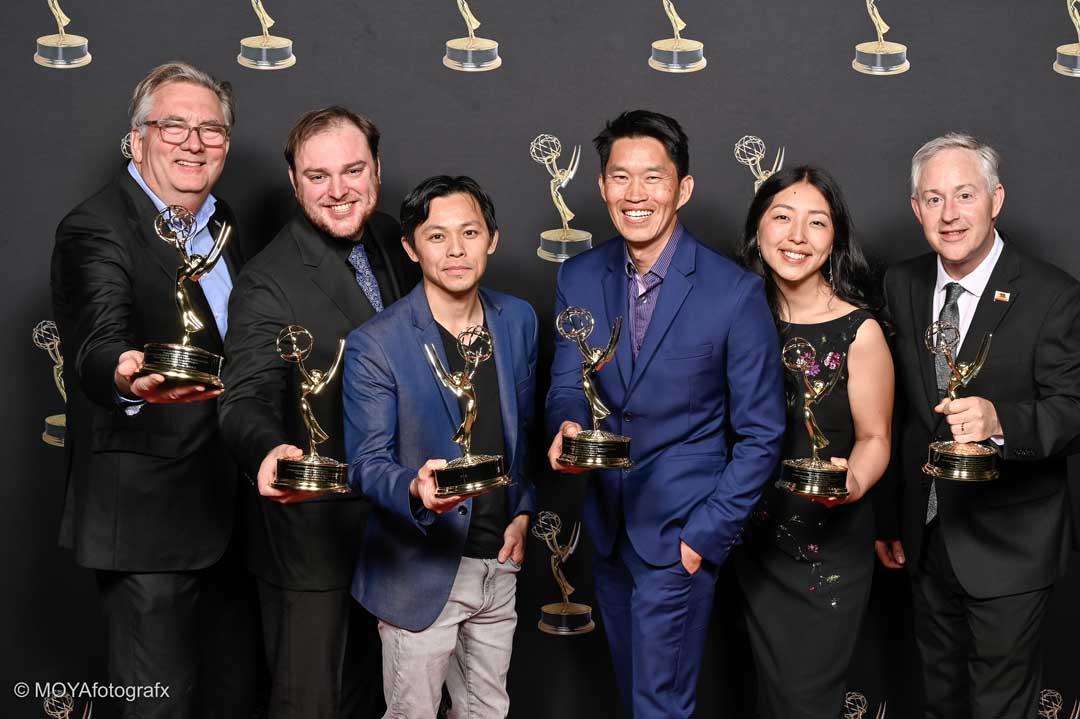
It means a lot because NorCal Public Media took a chance on me. I was only a few years out of college when they trusted me with a full-time producer role. But the Emmy isn’t the goal. We do this work to touch people’s hearts and minds, share truthful information, and create thoughtful conversations. What means even more is knowing that another young woman might see me and think, “I can do that too.” Film and television have historically been dominated by white men. I’m sometimes the only woman on a shoot or in my department. That makes me feel like I have to work a little harder to prove myself. I also recognize the women, especially women of color, who created opportunities for young women like me to enter this industry and be respected.
Courtesy of Northern California Public Media

Looking back, what would you change?

I would speak my mind more. I learned that healthy disagreement can make a project stronger. If I could do it again, I would express my opinions more confidently and trust that the people around me would respect them. It’s easy to shrink yourself or censor your thoughts. Sometimes the loudest voices are the ones that get heard. I’m learning that what I have to say matters too.

What keeps you grounded when the work becomes overwhelming?

My friends, family, and community. I have people I can turn to when I’m struggling and don’t know how to work through something. My husband also keeps me grounded. He’s a firefighter, so his work truly involves life-or-death situations. Sometimes I come home thinking a deadline is the end of the world, and then he tells me about his day. It reminds me that my work matters, but the deadline isn’t actually life or death. He also brings me so much joy. I laugh more with him than with anyone else.

Who do you hope Hannah Lee becomes?
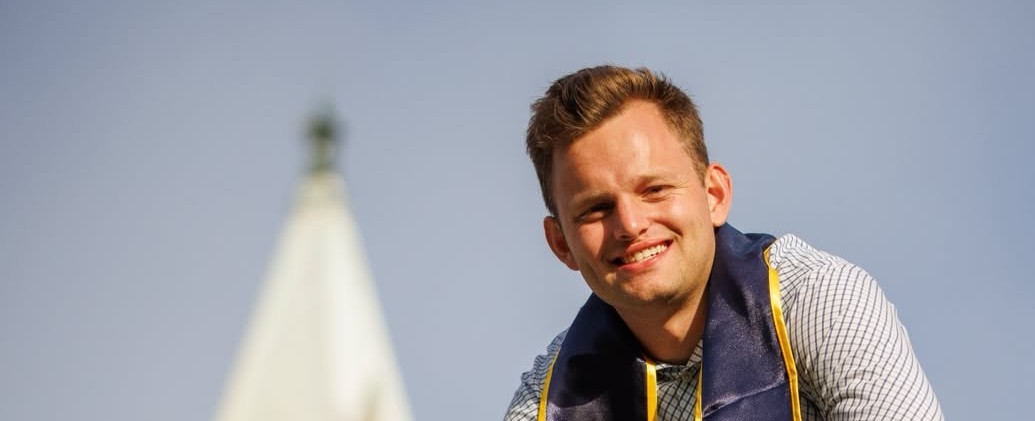
I’m 25, so I’m still learning everything about myself. I’m constantly learning, relearning, and unlearning. I never want to become someone who stops changing or growing. Right now, I’m developing a new digital series about foraging in the Bay Area. I became interested in mushroom foraging and eventually started wondering, “What else can I eat in the woods?” I’m excited to explore how environmental education and truthful storytelling can thrive online. I’m over the moon about the project. I’m still finding my path, but I hope I never lose my willingness to grow.
Courtesy of Hannah Lee