The Ones to Watch

Rising names you'll hear everywhere soon.

Lillie Vehling

Water Polo Player at UC Davis

·By: Mbaire
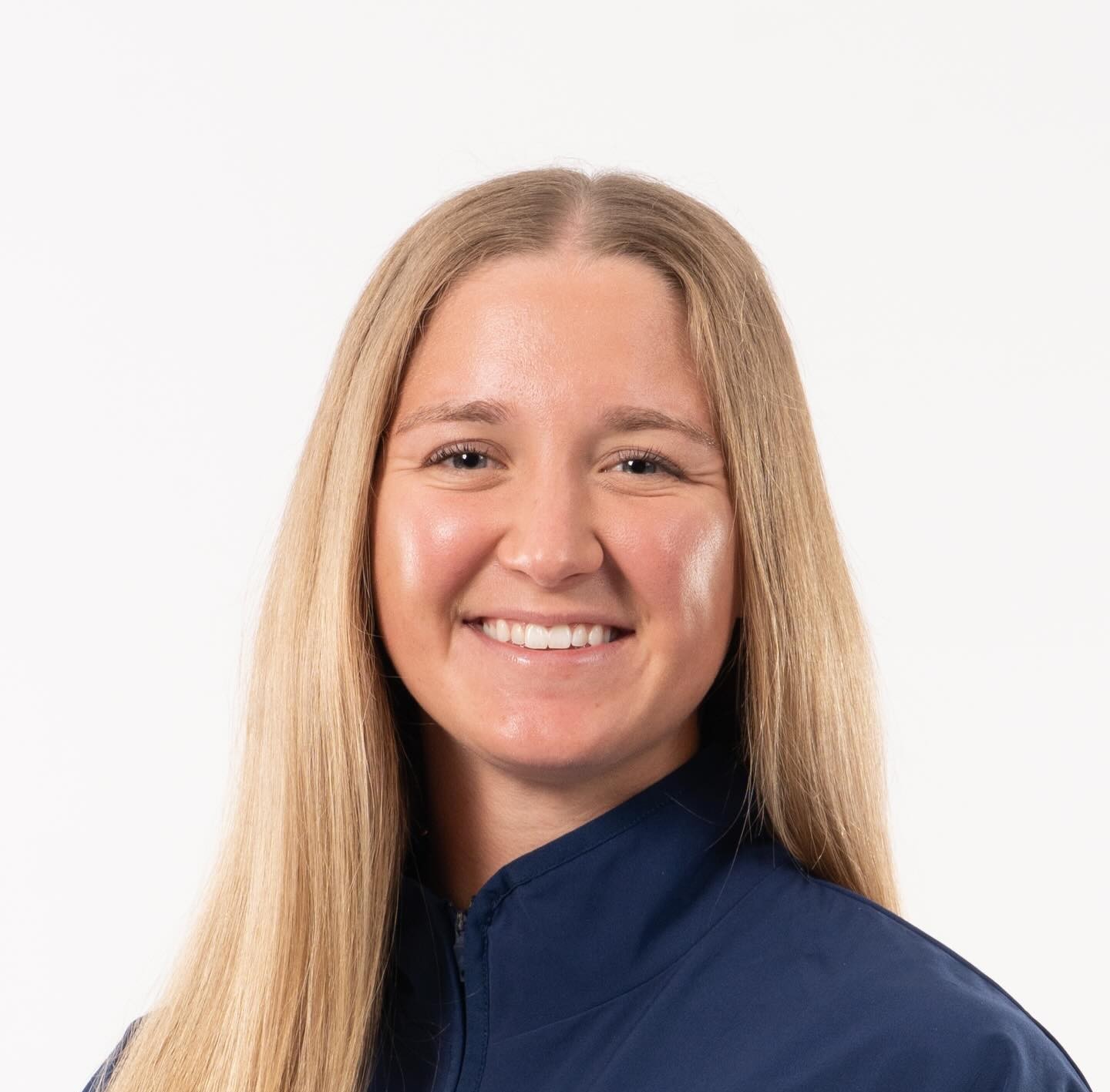
Lillie Vehling

Courtesy of Lillie Vehling

"If you have the strength, use it to help other people."

What began as a solo trip to watch the Blue Angels at Seattle’s Seafair became a moment Lillie Vehling could never have anticipated. The UC Davis water polo player and mechanical and aerospace engineering student spotted three girls drowning in Lake Washington and jumped in to save them. In the process, a skill she had once spent three years struggling to learn became one of the skills that helped her keep them alive. But Lillie’s story is about more than one extraordinary act, it’s also about repetition, instinct, service, and the quiet work that prepares us for moments we never see coming.

Before we talk about what happened at Lake Washington, who is Lillie Vehling outside of water polo and everything people have recently read about you?
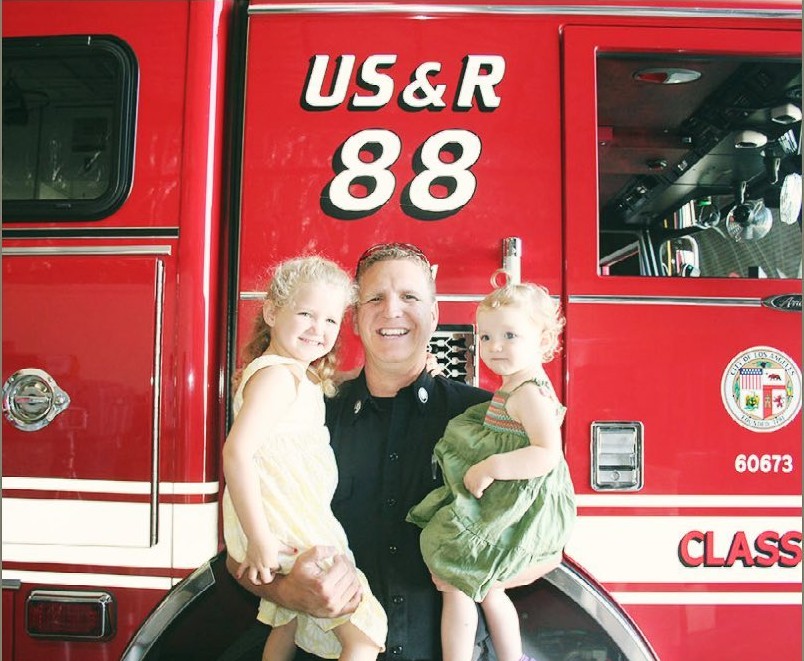
I like to say I’m just a hard worker. I’m always determined to be better, and I’d rather be busy than bored. I love pursuing different interests and learning new things, not just to make myself better, but so I can solve more problems and help more people. A lot of that comes from my dad. He was injured in the line of duty as a firefighter and suffered a severe spinal cord injury. He came home in a wheelchair, and from the time I was about four until I was ten, that was a big part of my childhood. Seeing that changed my perspective, it taught me to maximize the time you have while you’re able to do things. Also, my dad instilled in me a passion for service, if you have the strength, use it to help other people. That’s something I try to carry with me every day.
Courtesy of the Fire Family Ladder Program

What first drew you to water polo, and what made you fall in love with it?
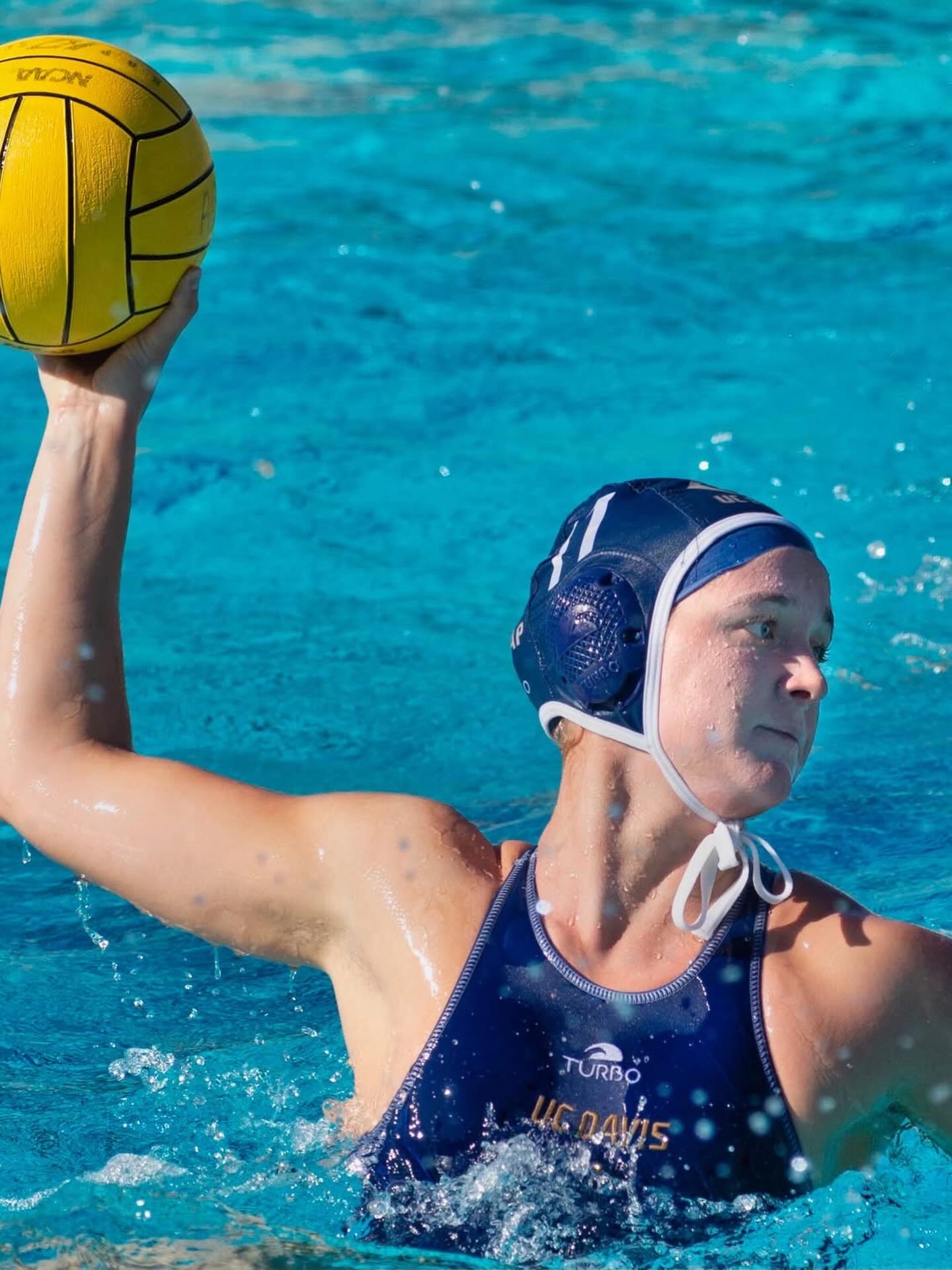
Honestly, I think it was because I was bad at it. I grew up playing sports, especially soccer. When I was about 11, one of my teammate’s sisters played water polo, and I ended up at the pool because of a carpool. I got in, and I could barely swim properly, but I loved it. I could swim underwater, but technique was not my thing. Even swimming across the pool was difficult, and I was terrible at the eggbeater. It took me three years to master it, but I loved the challenge. Every practice, I could see these tiny improvements, seeing that progress made me want to keep coming back.
Courtesy of Lillie Vehling

You’ve talked about how it took you three years to master the eggbeater, what kept you from giving up, and what finally helped it click?
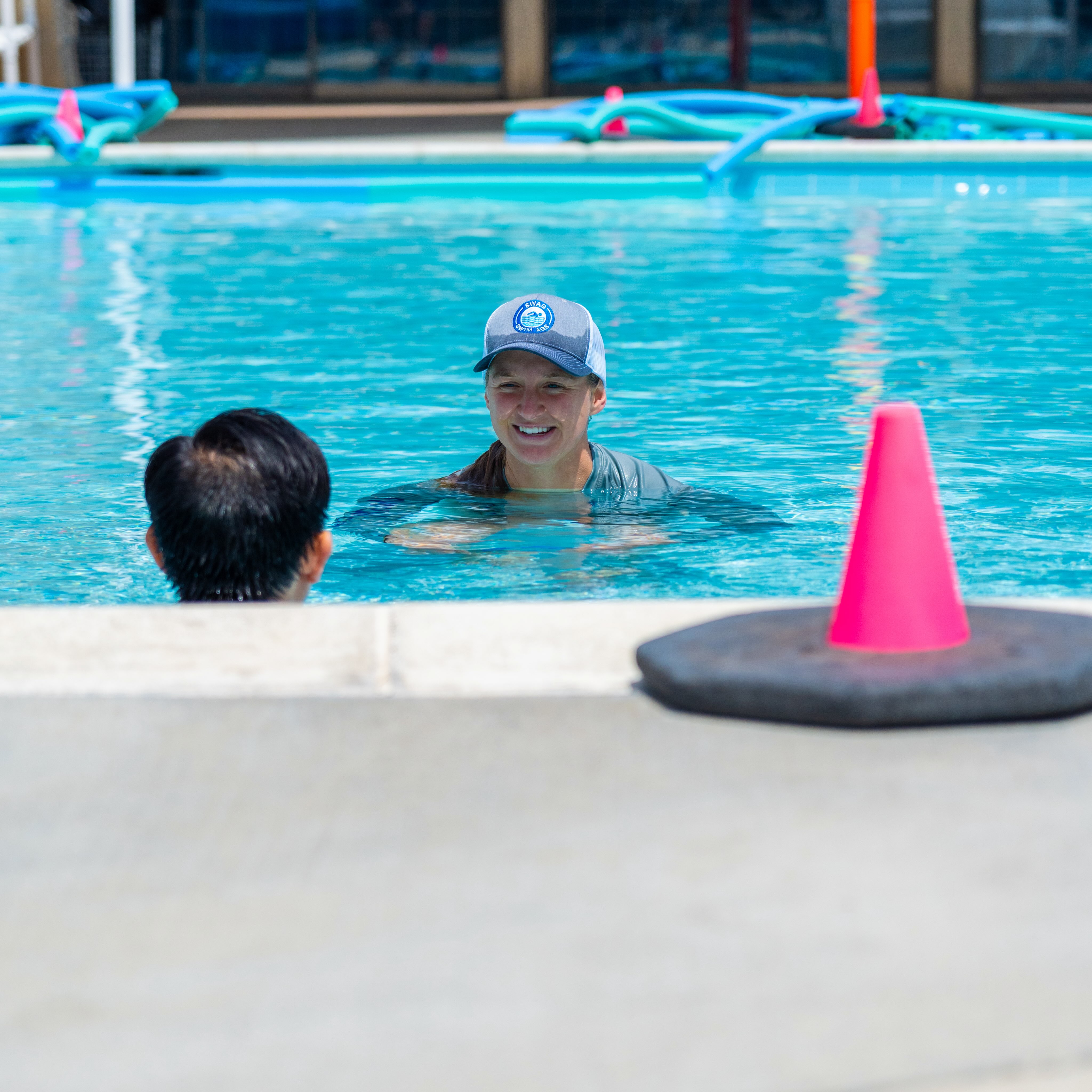
It was repetition. The eggbeater is almost like sitting in a chair and drawing circles with your feet. Since I’m an engineer, I think about it from an engineering perspective, you’re essentially using torque to push yourself up by pushing the water down. For the longest time, I just could not do it, my teammates and coaches invested a lot of time in me, and I practiced the technique outside the pool too. Eventually, after so many repetitions, it clicked. What kept me going was that I’ve always loved being challenged. When I’m stumped by a problem, that means there’s something I can learn. And what’s crazy is that years later, everything came full circle at Lake Washington. The eggbeater became one of the main skills I used because I didn’t have a flotation device. I had to keep myself up while helping the girls. When I think about what could have happened if I had given up during that second or third year, it could have been a very different story.
Courtesy of Lillie Vehling

Take me back to Lake Washington, what made you realize the girls were in trouble?
I was in Seattle for an internship and had arrived knowing no one, so the summer had become an adventure of trying things on my own. When I heard the Blue Angels were coming, I knew I had to go. I study aerospace engineering, and I love the intersection of service and technology they represent. I got to the park, set up my chair, and was reading. I looked over my book and saw three girls near a buoy, bobbing up and down. I knew it was serious when I saw one girl pushing the other two down just to get her own breath. I stood up and looked around almost to make sure I wasn’t imagining it. Then I realized they were really in trouble and that’s when my instinct kicked in. I kicked off my shoes, got into the lake, and swam toward them.
Courtesy of Lillie Vehling

Do you remember deciding to jump in, or did your instincts take over?

Honestly it was just go! I didn’t make a pros-and-cons list. I didn’t think about myself. My body just moved and followed my previous training. I knew that people could drown trying to save someone else, but in that moment, it was less thinking and more action. Those girls were in dire need of help, and I wasn’t going to wait for them to go under the water before trying to save them.

Once you reached them, how did you stay focused with three girls depending on you?

My body was just moving, there are very few thoughts I remember because my adrenaline was so high. I first went for the girl who was furthest away because she was pulling the other two down trying to breathe. I grabbed her using my lifeguard training and used the eggbeater to keep us up while bringing her toward shore. Then I immediately turned around and went back for the others. The third girl was in the worst condition. By the time I reached her, only the top of her head was above water, and she wasn’t responding to me. Her hair, arms, and neck had become tangled in the buoy rope, so I had to keep us both above water while trying to free her. Once I finally got the rope off, I started bringing her back to shore. On the way, she began coughing up water. It was such a relief because I knew she was breathing. Eventually, the paramedics arrived and took over.

Do you think water polo trained your mind to respond differently to fear and pressure?
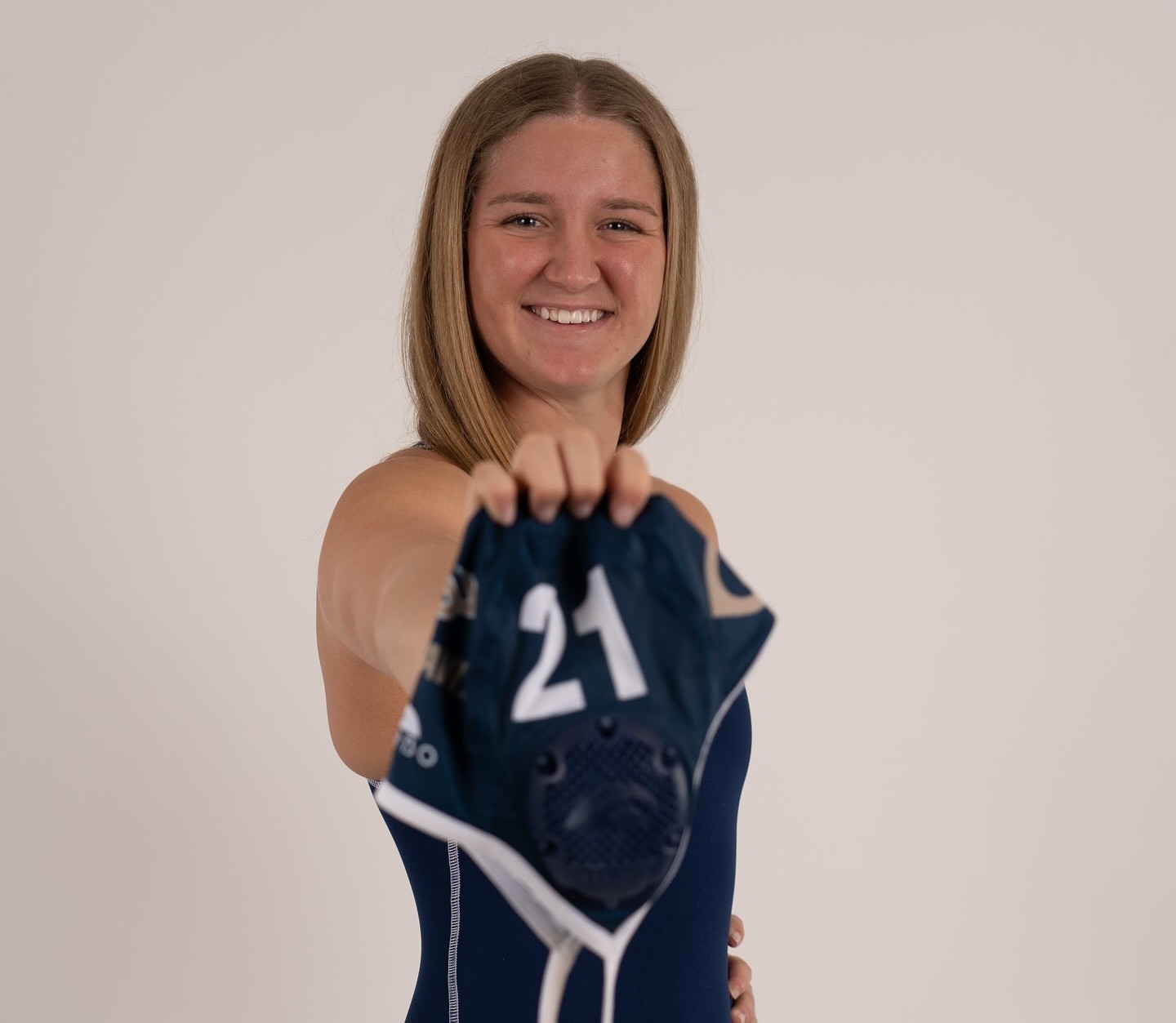
Absolutely. When I started water polo, I wasn’t very good, and during games, people would basically drown me. You have to learn to protect yourself and build confidence through years of tough games and opponents. Even in college, there are moments when I feel like I’m going to drown playing against someone. It's a constant battle in the water. That experience gave me the ability not only to keep myself safe, but to help someone else and I’m incredibly grateful for that. Before this happened, I didn’t know those skills could serve me in this way.
Courtesy of Lillie Vehling

When did the reality of what you had done finally hit you?
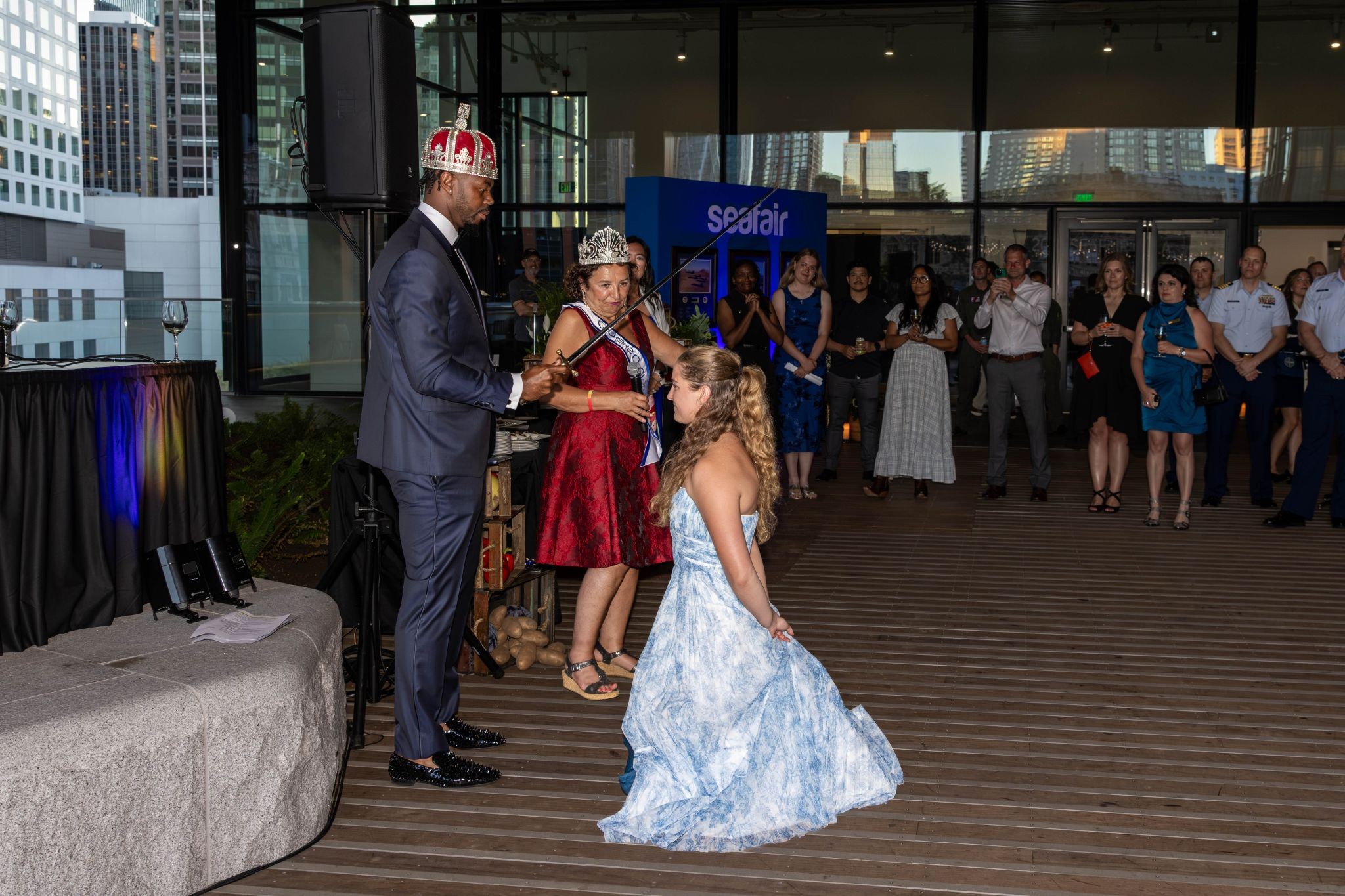
The whole weekend was a whirlwind. After the rescue, I talked to the firefighters and paramedics and then went back to my chair because I had come to watch the show. I was sitting there alone when Emily Cantrell, the CEO of Seafair, tapped me on the shoulder and asked if I was okay and if she could give me a hug. That hug allowed me to take a breath. She then invited me to the Seafair Gala that evening, where I was named the “Lady Guardian of Lake Washington.” Honestly, the whole thing felt surreal. But the reality of it all really hit me on Sunday when I was on a boat in the middle of Lake Washington watching the Blue Angels, surrounded by people I had only met in the previous 72 hours. Everything came together, and I shed a tear because I was so overwhelmed. Then I went to work at 6 a.m. the next morning and had an exam that week. Everything had changed, and yet nothing had changed.
Courtesy of Lillie Vehling

You and your friend Sadie Henry started SWAG (Swim AGS) before the rescue. What inspired it, and has the rescue changed how you see that work?
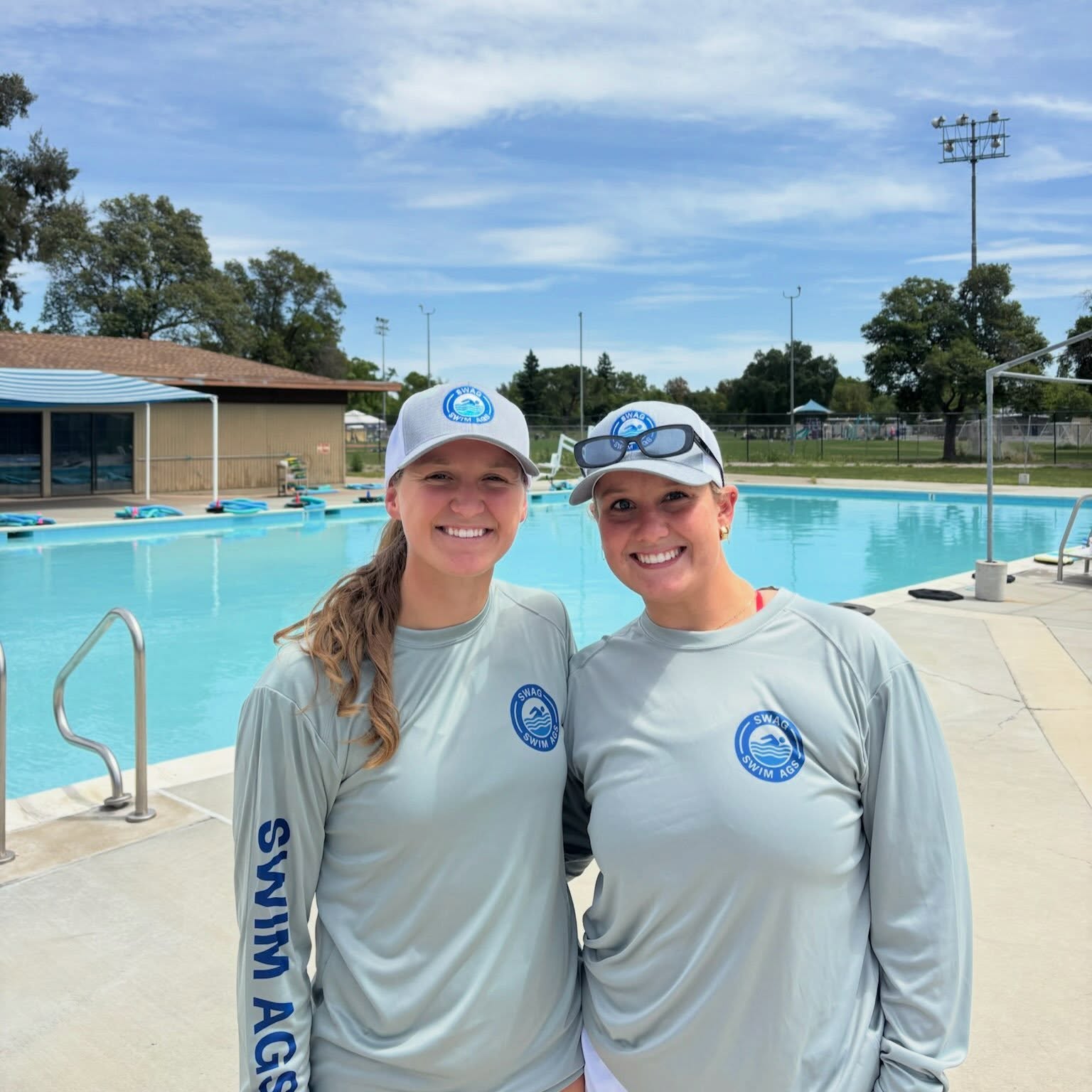
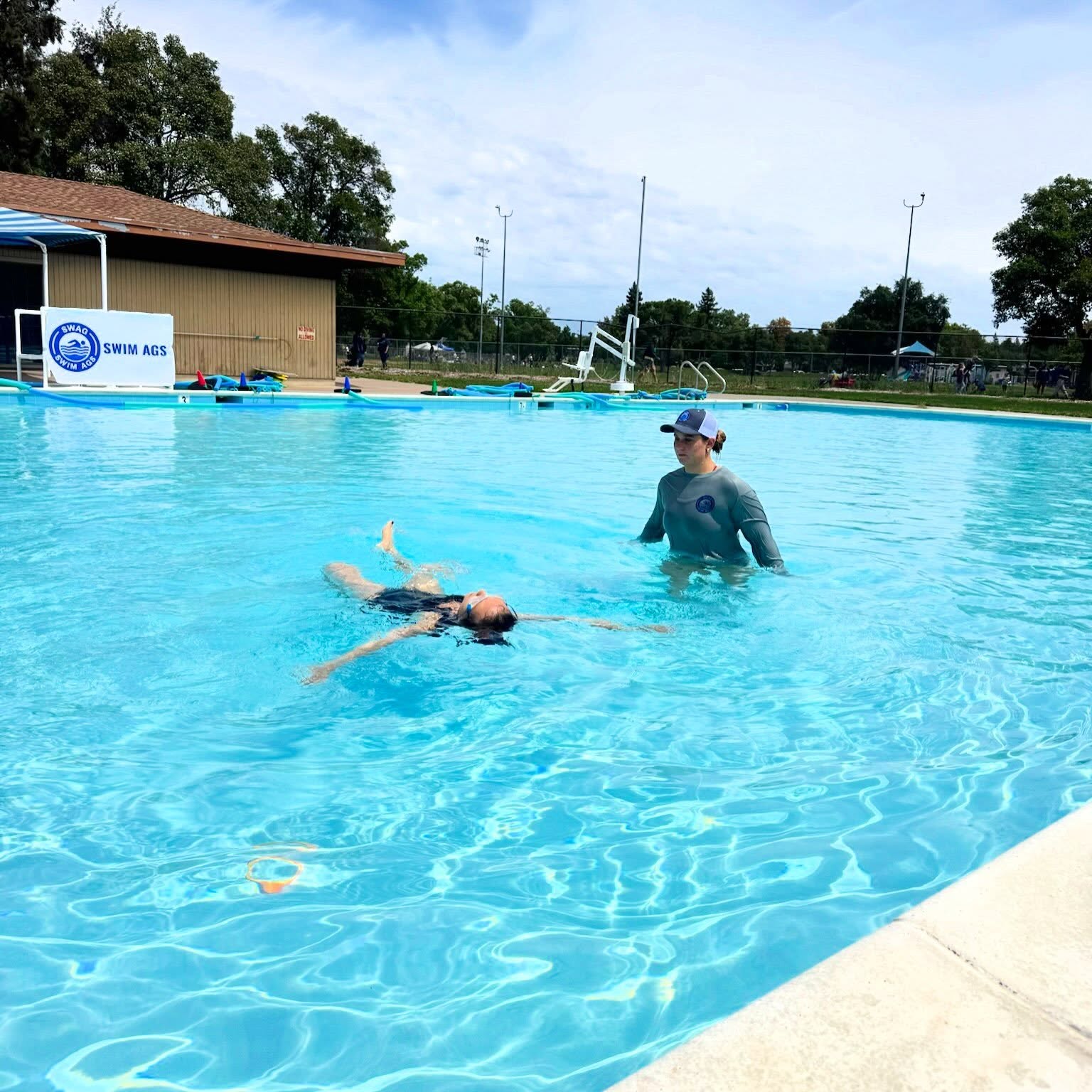
We realized that being comfortable in the water is something we almost take for granted because we’ve spent so much of our lives swimming. But that’s not the case for everyone. At UC Davis, you meet people from so many different backgrounds, and some of them simply never had the opportunity to learn how to swim. That’s really where SWAG came from. We wanted to create that opportunity, especially for adults who didn’t get it as kids. One of my favorite things is watching someone put their face in the water or float for the first time. You can literally see that moment when they realize, “Wait, I can do this.” It’s not just about learning to swim; you see their confidence change too. After what happened at Lake Washington, I think that mission means even more to me. One thing that really surprised me was how few people recognized that the girls were drowning. And I don’t think the answer is for everyone to jump into the water, because that can put you in danger too. It’s about knowing what drowning actually looks like and knowing how to help safely. That’s something we want to bring more into SWAG, and the rescue has made me want to invest in SWAG even more and grow it beyond what we originally imagined.
Courtesy of Lillie Vehling

How are water polo and engineering shaping the way you approach problems?
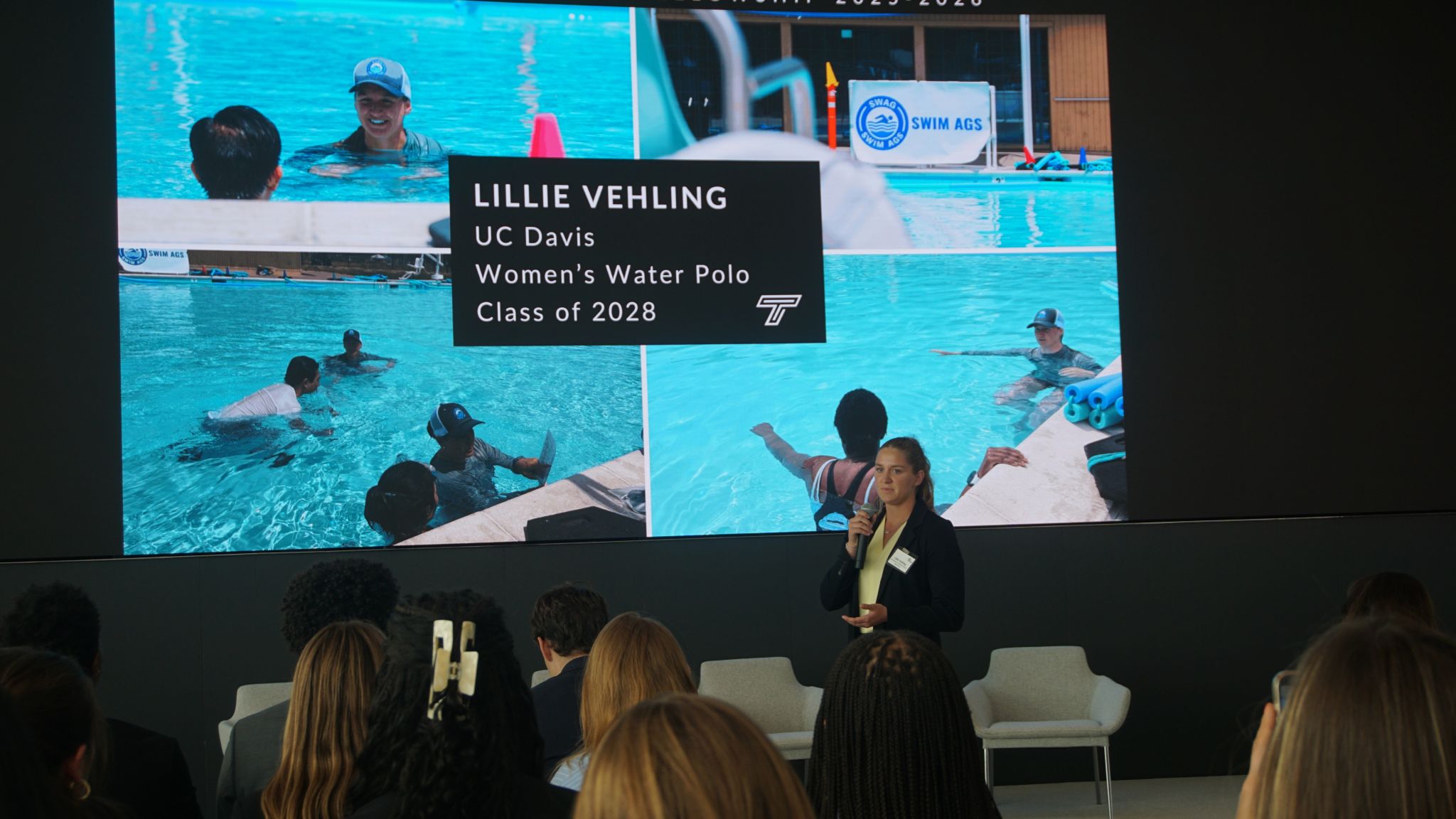
Both are about being challenged and learning. Engineering teaches me to solve real-world problems and think critically while Water polo teaches me to act under pressure. If you have the ball and someone is coming to defend you, you have to make a decision quickly. I like putting myself in situations where I’m challenged because every decision you make under pressure helps make the next decision better.
Courtesy of Lillie Vehling

After everything that happened, what did you learn about yourself?

To trust myself. I tend to want to know everything about a situation before making a decision, I overanalyze sometimes, you can even ask my teammates, but this showed me that I can make quick and impactful decisions. Sometimes it’s better to just go than to analyze everything. At that moment, I followed my gut, and I surprised myself.

Years from now, what do you hope this experience will have taught you about the person you want to become?
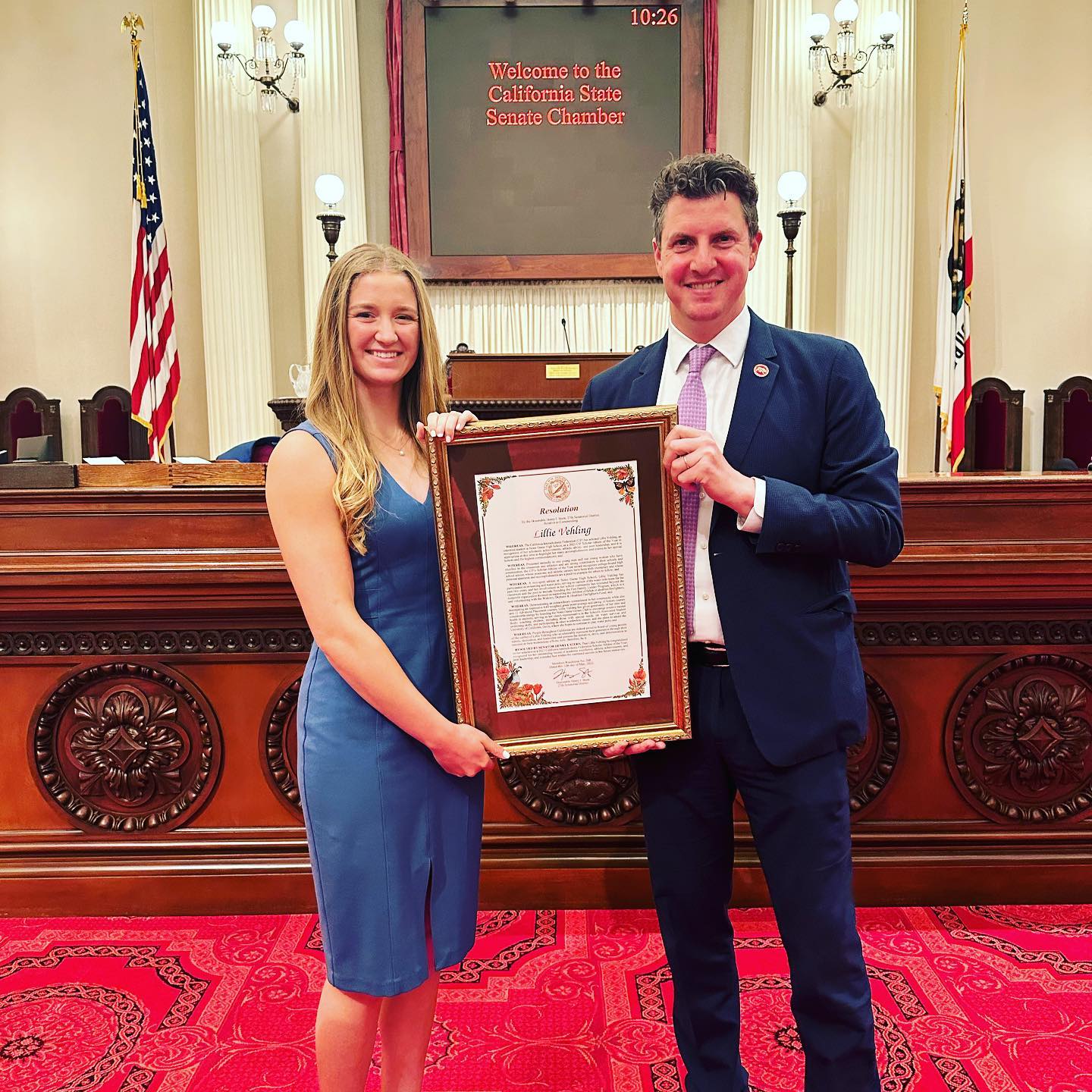

I think it’s a reminder that everything I’m doing is working toward something, even when I can’t see it at the moment. I put a lot of work into the things I care about, and sometimes there’s no recognition for it, though I’ve also realized that I don’t really need the recognition, I genuinely enjoy helping people and the process of getting better. Sometimes that means studying instead of going out with friends, or putting extra time into SWAG. Those little decisions may not seem important at the time, but they’re helping me become the person I want to be. For me, it’s really about continuing to learn, continuing to build those skills, and hopefully becoming someone who can use them to make an impact.
Courtesy of Fire Family Ladder Program