Inside the Mind of

Deep dives into how remarkable people think.

Arhaan Aggarwal

·By: By Mbaire
Arhaan Aggarwal

Photo Courtesy of Arhaan Aggarwal

Most students spend four years trying to survive one major. Arhaan Aggarwal spent his thriving in six. The 22 year old UC Berkeley student walked onto campus planning to study Business and Computer Science, then decided that wasn't enough. Somewhere along the way, the plan got bigger. Then bigger again. Six majors later, with a five million dollar seed round underway, Arhaan isn't chasing a degree. He's building a foundation for something much larger than a degree.

Before we talk about six majors, who is Arhaan Aggarwal beyond academics

Biggest nerd you'll ever meet, and I own that fully. I have my obsessions and I go deep on them. Technology is usually where I spiral, but overall I'm a really fun person and I make it a priority to actually enjoy life. People would be surprised by that.

People know you as the student but what do you wish they understood about you?
That studying is honestly the thing I do the least. People have this image of me hunched over textbooks 24/7 and it couldn't be further from the truth. I love going to concerts, raving, teaching. I wear a lot of hats. I'm also an entrepreneur actively raising a five million dollar seed round right now. So the idea that Arhaan only studies? Completely off.
Photo Courtesy of Arhaan Aggarwal

If academics is the least of your focus, how did you actually pull off six majors?

You reach a certain level of maturity in your subjects where the depth of understanding you wanted starts to click, and at some point the subjects stop being the point. They were always just tools to get to a bigger goal. Once I got there, I shifted my energy toward that bigger thing. The majors were never the destination.

In your LinkedIn post you mention, "The work doesn't get easier. You just get better." Where does that belief come from?

I watched it happen in real time. Freshman year I took 26 units and it was brutal. Then I dropped out to chase my startup, came back to school, took even more units, and it still didn't get easier. It actually got harder. But I had gotten better at handling it. That cycle kept repeating and eventually I just accepted it as fact: the work doesn't ease up, but you level up.
Photo Courtesy of Arhaan Aggarwal

Most people instinctively run from discomfort. You seem to sprint toward it. What draws you to being challenged?

If I'm not challenged, I get extremely bored, and bored me is genuinely not good for anyone. At Berkeley I took eight graduate classes. For a master's degree you typically take four. I did it because I loved the discomfort of being in those rooms. I was by far the dumbest person in every single one of them, and that forced me to raise my standards just to be able to contribute. That feeling is addictive.

You mentioned that one of your lighter semesters was actually your least productive. Why does your mind thrive under pressure?

Honestly, I don't think that's unique to me at all. It's pretty evolutionary. We all perform better under pressure. A comfort zone is called that for a reason: you're not growing in it. The thing that stops most people is those first few minutes of discomfort. It's like an ice bath. The first two minutes are absolutely the worst part, but if you push through them it gets better. I've just been in those two minutes enough times to know I'll make it through.
Photo Courtesy of Arhaan Aggarwal

During those 30 plus unit semesters, what did the hardest days actually look like mentally?
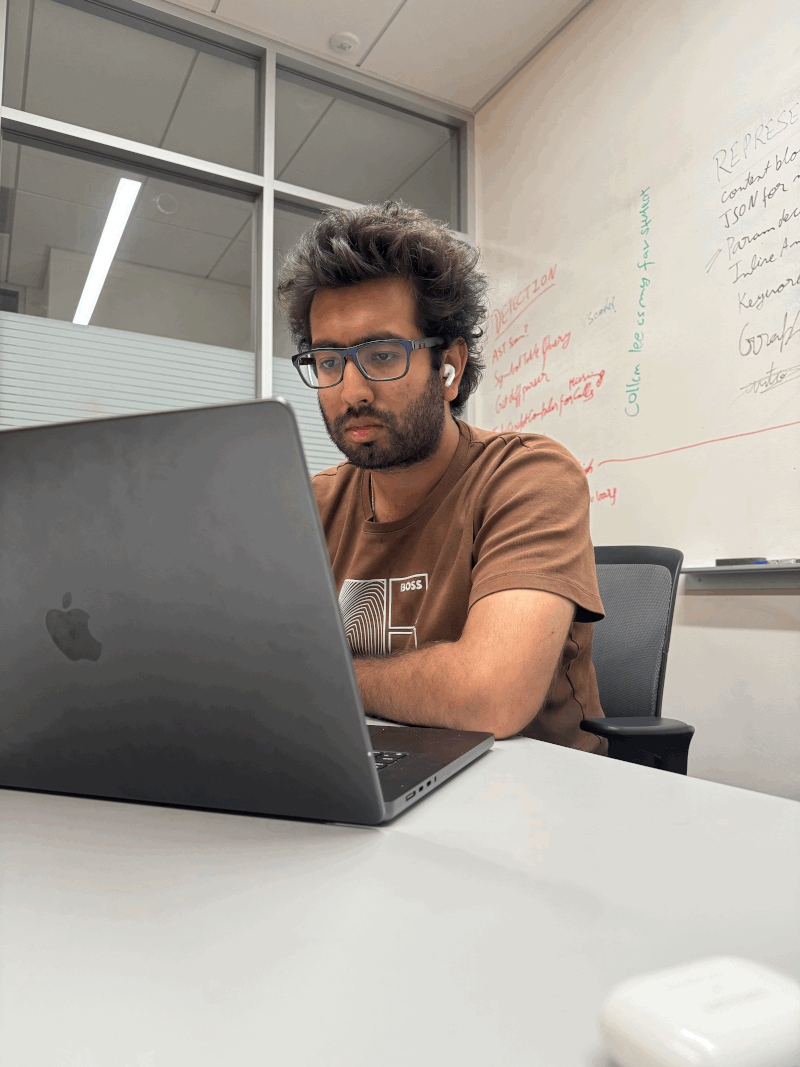
I don't want to mislead anyone into thinking I had it all figured out. I was struggling. The hard weeks were when everything piled up at once and there was nowhere to breathe. But I got lucky at 18. I met someone who told me something that completely changed how I operated: the brain of an engineer is hardwired to procrastinate. That flipped a switch for me. I realized procrastination is actually my superpower. It lets me do hard things in a very short window of time. So I lean into it, go all the way to the last minute, and when it's time to move I am completely locked in. That mindset freed up so much space for everything else I had going on.
Photo Courtesy of Arhaan Aggarwal

How do you know when you're growing versus when you're just chasing more?

I think there's always growth, even in the chase. People have this idea that wanting more is somehow wrong, and I genuinely don't get it. I've studied the greats: Michael Jordan, Zuckerberg, Michael Jackson, Kobe and the Mamba Mentality. Every single one of them was always chasing greatness. That mentality is being torn down right now and it frustrates me. You should want to be great. There is absolutely nothing wrong with that.

Is there a difference between healthy ambition and feeling like you always have something to prove?
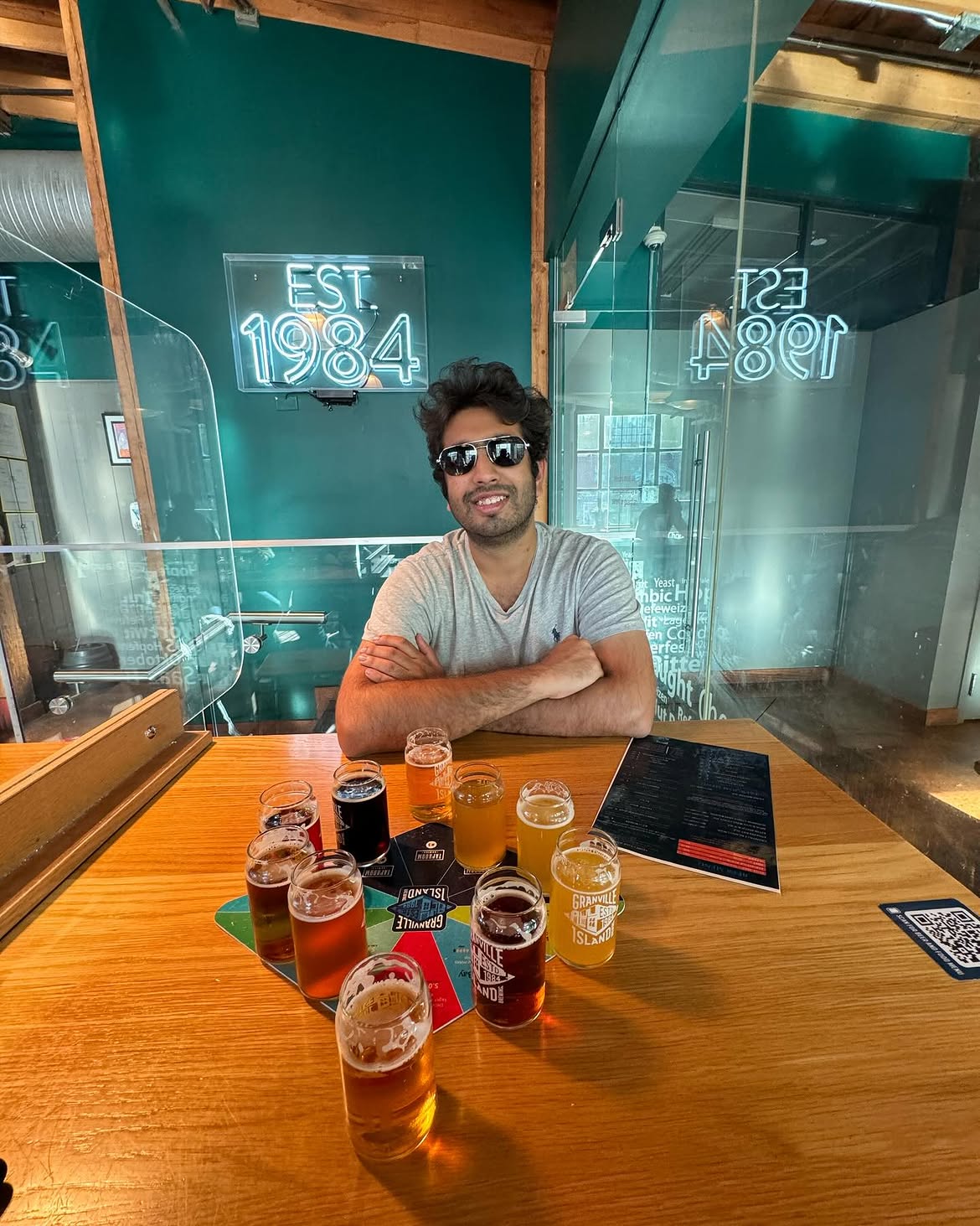
I think they go hand in hand more than people admit. An unhealthy obsession can get toxic if you let it fully consume you, but if someone's doubt or criticism gives you extra fuel on a hard day, what's wrong with using it? Just don't make proving people wrong the whole reason you do what you do. Use it as motivation, not as your entire identity.
Photo Courtesy of Arhaan Aggarwal

Do you ever feel guilty when you're resting?

I genuinely can't remember the last time I did nothing. My mind is always running somewhere. But I've found a real balance over time. I work seven days a week but I don't work 24/7. Most days I shut the laptop around 7:30 pm. and that's my time. I go meet people, go on dates. Work hard, play hard. If you ignore the fun side of life, what exactly are you working so hard for?
Photo Courtesy of Arhaan Aggarwal

How much sleep do you actually get?

Depends on the night. If I'm out, maybe five hours. If I'm home, closer to eight. I've been waking up early for years so my body just does it automatically now regardless of when I fall asleep. And honestly? Sleeping more actually makes me less productive. College nights have a way of stretching to 1am whether you plan it or not, and I genuinely enjoyed every minute of that.
Photo Courtesy of Arhaan Aggarwal

What's the biggest misconception people have about high achievers?

Two things. First, people assume we're jerks. Just because someone is doing a lot doesn't mean they're cold or arrogant. A lot of that is people projecting their own insecurities. Second, they put you in a box. Like studying and having fun are mutually exclusive. They are absolutely not.
Photo Courtesy of Arhaan Aggarwal

What's your Guilty pleasure?

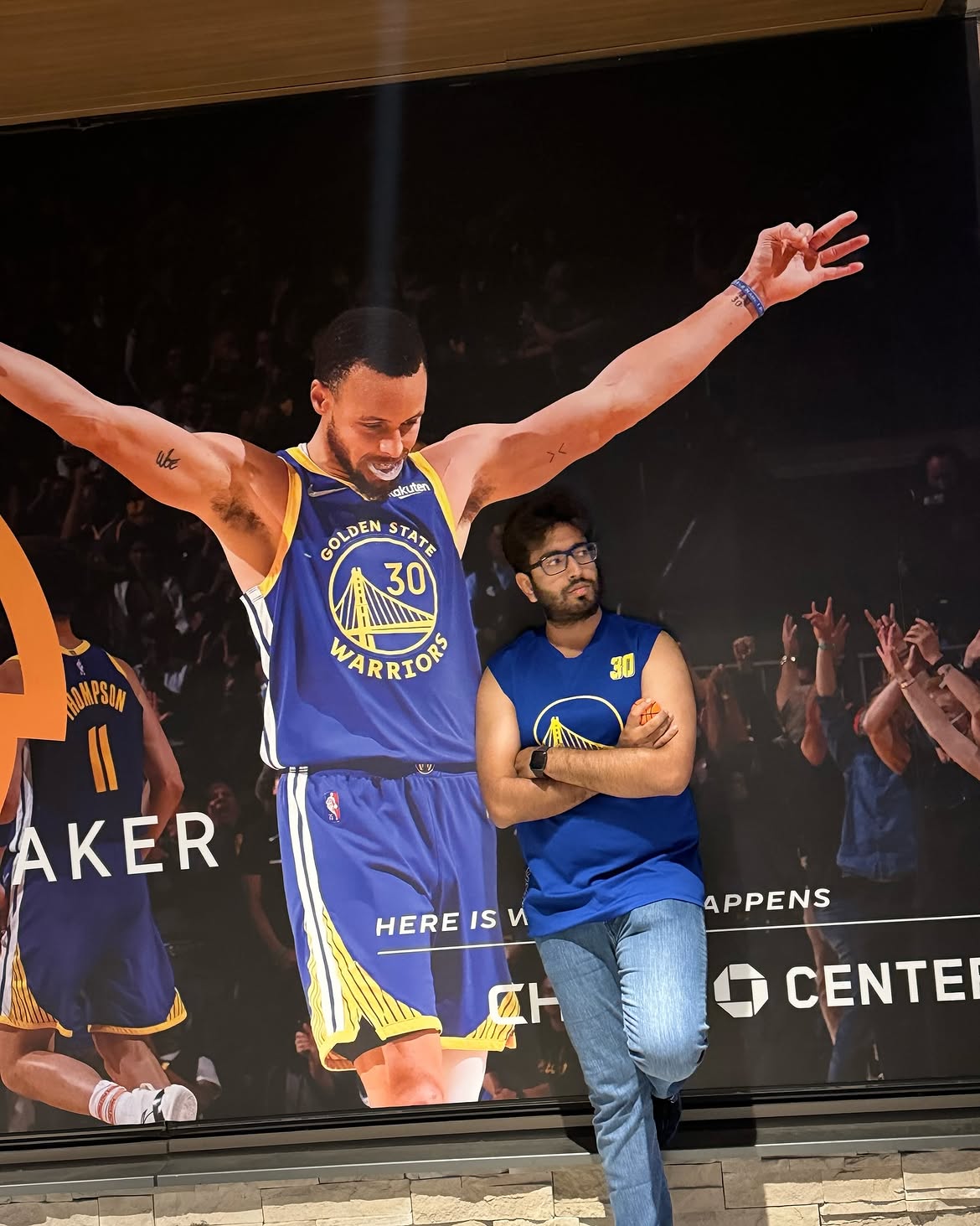
Basketball. I am a massive NBA fan. If I'm not watching, I'm listening to a podcast about it. Steph Curry is hands down the GOAT.
Photo Courtesy of Arhaan Aggarwal

You wrote that Berkeley didn't just teach you skills. It reset your sense of what's possible. Do you think our biggest limits come less from talent and more from what we believe we're capable of?

A hundred percent. And I'd add that we limit ourselves too. We talk ourselves out of things before we even try because they look hard. I'm competitive by nature and I've been lucky enough to be around high achievers I could measure myself against. That changes everything about how you see your own ceiling.
Photo Courtesy of Arhaan Aggarwal

Could you have raised a five million dollar round if you weren't at UC Berkeley?

Honestly it's really hard to say. If I'd gone somewhere else I'd have met completely different people and probably chased completely different goals. The environment shapes the ambition more than most people realize.

Being surrounded by Olympians, bestselling authors, and founders, has anyone's journey fundamentally changed how you see your own potential?
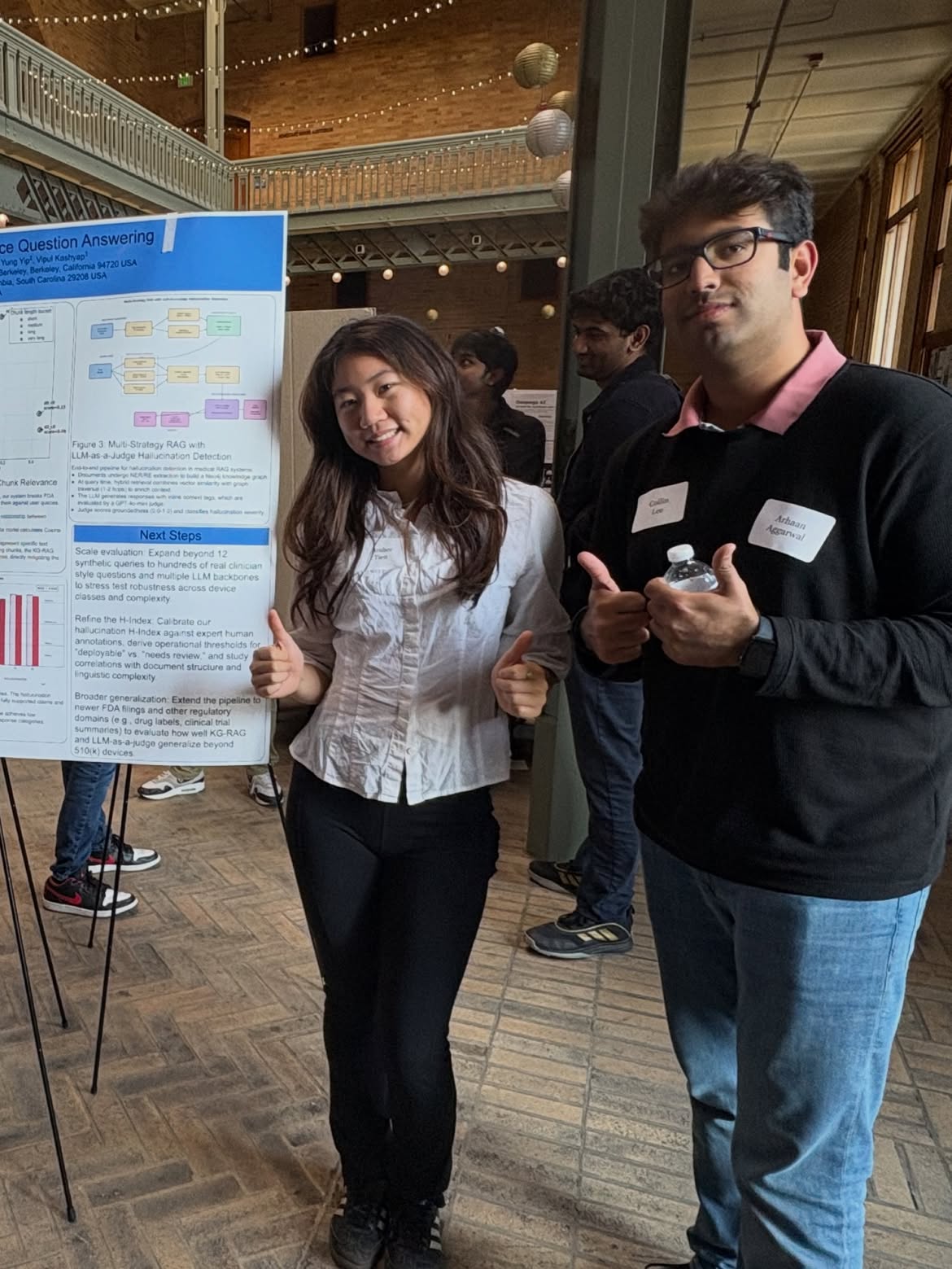
I'll always ask "why not me?" because we tend to glorify people from a distance and put them on pedestals they didn't ask to be on. I'm lucky enough to actually know these people. And the funniest part is a lot of them are just my friends. You're out with someone until 2am, laughing and doing nothing, and then you find out what they went on to build. That makes it real. It stops being some abstract inspiration and becomes: why can't that be me?
Photo Courtesy of Arhaan Aggarwal

If someone could spend a day inside your mind, what would surprise them most?

The ADHD, for sure. How bored I get, how fast everything moves up there. That and the very serious, very deep love I have for Steph Curry.

How have you navigated ADHD with six majors when so many people with it struggle to finish even one major?
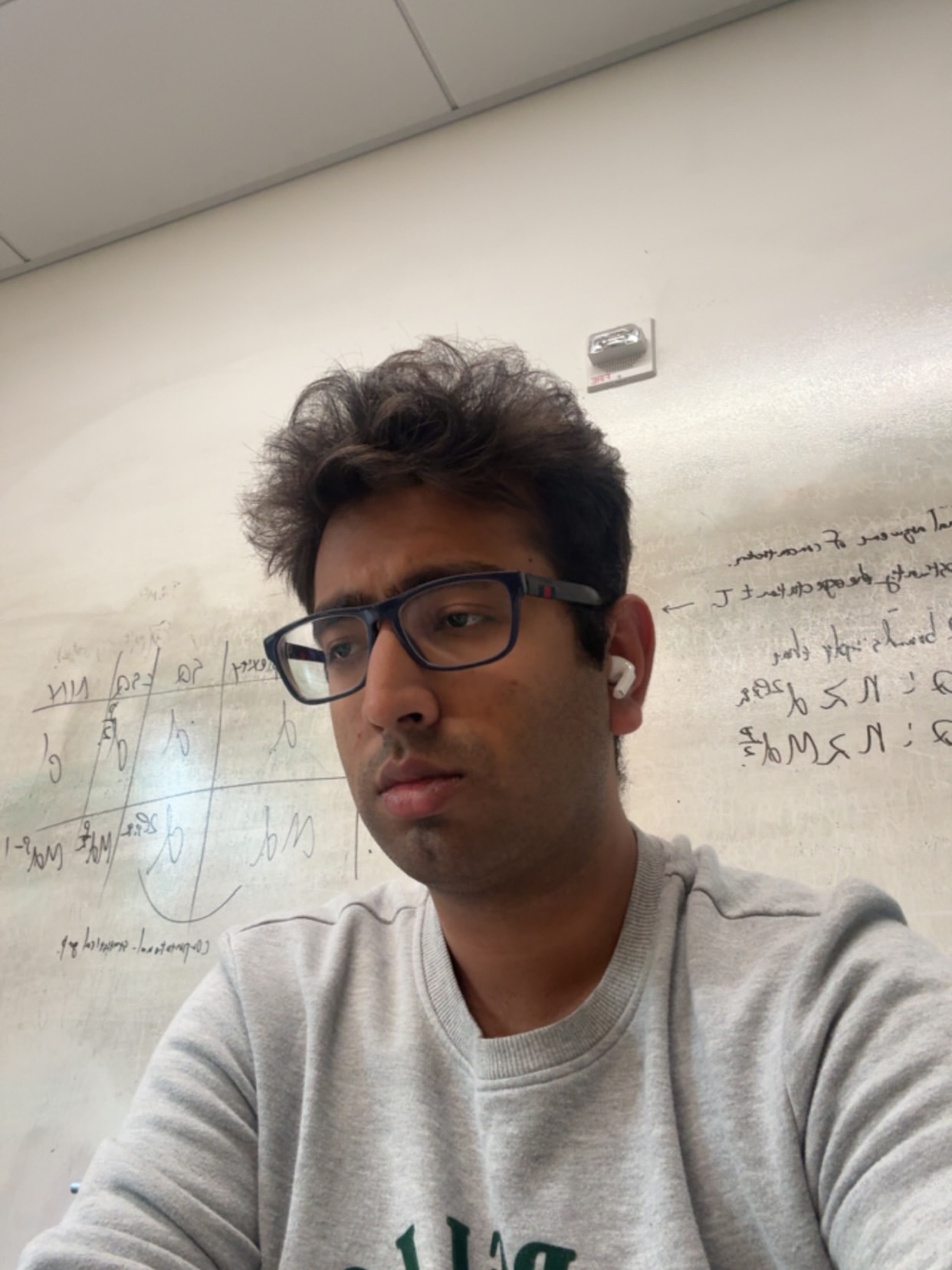
You have to actually understand how ADHD works. It's not an inability to focus. It's hyperfocus that jumps between things at different times. Once you understand that, you stop fighting it and start directing it. Redirecting those hyperfocus moments is honestly the whole key.
Photo Courtesy of Arhaan Aggarwal

What's a question about yourself you're still trying to answer?

What's my limit? I thought I found it two years ago and then I blew past it in ways I never expected. I think I can take on a lot more and still be standing. I'm still figuring out where that ceiling actually is, and honestly, God willing, I hope I never find out.

When do you feel most alive?

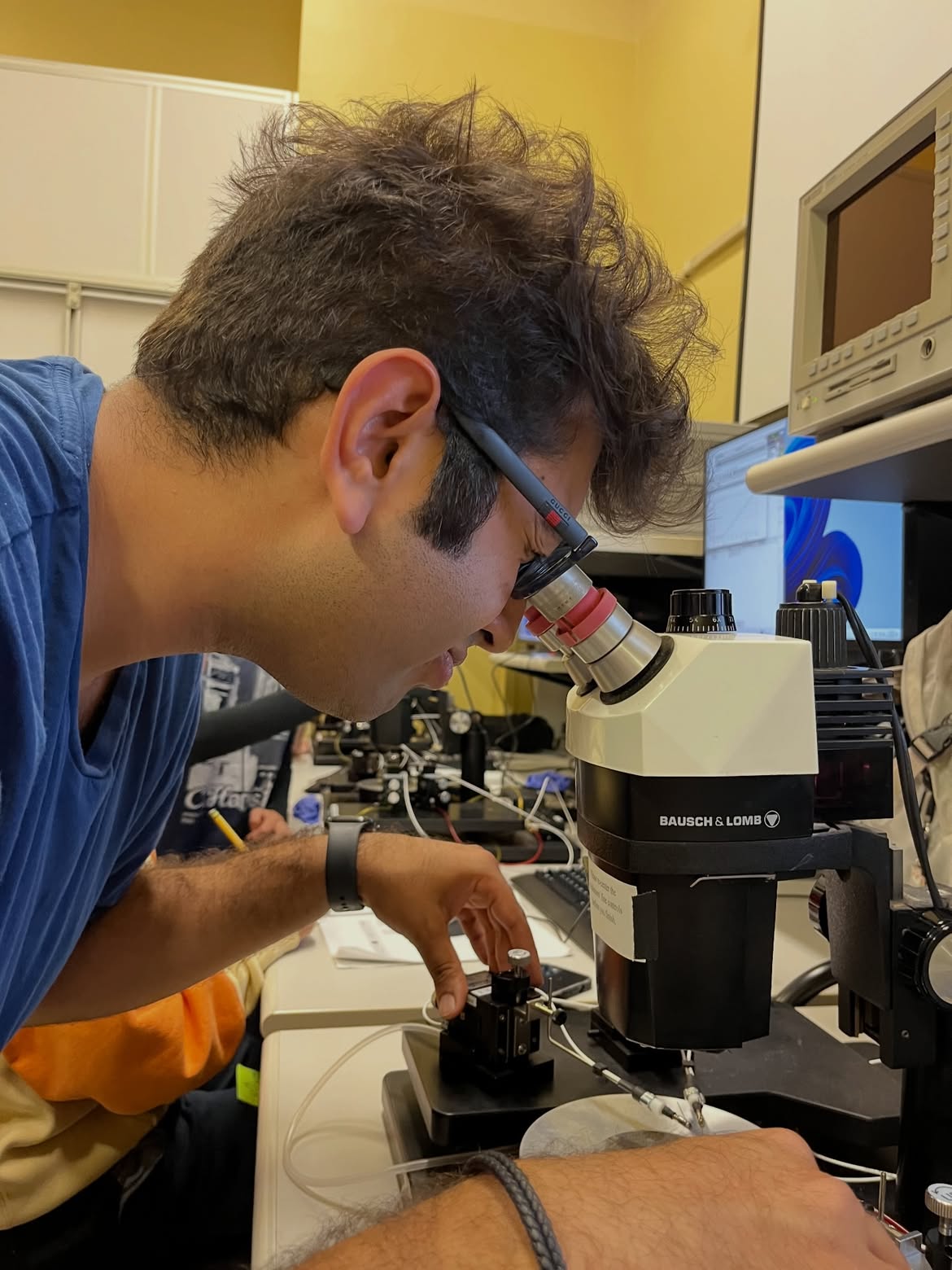
When I'm learning something new outside of a classroom. Ironically, the traditional academic setting is where I feel most dead. Learning on the job, learning by doing, that's where everything clicks. Last year I took a microfabrication class where we built a microchip completely from scratch and it genuinely changed how I think. I recently gave a talk based on a research paper on probabilistic models and AI. I just moved to San Francisco and had to build my own bed frame for the first time alone. I even picked up golf. None of it is comfortable, all of it is new, and that's exactly the point. That's when I feel most alive.
Photo Courtesy of Arhaan Aggarwal

If someone watching this knows they're capable of more but they're too afraid to take the leap, what would you tell them?

Ask yourself: what's the worst that can happen? Worst case, you try it, it doesn't go the way you planned, and you're right back where you started. But if you never try, you're still in that same exact spot anyway. Even a little discomfort, even one small step forward, puts you ahead of where you would've been. That's always worth something.

Final question: Are your standards truly your own, or have they been shaped by the extraordinary people around you?

Both, honestly. I try to push myself from the inside out, and being around extraordinary people naturally raises the bar. But here's the thing: you can be surrounded by the most incredible people in the world and still not perform at a high level if your own internal standards aren't there. The environment opens the door. You still have to be the one to walk through it.