Inside the Mind of

Deep dives into how remarkable people think.

Danilo Jacob Garcia

Mental Performance Consultant

·By: Mbaire
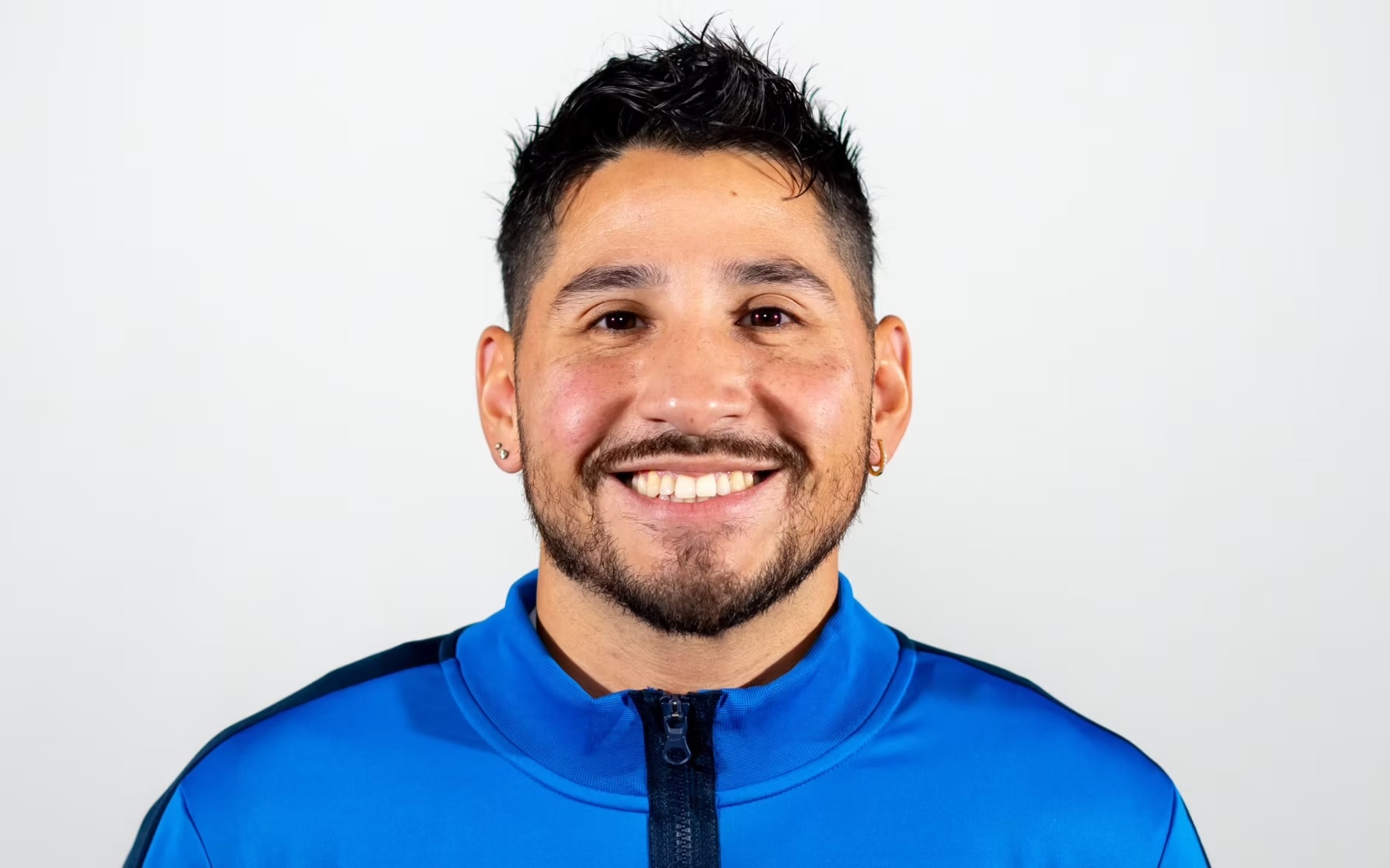
Danilo Jacob Garcia

Courtesy of Danilo Jacob Garcia

"I've learned how quickly emotion can take over when people feel threatened or under pressure. That's why I believe in practices like mindfulness, meditation, and breathing exercises."

In boxing, there isn’t much time to dwell on what just happened. You can land a great punch or take one you didn’t see coming, but the fight keeps moving. For Coach Danilo, that ability to reset is something anyone can learn. A boxing and mental-performance coach with experience in the military and finance, he sees the sport as a training ground for handling pressure, setbacks, and uncertainty. His approach comes back to one idea: “control the controllables.” For Inside the Mind Of, Akilis World spoke with Danilo about resilience, failure, self-worth, and what boxing can teach us about handling difficult moments.

When you describe someone as mentally resilient, what does that actually mean? Is resilience something we're born with, or can we develop it?
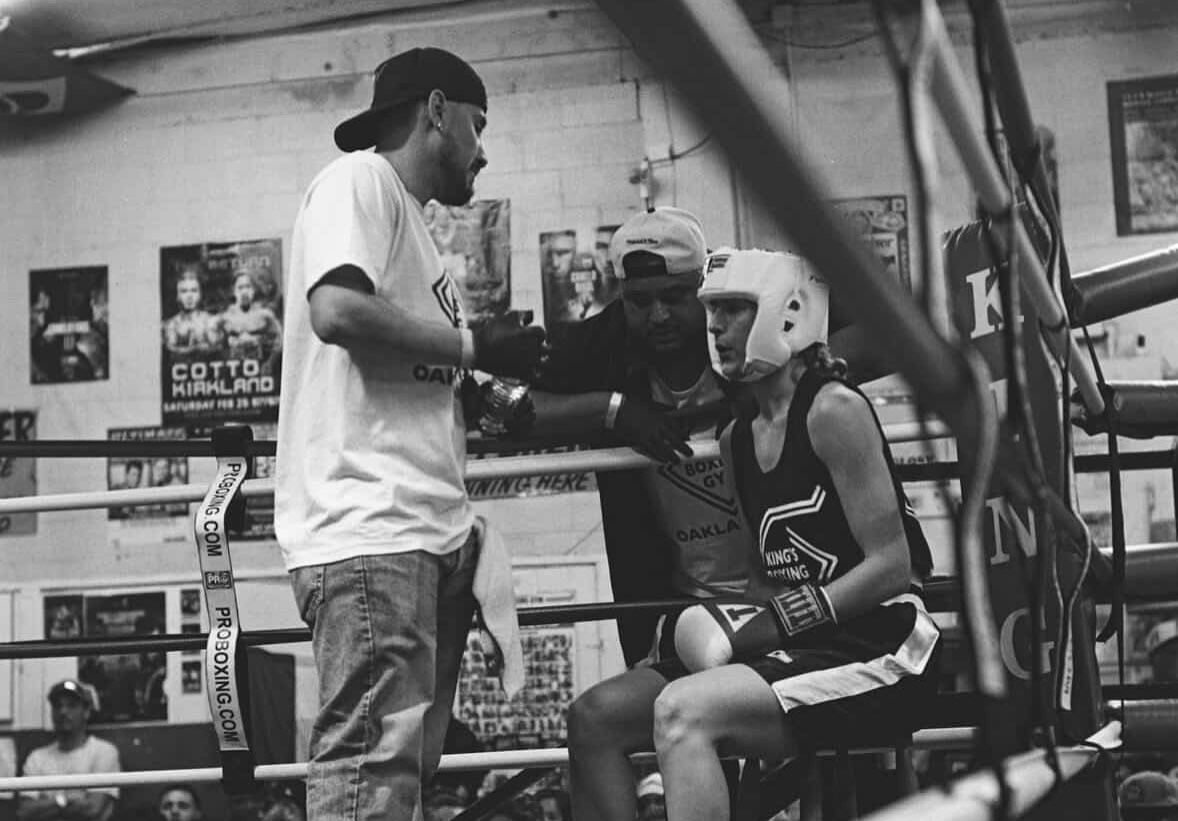
Absolutely, it can be developed. A lot of resilience comes from being exposed to difficult situations and learning how to respond to them. In boxing, adversity is guaranteed. You're going to get hit. Things aren't always going to go your way. That's what drew me to the sport. Boxing is a lot like life. Life throws punches at you that you weren't expecting. What matters is how you respond. For me, coaching has become less about creating champions and more about helping people develop tools they can use long after they leave the gym.
Courtesy of Danilo Jacob Garcia

For someone who doesn't feel mentally resilient, how can they start building it?
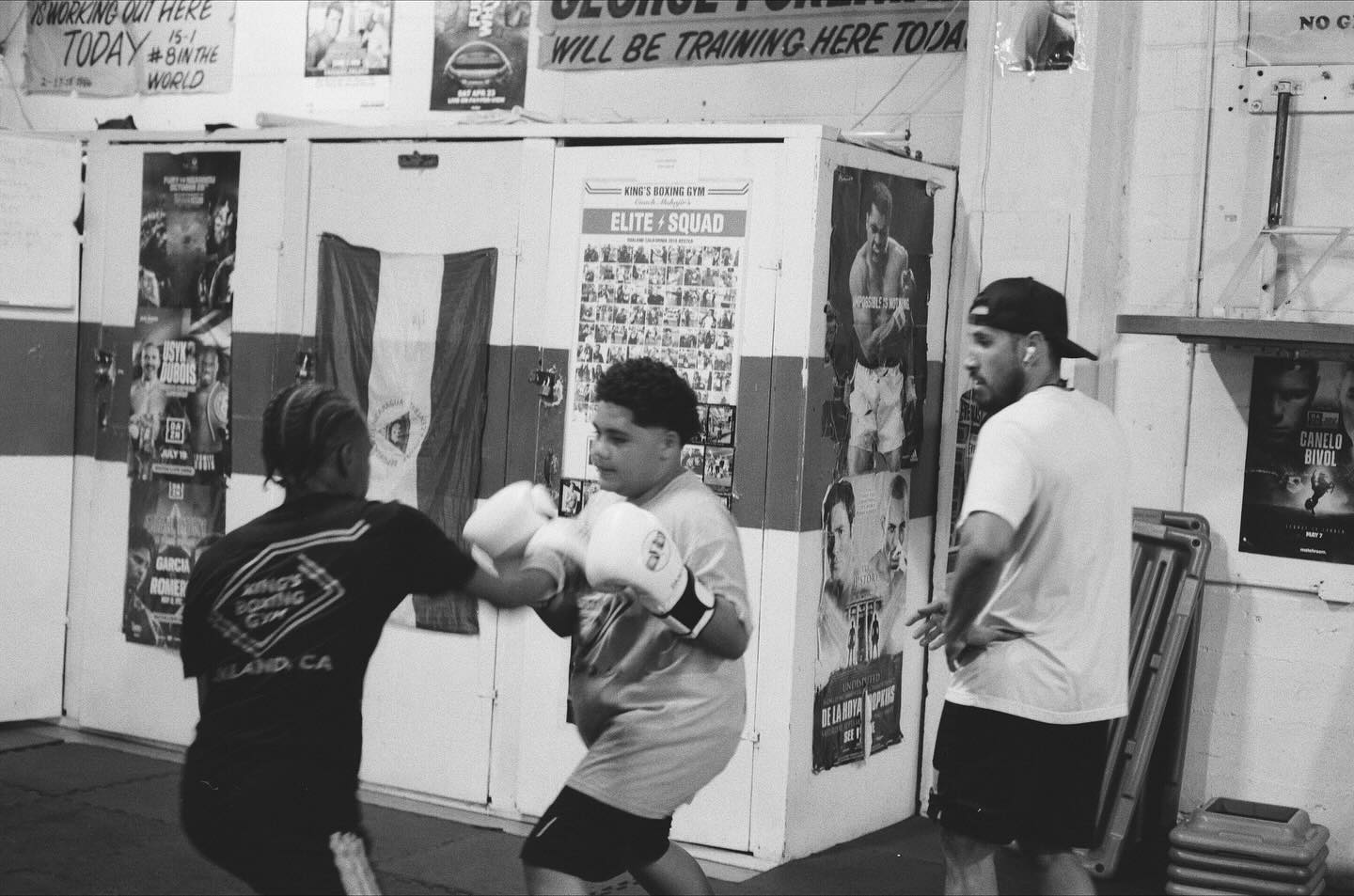
Little by little. People walk into the gym at completely different levels. Some have never been punched before, so I'm not going to put them straight into full-contact sparring. You gradually expose them to harder situations and teach them that they can handle them. Resilience works the same way. You challenge yourself, recover, and then take on something a little harder.
Courtesy of Danilo Jacob Garcia

Can difficult experiences actually make someone stronger later in life?
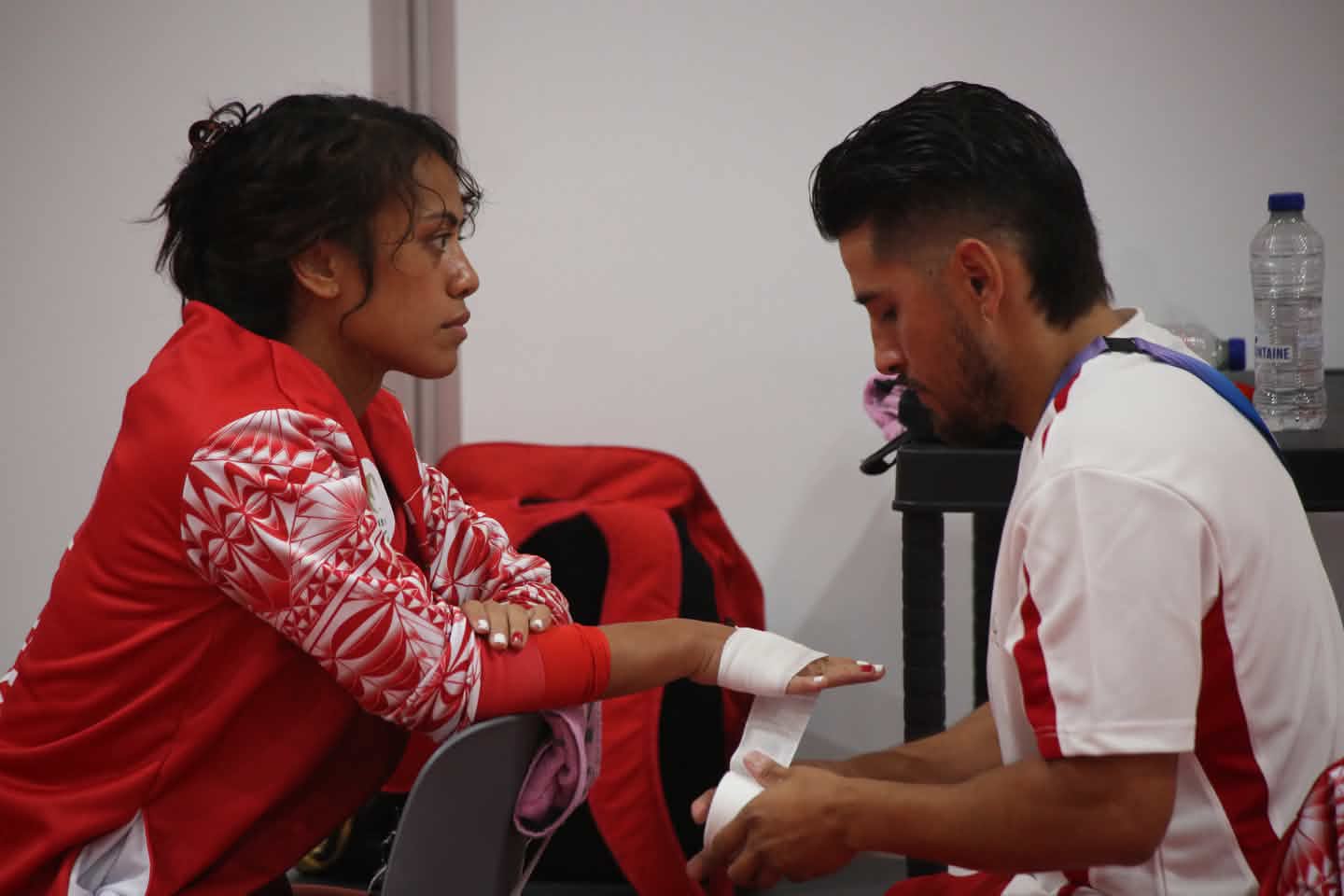
I look at a lot of my past struggles as strengths now. There were moments when I thought, “Why is this happening to me?” But looking back, some of those experiences helped me become stronger, get sober, and rebuild different parts of my life. Sometimes you don't have enough perspective in the moment to know whether something will ultimately be good or bad for you. That's why I tell my boxers they have to be “comfortable being uncomfortable.” You don't want the first time you experience real pressure to be when everything is on the line.
Courtesy of Danilo Jacob Garcia

After a setback, how does someone keep themselves from feeling helpless?
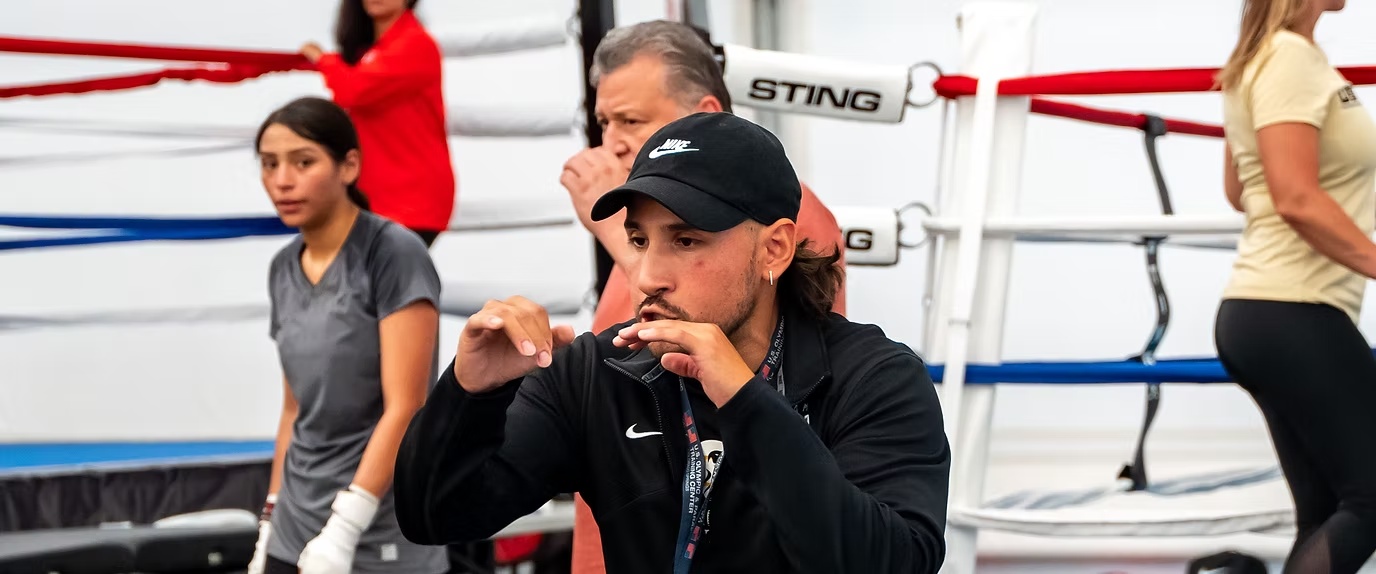
Sometimes it really is as simple as getting up one more time. One exercise I do with my boxers is separating what they can control from what they can't. They can't control the judges, the referee, the crowd, social media, or whether someone boos them. They can control their preparation, attitude, effort, and how they respond when something goes wrong. Instead of spending energy on everything around you, you bring your attention back to what you can actually do next.
Courtesy of Danilo Jacob Garcia

How much do the people around us affect resilience?
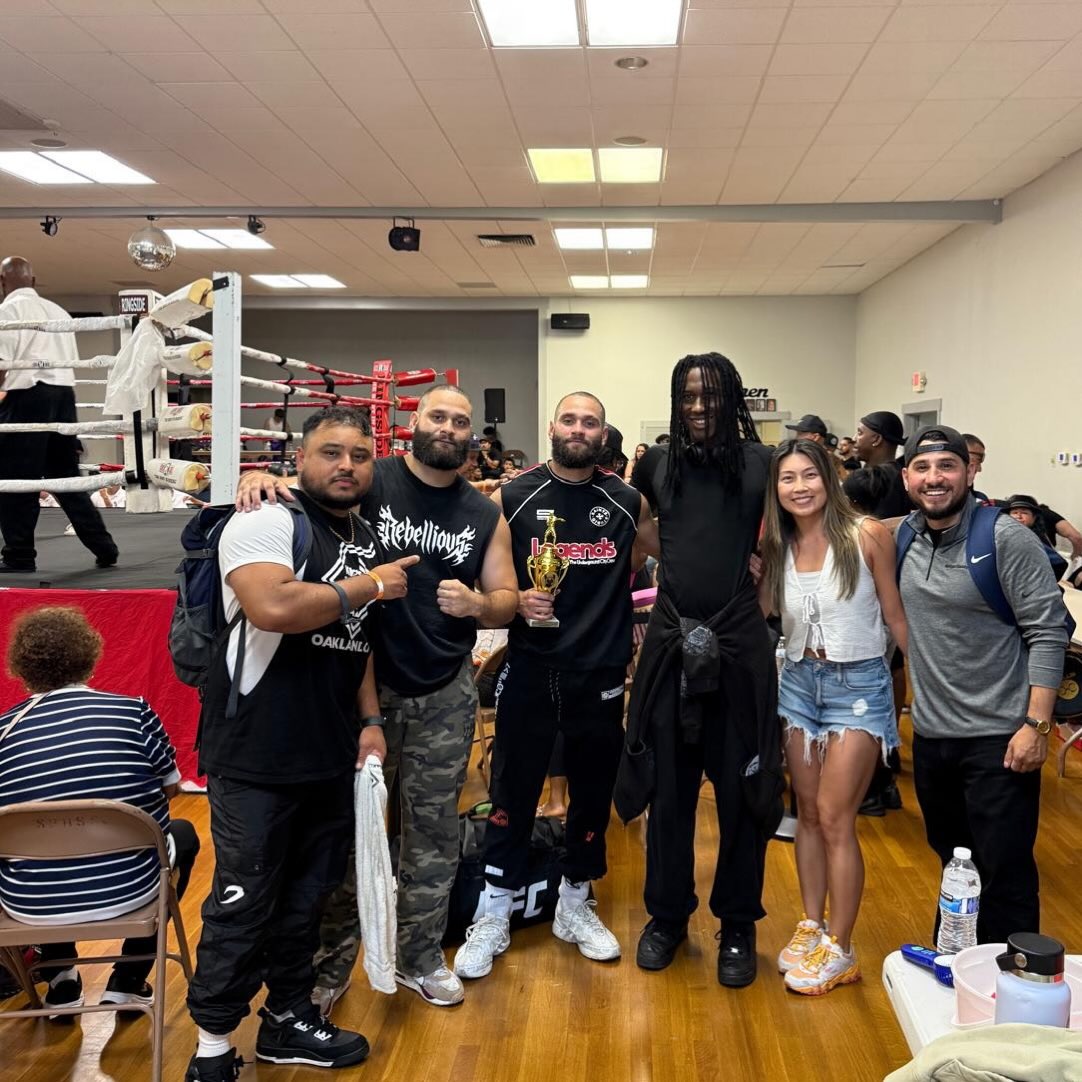
A lot. I call it your “social portfolio.” The people around you can either push you forward or pull you away from where you're trying to go. When I decided to become sober, part of that meant changing who I spent time around. I had to be more intentional about the influences in my life. Friends, family, partners, and coaches matter. Who you surround yourself with is one of the things you can choose.
Courtesy of Danilo Jacob Garcia

How does one prevent failure from becoming a reflection of their self-worth?

You have to separate the result from the progress. I've watched people go from not being able to jump rope or take a punch to stepping into the ring for a real fight. They might not get the result they wanted in that first fight, but that doesn't erase how far they've come. Growth can be slow. Sometimes you're improving without realizing it. That's why I tell athletes not to tie their value to the score. Keep working, keep learning, and trust the process.

How does one balance being kind to themselves after failure while still holding themselves accountable?

You have to allow yourself to feel things. We're human. Give yourself some grace, but at some point, you also have to ask yourself, “What was my role in this? What can I do differently going forward?” Feeling disappointed isn't the problem. It's what you do after that feeling that matters.

What happens when an athlete starts seeing their sport as their entire identity?
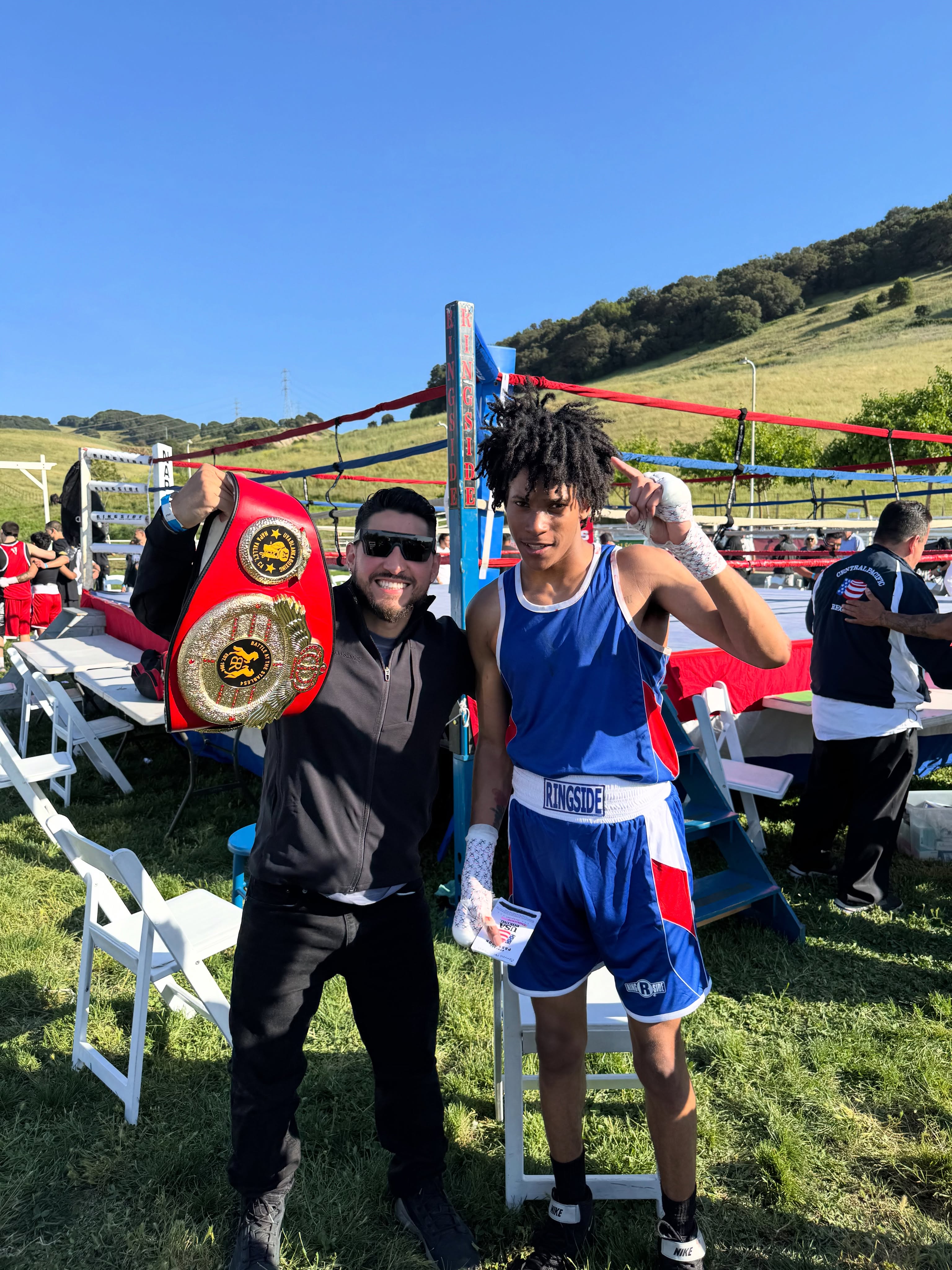
That's when you have to separate who you are from what you do. Your sport can be incredibly important to you. It can even be your career, but it still isn't everything you are. Sometimes I'll sit down with an athlete and actually write these things out: Who are you? What makes you who you are? How do you define success? Those are questions everyone eventually has to answer for themselves.
Courtesy of Danilo Jacob Garcia

You've worked in boxing, the military, finance, and mental-performance coaching. What have those experiences taught you about staying calm under pressure?
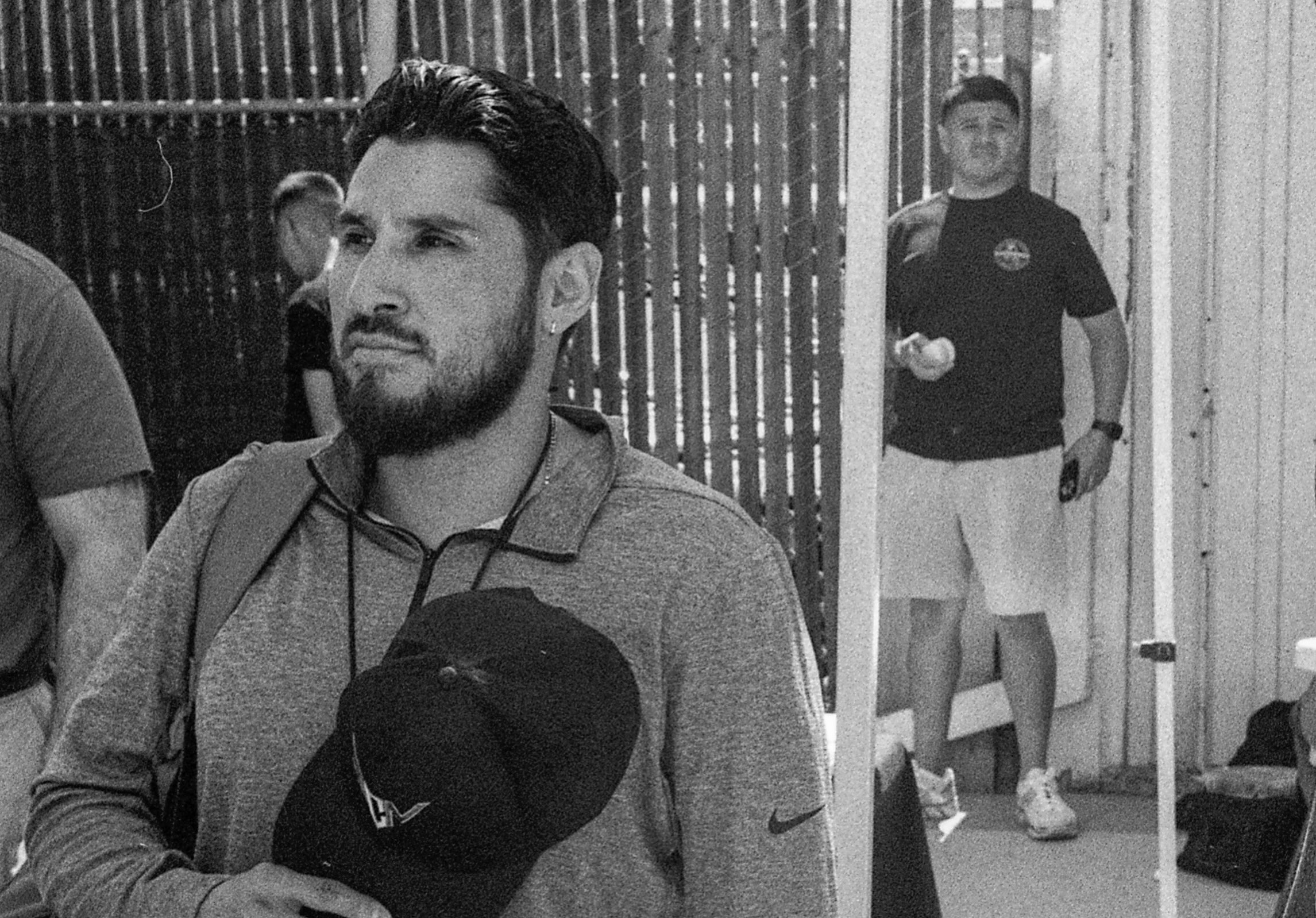
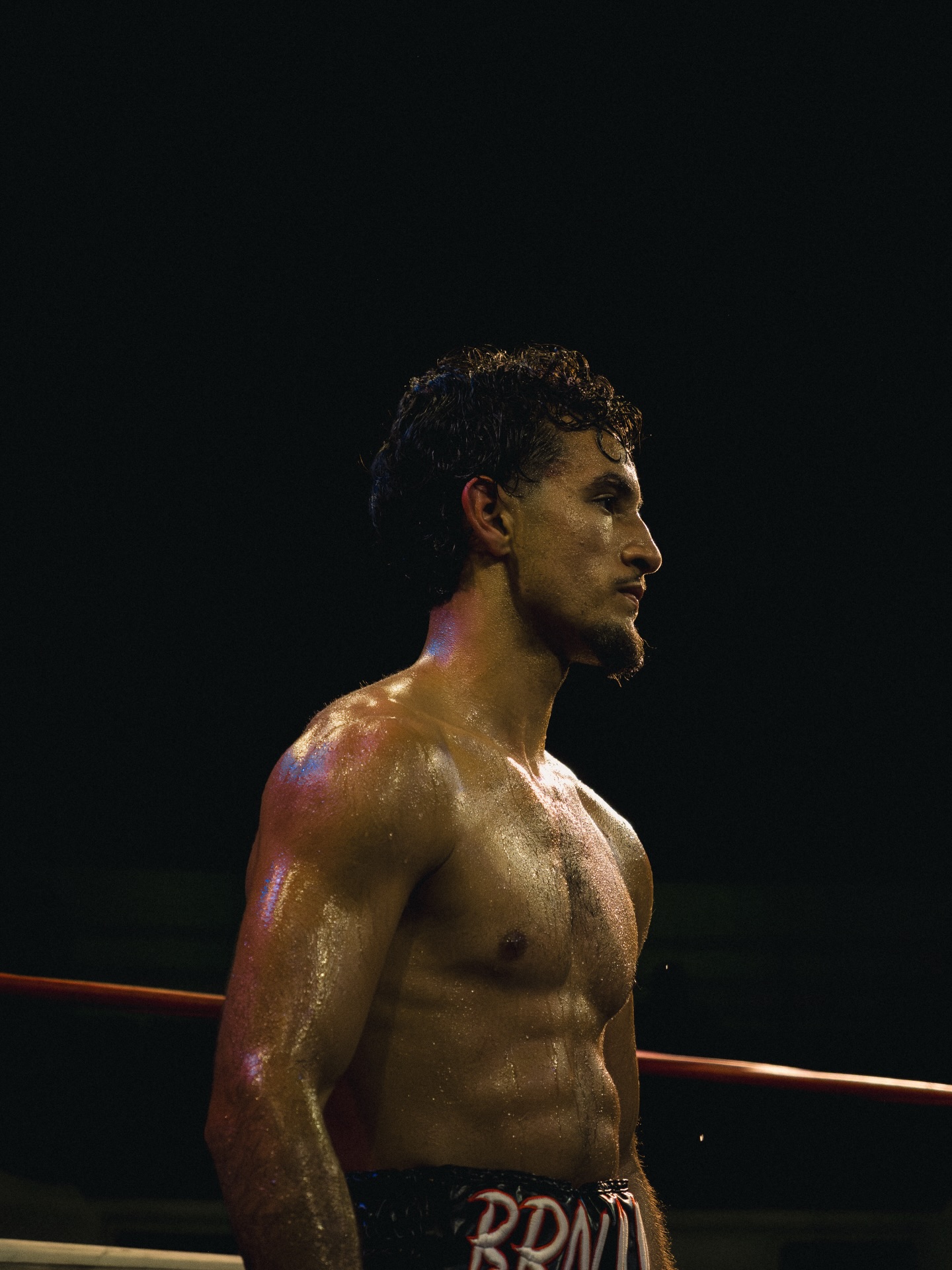
I've learned how quickly emotion can take over when people feel threatened or under pressure. That's why I believe in practices like mindfulness, meditation, and breathing exercises. I compare mental training to lifting weights. You don't go to the gym once and wake up stronger the next morning. You have to do the repetitions. Mental skills are the same. You practice them over and over until, one day, you notice you're responding differently. The mind needs to be trained, too.
Courtesy of Danilo Jacob Garcia