Inside the Mind of

Deep dives into how remarkable people think.

Inside the Mind of Carleigh Sarah Michelle: Choosing to Stay

Holistic Mental Wellness Coach

·By: Mbaire
Inside the Mind of Carleigh Sarah Michelle: Choosing to Stay

Courtesy of Carleigh Sarah Michelle

"We can control a lot more than we sometimes let ourselves believe"

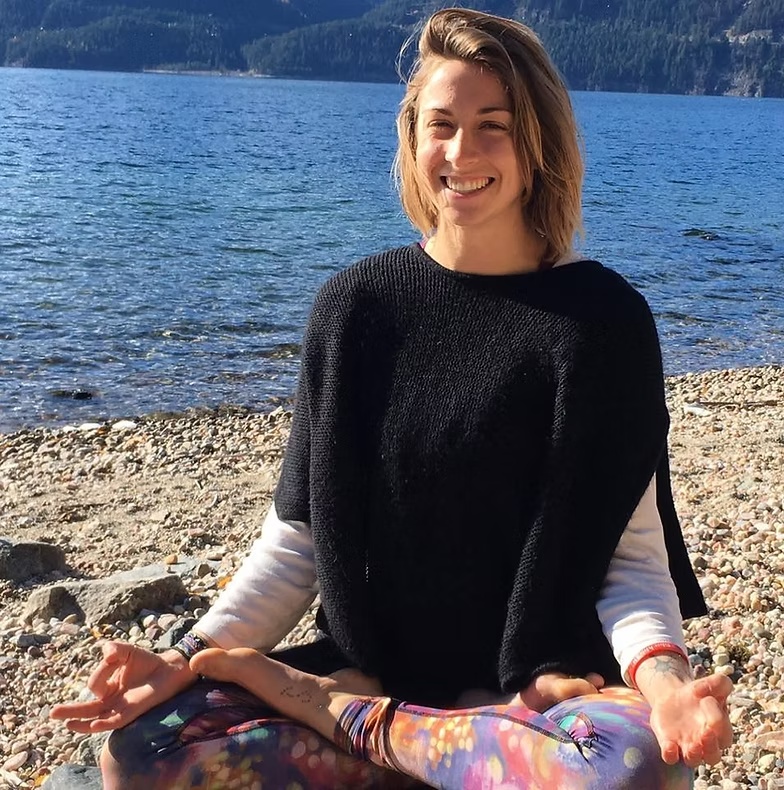
At 12 years old, Carleigh Sarah Michelle had written goodbye letters. She was struggling with depression, insecurity and the belief that the world might be better without her. Her family had no idea. Today, Carleigh is a holistic mental wellness coach who openly speaks about living with bipolar disorder, learning her warning signs and building a life around protecting her mental health. For Suicide Prevention Month, Akilis World spoke with Carleigh about what kept her here, learning to ask for help, accountability and what she has learned from more than a decade of understanding her own mind.

You planned to end your life when you were 12. What was happening inside your mind at the time?

It was very much, The world would be better if I wasn't here. No one will miss me. I have nothing to live for. There's no point. My love for myself was so low that I just didn't understand how me being here was good for anybody. It's heartbreaking to think about now because anybody who's going through that probably has no idea of the positive impact they have just by existing. When you're in such a deep depression, you really don't realize it.

What stopped you?

A big part of it was my younger brother. Growing up, whenever my dad would start getting angry at him, I would step in and think, I can handle this. It's fine. So I thought a lot about what would happen if I wasn't there. What would my brother's experience become? Would he feel guilty? I had written letters. Most days I would think, Today's going to be the day. When I was 18, I was cleaning out some old drawers and found those letters. I remember thinking, Oh my God, that was scary. My parents had no idea what I had been carrying. Years later, I burned the letters. Looking back now, I’m just grateful I stayed.

Years later, you experienced your first manic episode. How did you know when you could no longer handle it on your own?
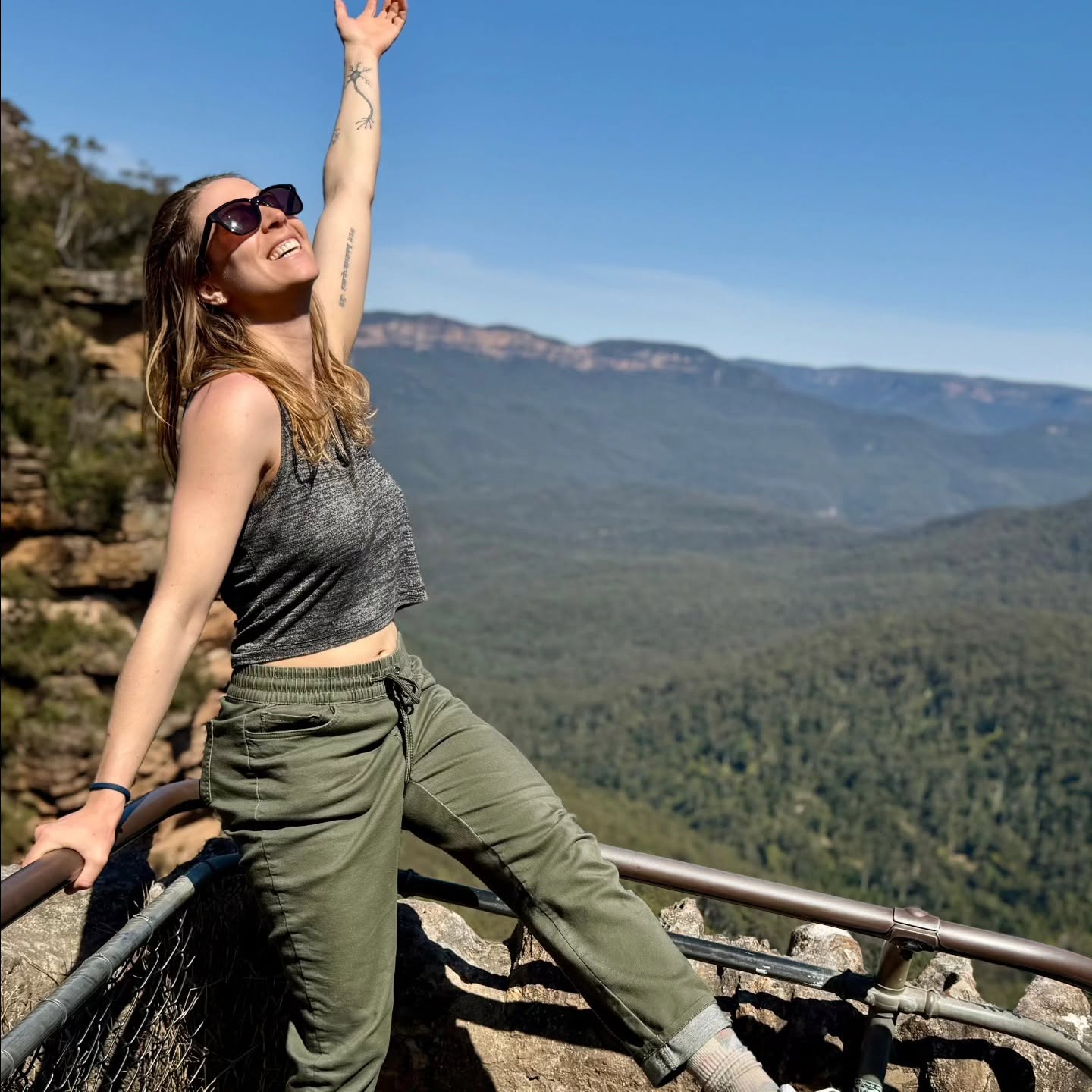
I hadn't slept in three days. I couldn't eat. I was at work and kept running outside because I was crying and laughing and had all this energy coming out of me. I couldn't interact with customers or have a normal conversation because I couldn't stop speaking. I remember telling my parents, I don't know what to do. I'm not in control right now. My dad said, “Carleigh, if you can't make it through your shift at work, you need to go to the hospital.” And I thought, Whoa, I do need to go to the hospital. That was a really important lesson. Most of the time, I'm very aware of my emotions, but I also know there can be a point where I can't function as my normal day-to-day self. That's when I would seek external help.
Courtesy of Carleigh Sarah Michelle

You've built your life around sleep, exercise, nutrition, mindfulness and community. Where does willpower fit into staying well?
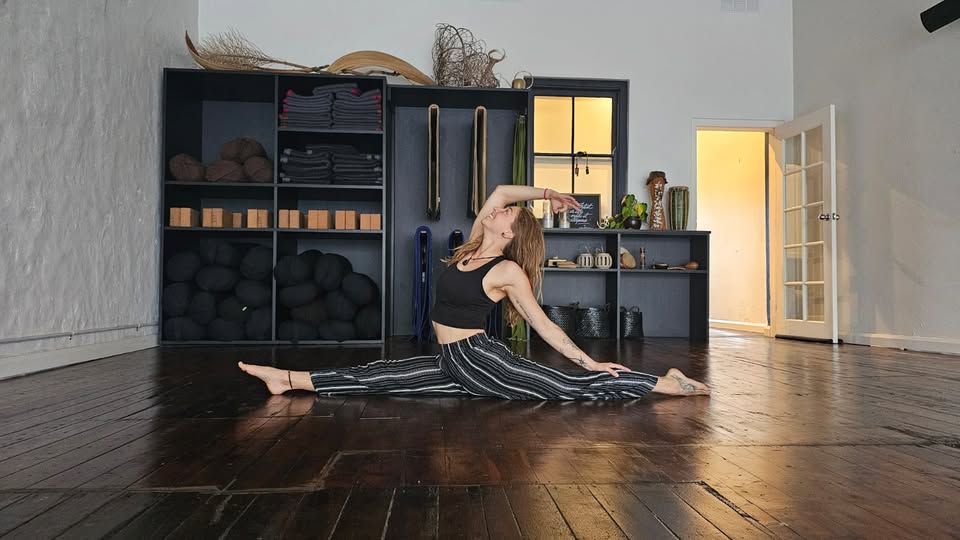
I don't believe we can just will our way through everything. For me, discipline and willpower come from my relationship with myself. The big shift happened when I decided, I actually want to love myself enough to find healing. When you love yourself, you want to do the things that are going to make you feel good. You move your body. You feed yourself well. You sleep. We're really good at taking care of our pets. We'll make sure the dog gets walked, eats properly and sleeps. But sometimes we're horrible at giving ourselves that same care. At first, building a lifestyle around healing required a lot of consistency. Now it's simply the way I live.
Courtesy of Carleigh Sarah Michelle

What happens when you don't feel like making the healthier choice?

Sometimes I have to give myself tough love. There are days when all I want to do is lie in bed and watch Netflix. I'll tell myself, I love you enough that you have to go outside, even if it's only a 10-minute walk. Sometimes the goal is literally just putting your shoes on and stepping outside. I think we get overwhelmed because we think we have to do something huge. Sometimes a two-minute walk is better than doing nothing, you have to acknowledge those little steps too.
Courtesy of Carleigh Sarah Michelle

What role do the people closest to you play in keeping you grounded?
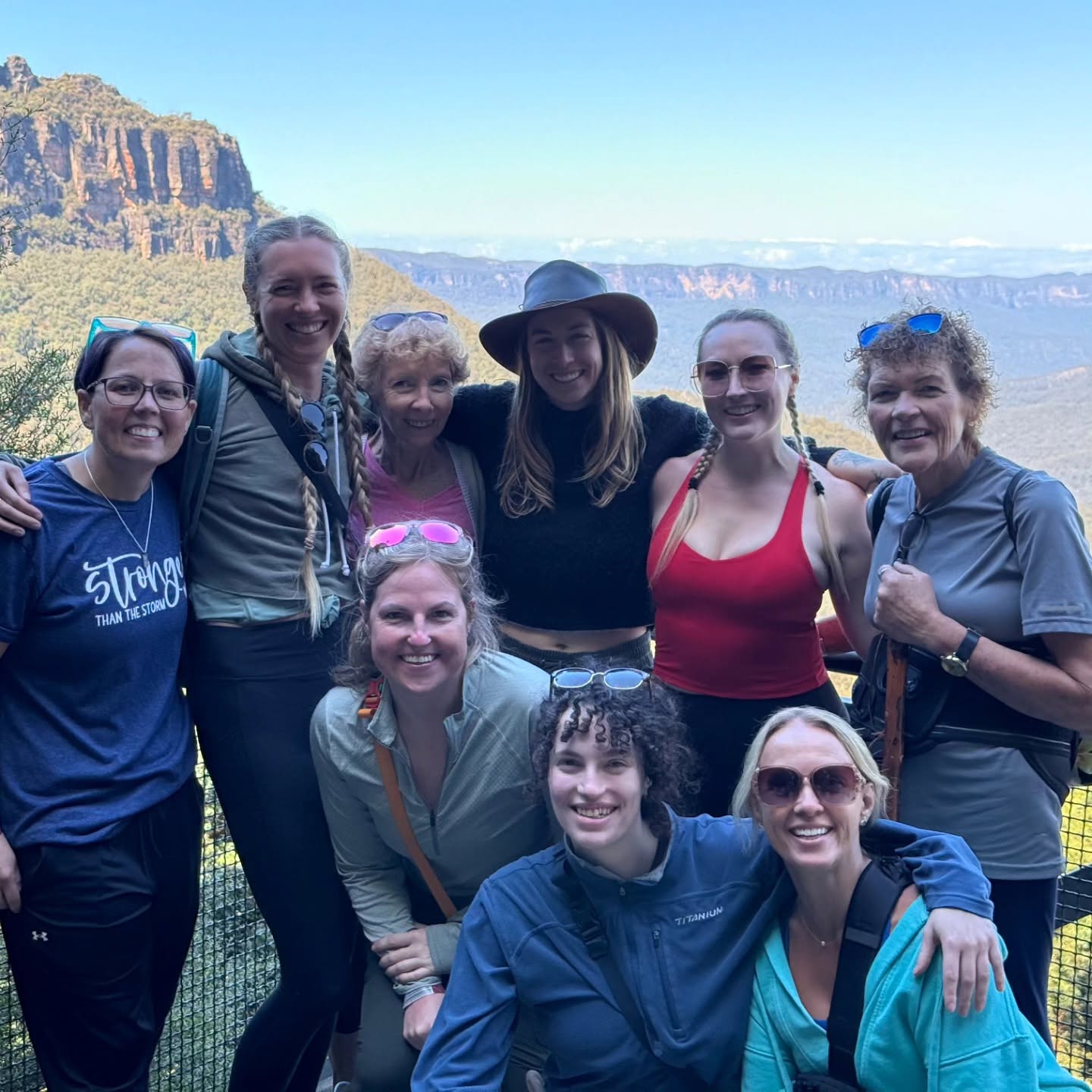
My partner is amazing at noticing things. He might say, “Are you talking a bit faster today?” That's sometimes all he needs to say. I'll think, Thank you. Okay, maybe I won't have caffeine today. Maybe I'll go for a longer run. The friends I have now are also very focused on wellness. We get outside, go on adventures and encourage each other. I've also learned that I need people who can hold space for difficult moments. I've had friendships where people are happy to be around when everything is good, but as soon as someone is going through something difficult, they disappear. I can't have that in my life. We have to have space for the darkness if we also want to have space for the light.
Courtesy of Carleigh Sarah Michelle

When mental illness is involved, how do you balance compassion for yourself with accountability for your actions?
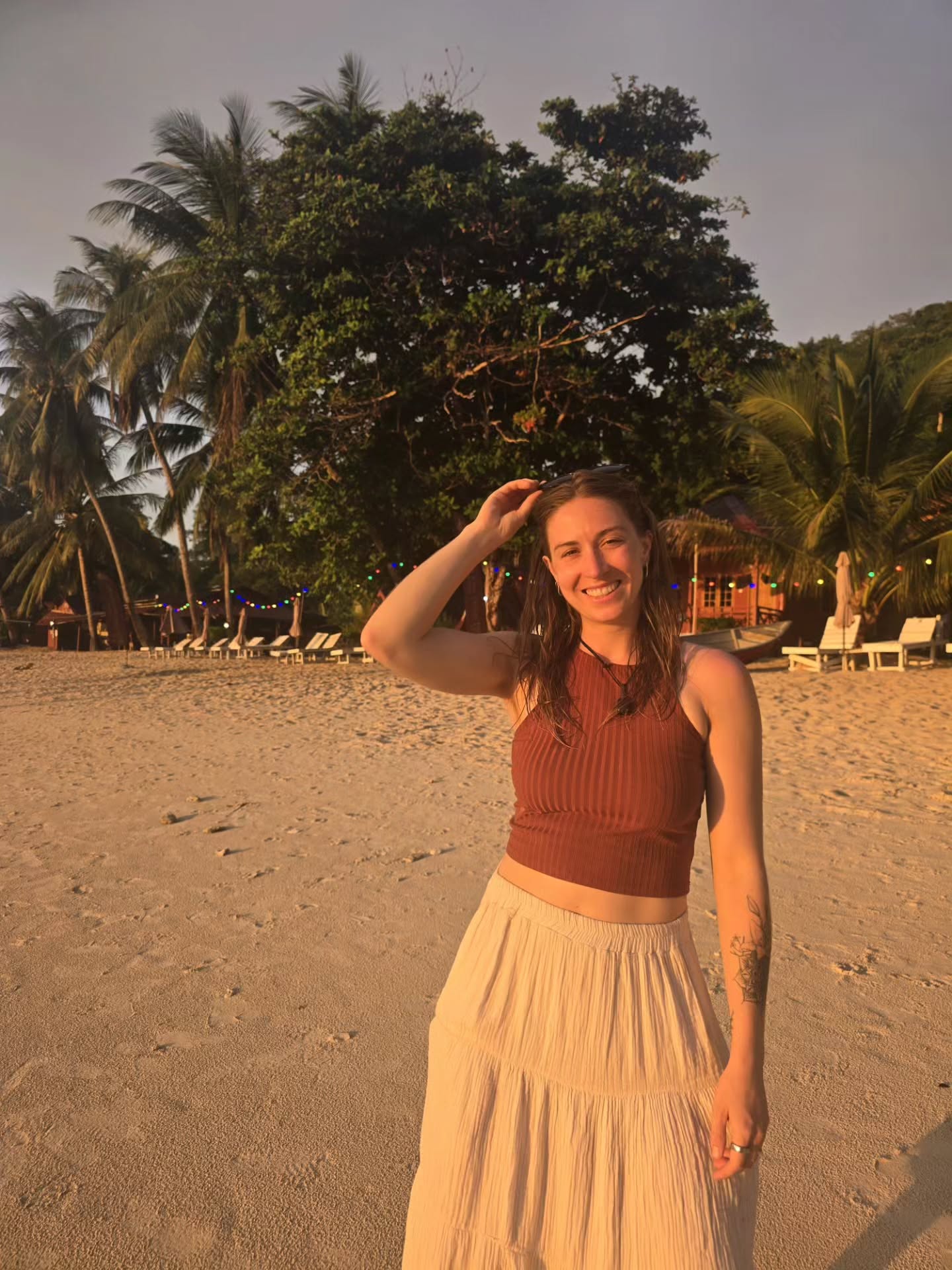
We can't blame our illnesses for our actions. Bipolar can be a valid variable in a situation. Maybe I'm experiencing a higher mood, a lower mood or more irritability. But I don't think it's fair to say I was manic, that's why I did this, therefore it's okay. If I've done something I'm not proud of, I have to acknowledge it, forgive myself and learn from it. Good people make mistakes. We still have to own those mistakes.
Courtesy of Carleigh Sarah Michelle

You're open about living with bipolar without daily medication. What do you want people to understand about your experience?

My situation is very specific. I was never on medication for years and then decided to stop. After my manic episode, I was given medication for three days. From the beginning, I wanted to see whether I could manage my mental health differently, knowing that medical treatment was still there if I needed it. Medication can be absolutely necessary and lifesaving, however I chose to take another path. If someone is already taking medication and wants to change that, they need to work with their doctor, psychiatrist or mental health team. I'm not telling anyone to stop taking medication, but sharing what has worked for me.

After more than a decade of learning how your mind works, what have you learned about how much we can actually control?
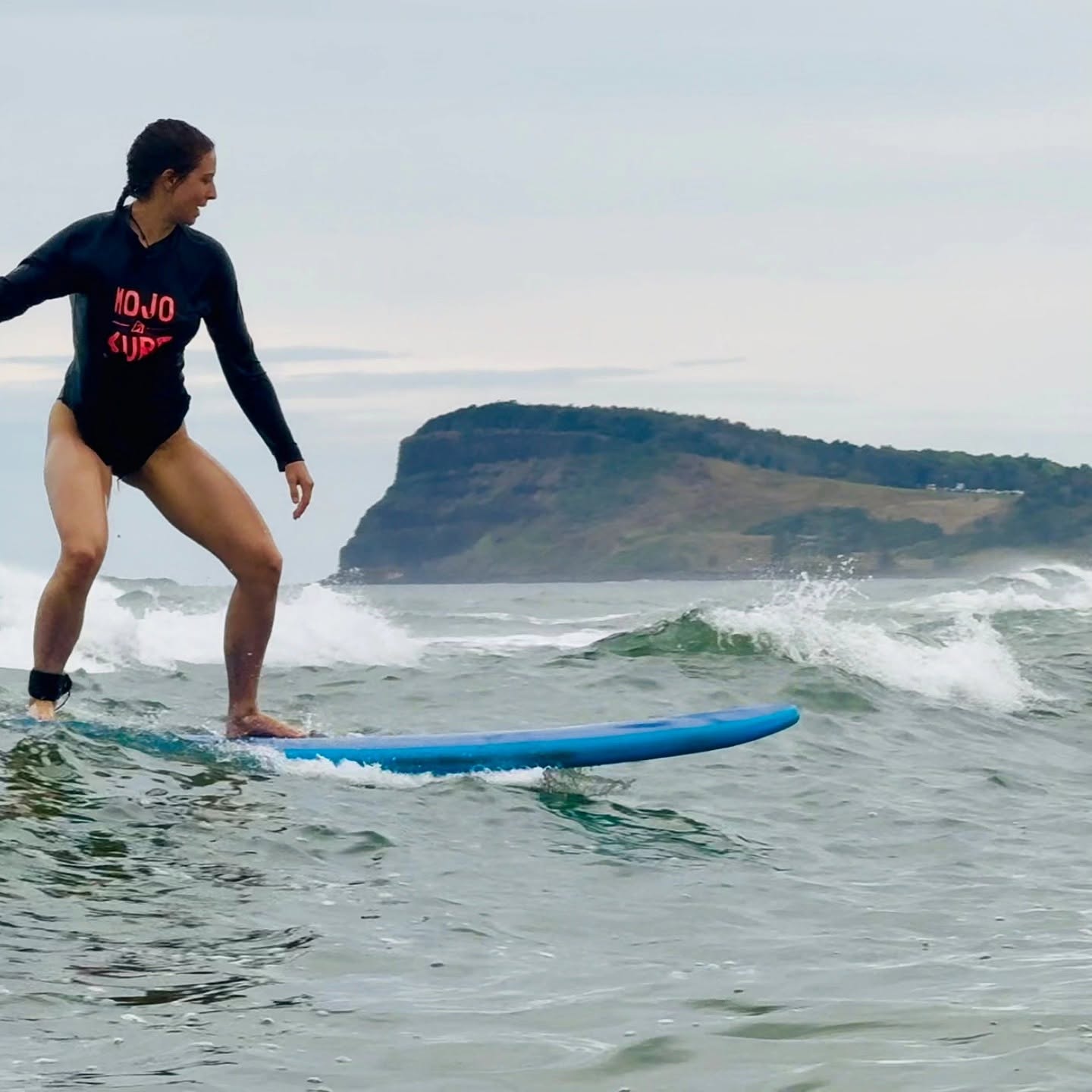

I think we can control a lot more than we sometimes let ourselves believe, but it starts with awareness. If you don't have awareness of your internal state, your patterns or your early warning signs, it's very difficult to do anything about them. But there are also things we can't control. We can't control what the world throws at us. And when it comes to mental health, we can't always control whether we're going to experience certain moods or thoughts. Maybe control isn't the right word for everything. We can influence things. We can learn our warning signs. We can work on how we respond. We can build a life that gives us a better foundation when difficult things happen. For me, that has taken years. But I now know myself in a way that I didn't when I was 12. And that changes everything.
Courtesy of Carleigh Sarah Michelle