Leaders in the Bay

Bay Area leaders shaping the future — featured by Akilis World.

Bilal Mahasin

Community leader and International boxing coach

·By: Mbaire
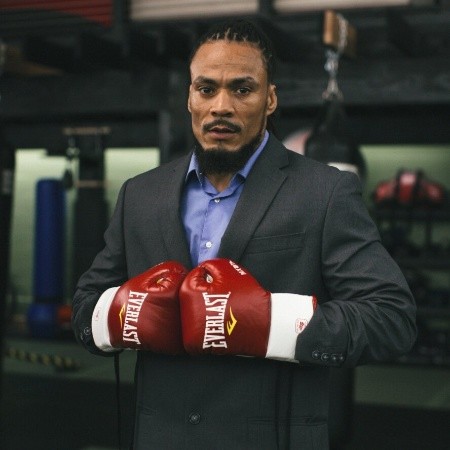
Bilal Mahasin
"The darkest time of my life was when I found the brightest light."

Bilal Mahasin’s story moves through boxing, prison, faith, family and community. At the center of it is one idea he returns to again and again: people need somewhere to belong. Today, much of his work is about giving young people that place, through boxing, mentorship and simply showing up.

Before boxing, coaching and everything you’re doing now, who was Bilal growing up?
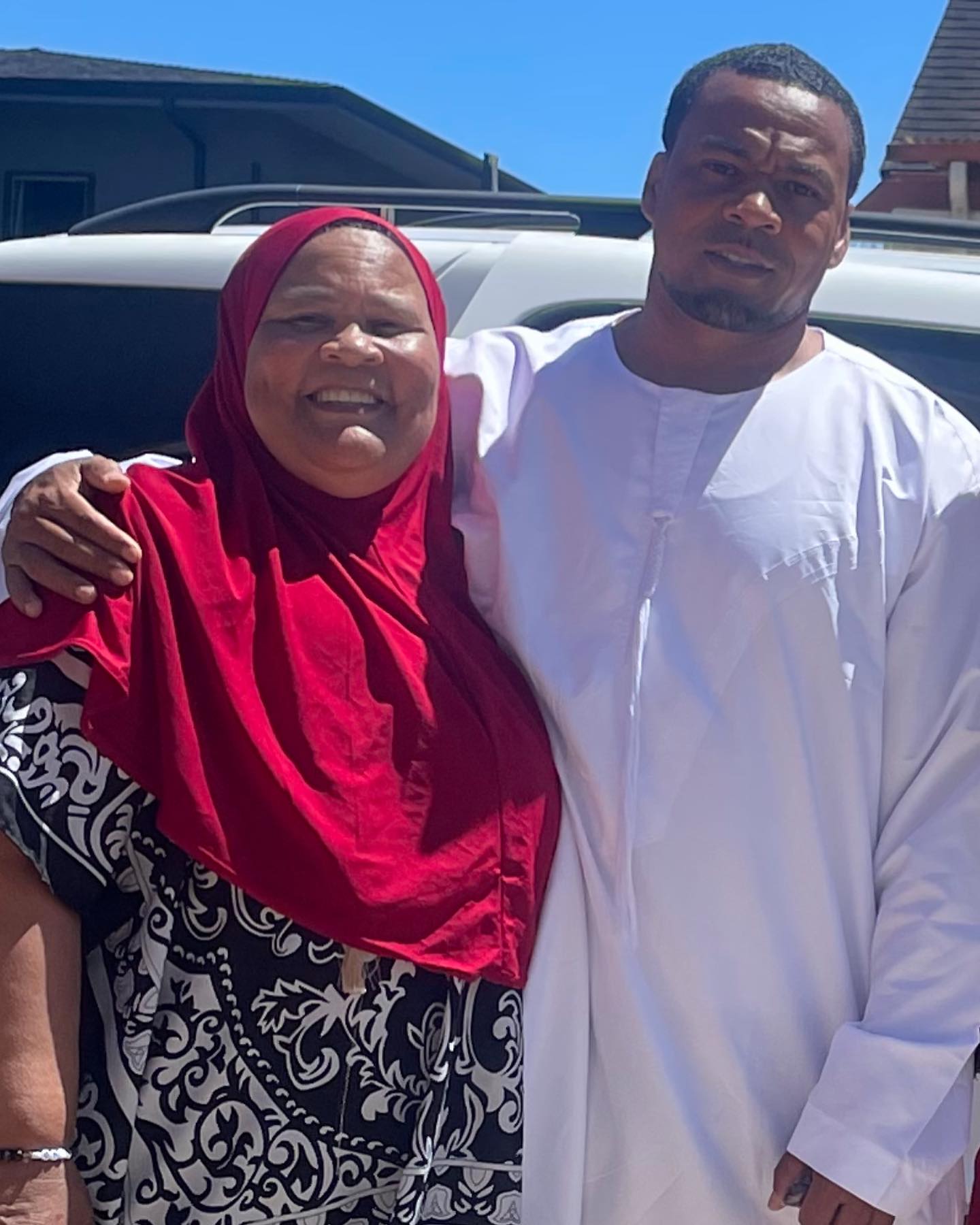
I was raised by a single mother with three boys. I don’t know how she did it. She worked hard, went back to school and was a strong community activist. She was Muslim, so we were raised Muslim. She taught us to be educated, become leaders, support our people and get involved. That was pretty much my foundation.
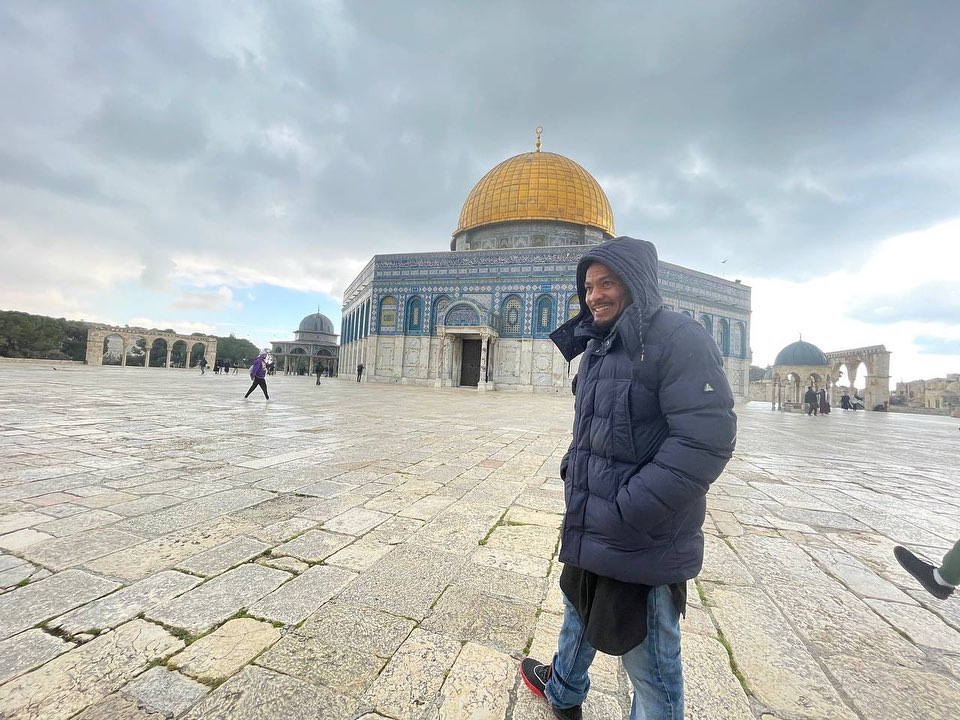
Courtesy of Bilal Mahasin

You work with young people who may feel lost or be getting into trouble. What do you think they’re really searching for?

A sense of belonging and community. A lot of it comes back to identity and acceptance. If you don’t know who you are or where you belong, you can start looking for acceptance in places that ultimately hurt you.

After spending years in prison, what helped you build a different life when you came home?
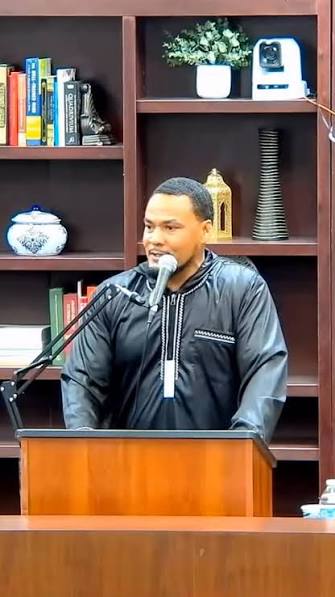
I built my own community. I did the same thing in prison. I found people who wanted to study, exercise, educate themselves and make progress. I’ve always believed that truth and righteousness are attractive. When I came home, I went back to the mosque. Later, I started speaking in Oakland schools and inviting young people to the gym. Once they came, it wasn’t just, “Let’s box.” It was, “Do you have food? Do you need a job? Do you need support?”
Courtesy of Bilal Mahasin

For a lot of young people, success can become tied to money, cars and clothes. How do you want them to think about their own value?
The person has to be more valuable than the things they own. People see the car, jewelry and clothes and think, “That’s success.” But the creation should never become more valuable than the creator. Look at hip-hop. Hip-hop cannot be more valuable than the people who created it. The power was already inside the people.
Courtesy of Bilal Mahasin

So what does wealth mean to you now?

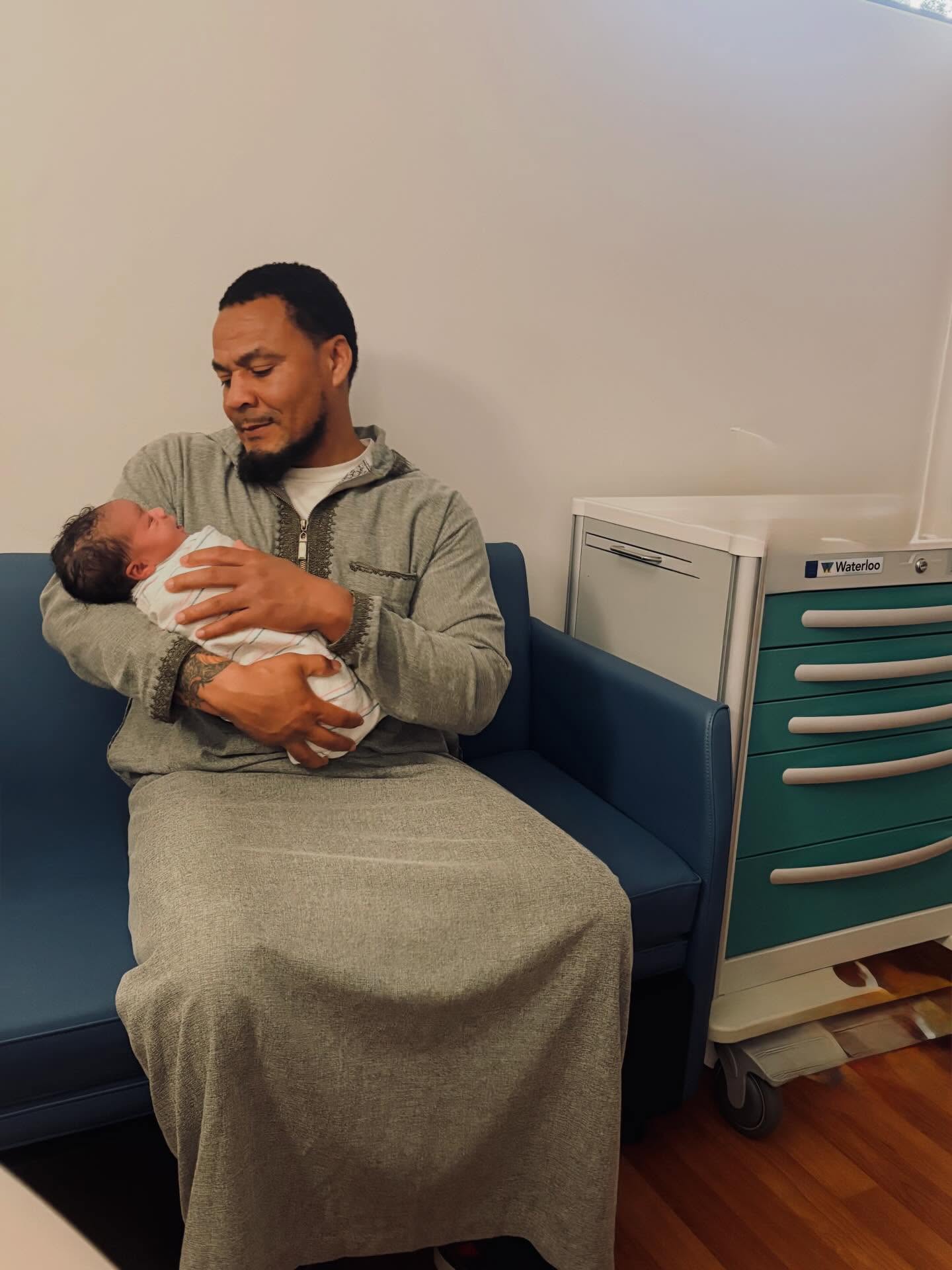
Having control of your time. I asked somebody once, “Would you rather have $10 billion and two minutes left to live, or another hundred years and $50?” The money only matters if you have time to use it. I’ve turned down money to spend time with my family. I have grown daughters and grandsons now. Those years go by, and you can’t get them back. So wealth is also legacy. What did you teach your children? What did you stand for? What continues after you’re gone?
Courtesy of Bilal Mahasin

You spent more than a decade in prison. What do you tell young people who may be heading down that path?
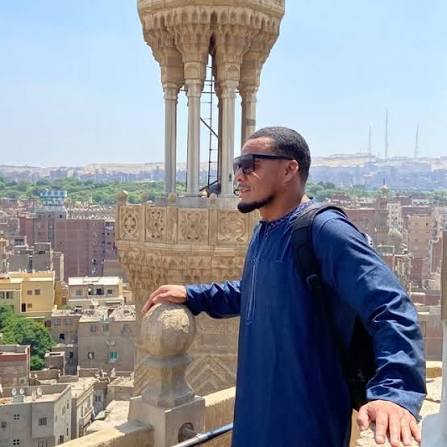
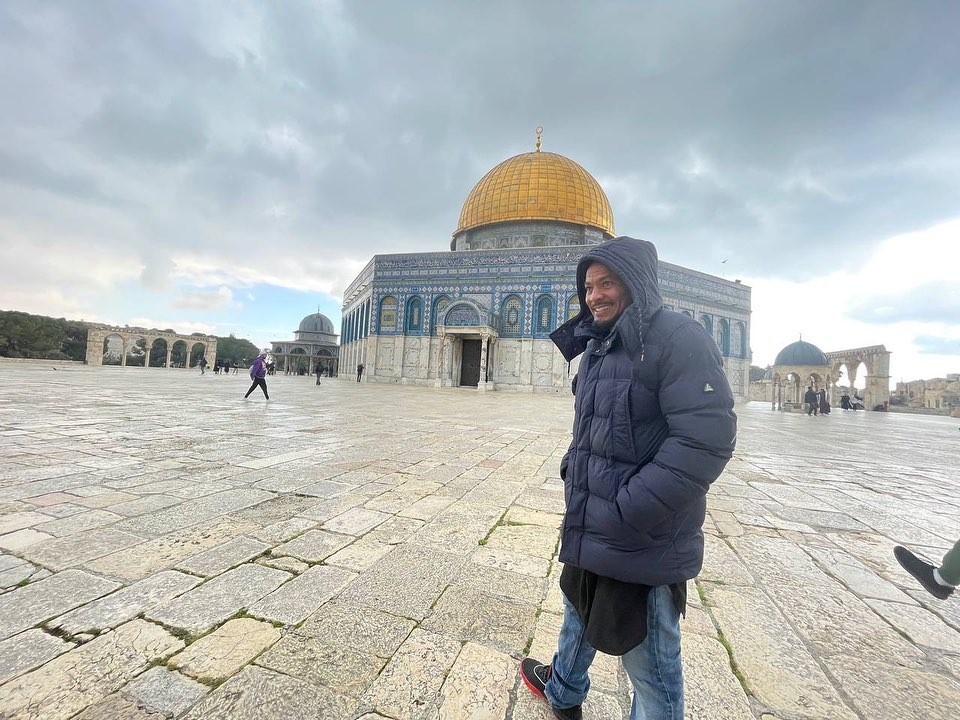
Try your best not to go to prison. When I was there, I decided, “If I’m going to be here, I’m going to treat this like a university.” I could read, exercise, educate myself and work on myself. But you lose years of your life. A lot of those choices come back to identity and acceptance, trying to impress people who may not even be there when the consequences come. Find something greater than the people you’re trying to impress. For me, that became God.
Courtesy of Bilal Mahasin

What happened during your time in solitary confinement, and how did it shape your faith?
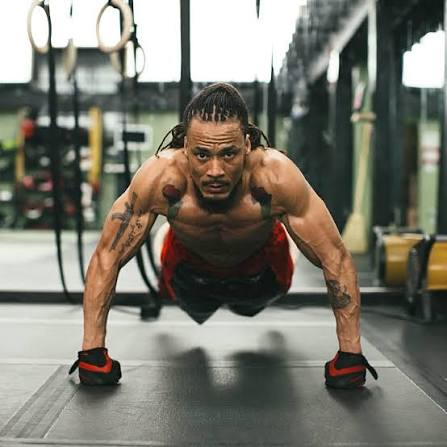
I always say the darkest time of my life was when I found the brightest light. I remember thinking, “God, how could this happen? I’m trying to do good.” I felt like I had nothing. And it was almost like I heard God saying, “You have me. I’m enough for you.” I had been raised Muslim, but being raised in a religion and actually learning to rely on God are two different things. Eventually, I stopped feeling punished and started seeing suffering differently.
Courtesy of Bilal Mahasin

Before the pandemic, you were teaching boxing in China. What brought you back to Oakland?
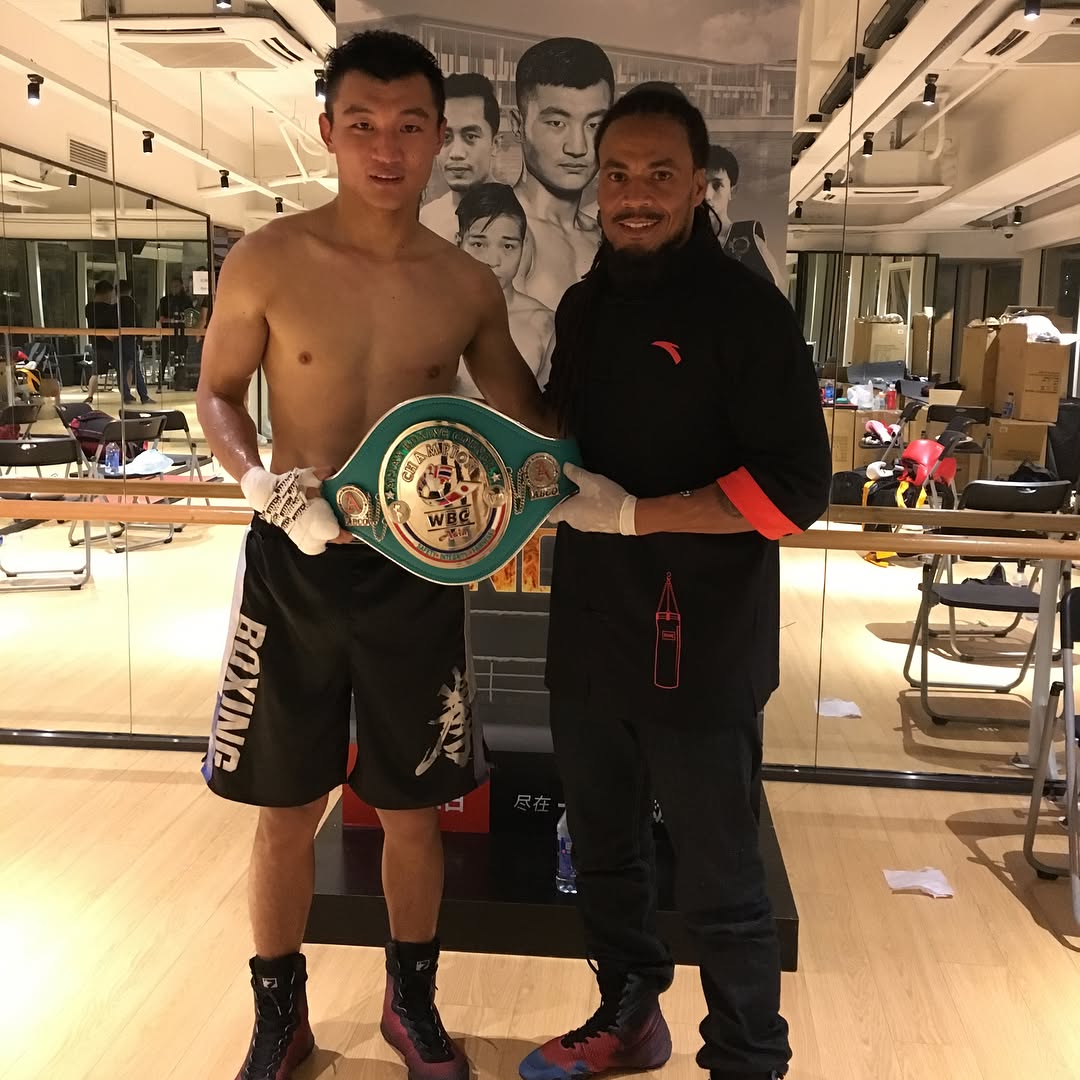
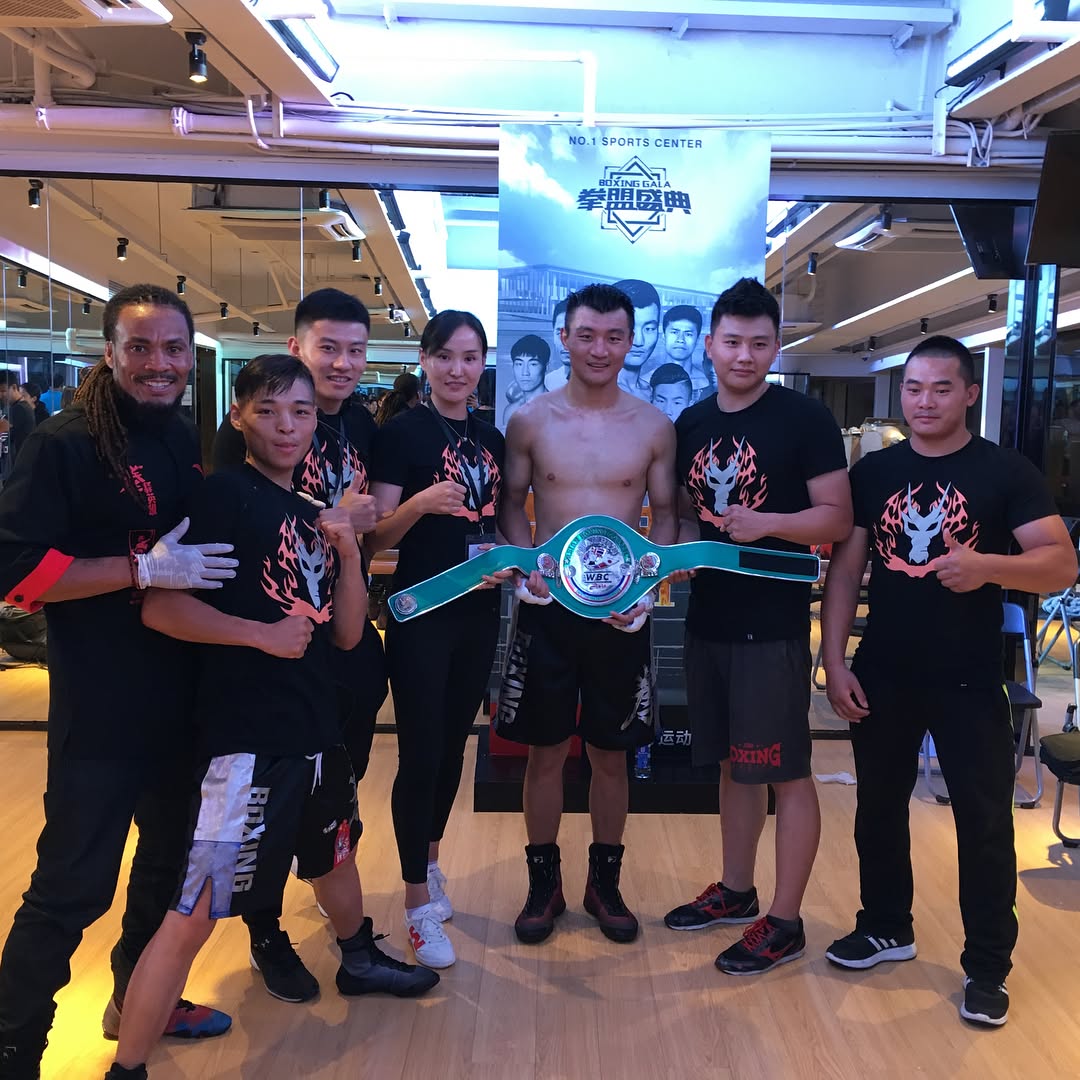
My mother. I was teaching boxing in China, working with fighters and helping launch programs in schools. Financially, I was doing well. My mother basically told me, “You’re comfortable over there while your people still need you.” When the pandemic happened, I came home. Schools, gyms and youth programs were closed, and people kept telling me, “We need people like you out here.” So I started a free boxing program at Lake Merritt. At one point, we had around 60 kids. But it became bigger than boxing. Sometimes we would sit down before training and talk about home, racism and life. We connected young people with resources and with each other. It became a community.
Courtesy of Bilal Mahasin

What do you hope a young person takes away from boxing besides learning how to fight?
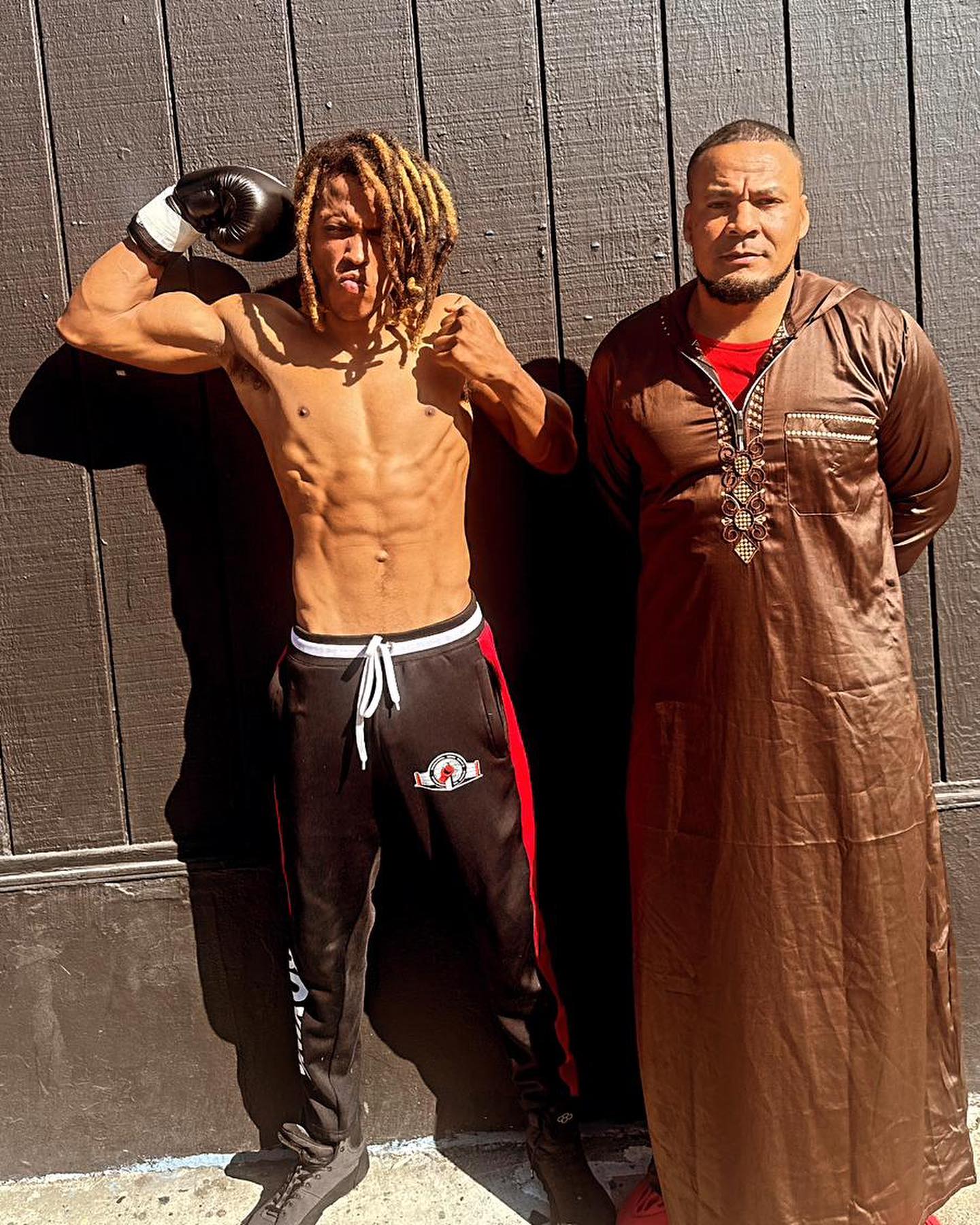
Self-control. I tell people, “I don’t care if you ever compete. I don’t care if you ever become a world champion.” Boxing reveals the parts of yourself you can’t hide. If you’re impatient, anxious or too aggressive, it shows up. Even distance management is a life lesson. If you’re too close, you can get hit. If you’re too far away, you can’t land anything. I care more about developing the person than developing the boxer.
Courtesy of Bilal Mahasin

What were some of the hardest moments you experienced while mentoring young people during COVID?
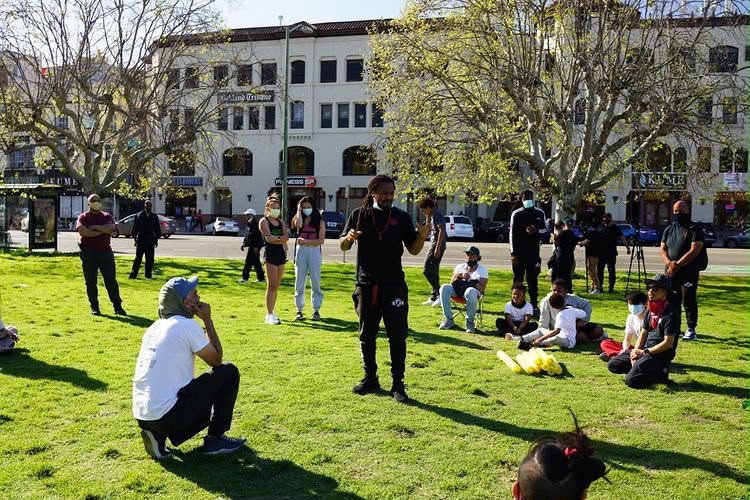
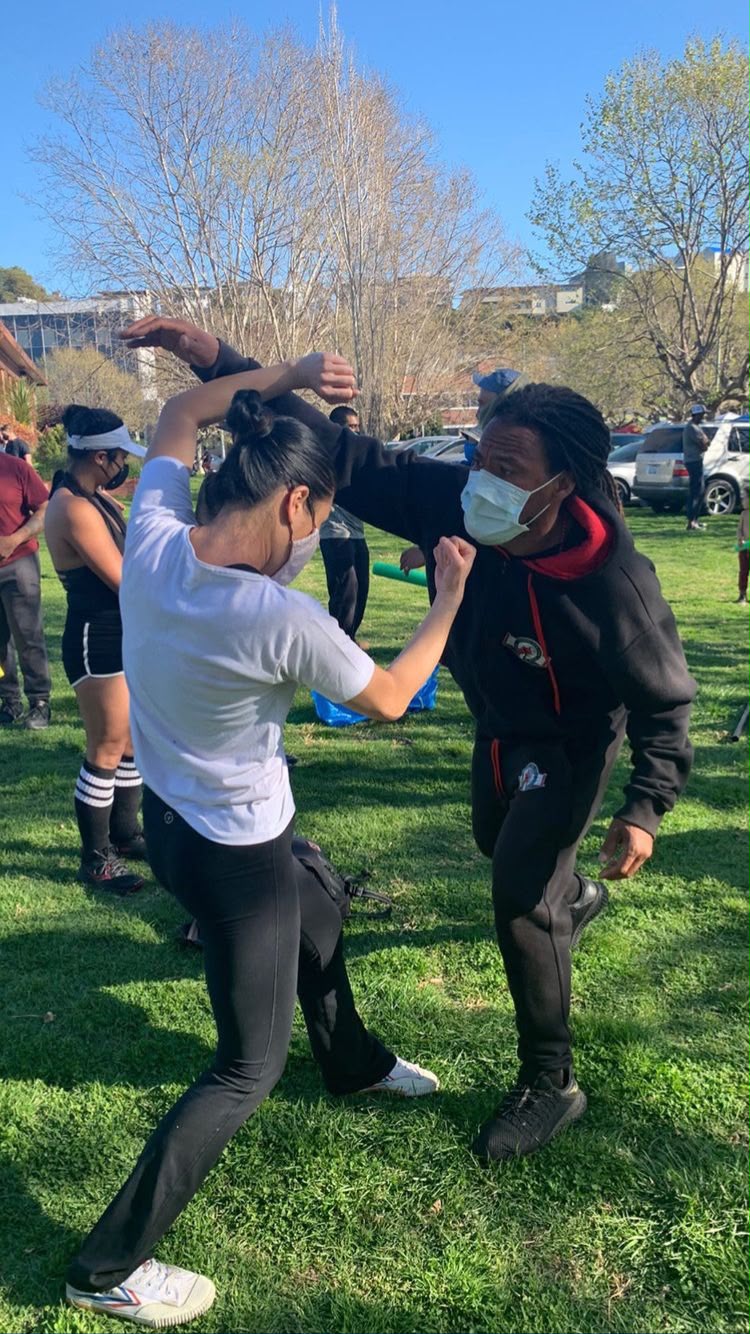
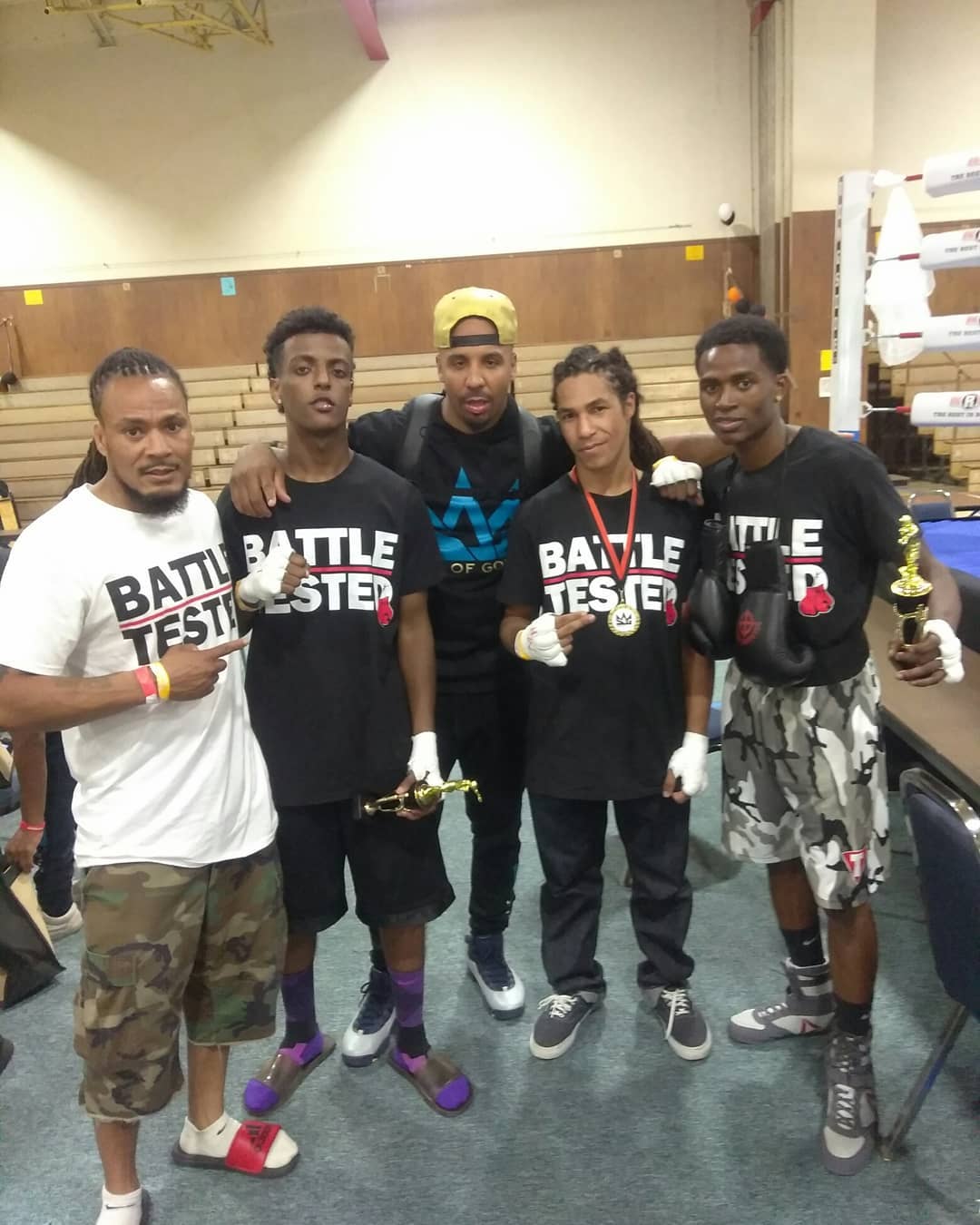
That was hard. Some of these young men were still involved in dangerous situations, but you could see them changing. One father told me, “You’re my last hope. I need my son to stay around you.” I told him, “Don’t worry about paying me. Just bring him.” The young man started getting stronger. He started listening, you could see life coming back into him. Then his father called me crying. His son had been killed. He eventually asked me to help arrange the funeral. This was a kid I had watched go from barely being able to do five push-ups to doing 20. I was excited about his progress, and now I was helping plan his funeral. We lost about four young people during that period. They were all under 22. But it made us work harder. Coach Ray and I kept going. We gave rides, checked on homework and did what needed to be done. Recently, three of our young people competed in an amateur event. One of them had been close to some of the kids we lost, and he won his first fight. That was really a big moment for all of us, a big victory for all of us.
Courtesy of Bilal Mahasin

After everything you’ve experienced, what does leadership mean to you?
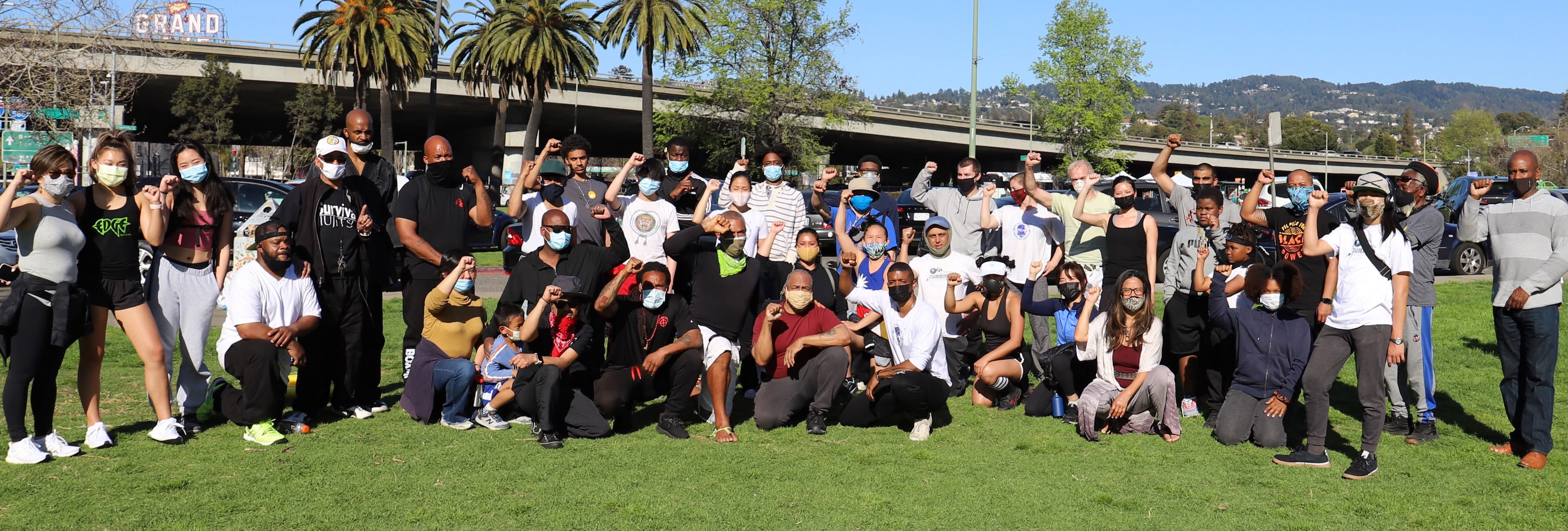
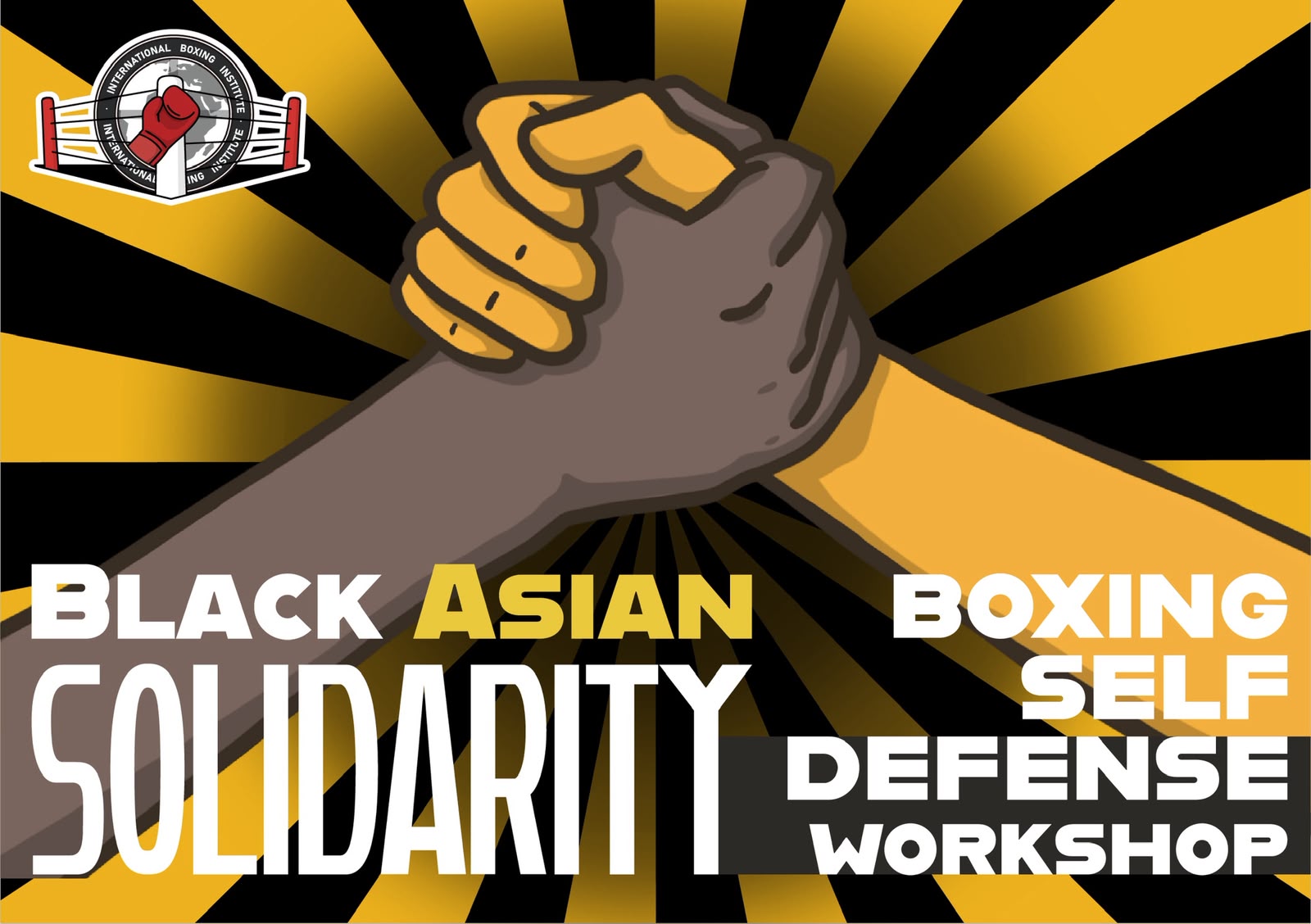
Being accessible. During the pandemic, there was a lot of tension between Black and Asian communities in the Bay Area, so we created Black and Asian Solidarity events. We brought people together to train, learn martial arts and then sit in a circle and have honest conversations about stereotypes and what each community was experiencing. To me, leadership is bringing people together, listening to what they need and making sure you’re there to serve them.
Courtesy of Bilal Mahasin