Leaders in the Bay

Bay Area leaders shaping the future — featured by Akilis World.

Julius Robinson

2026 Oakland Mayoral Candidate

·By: Mbaire
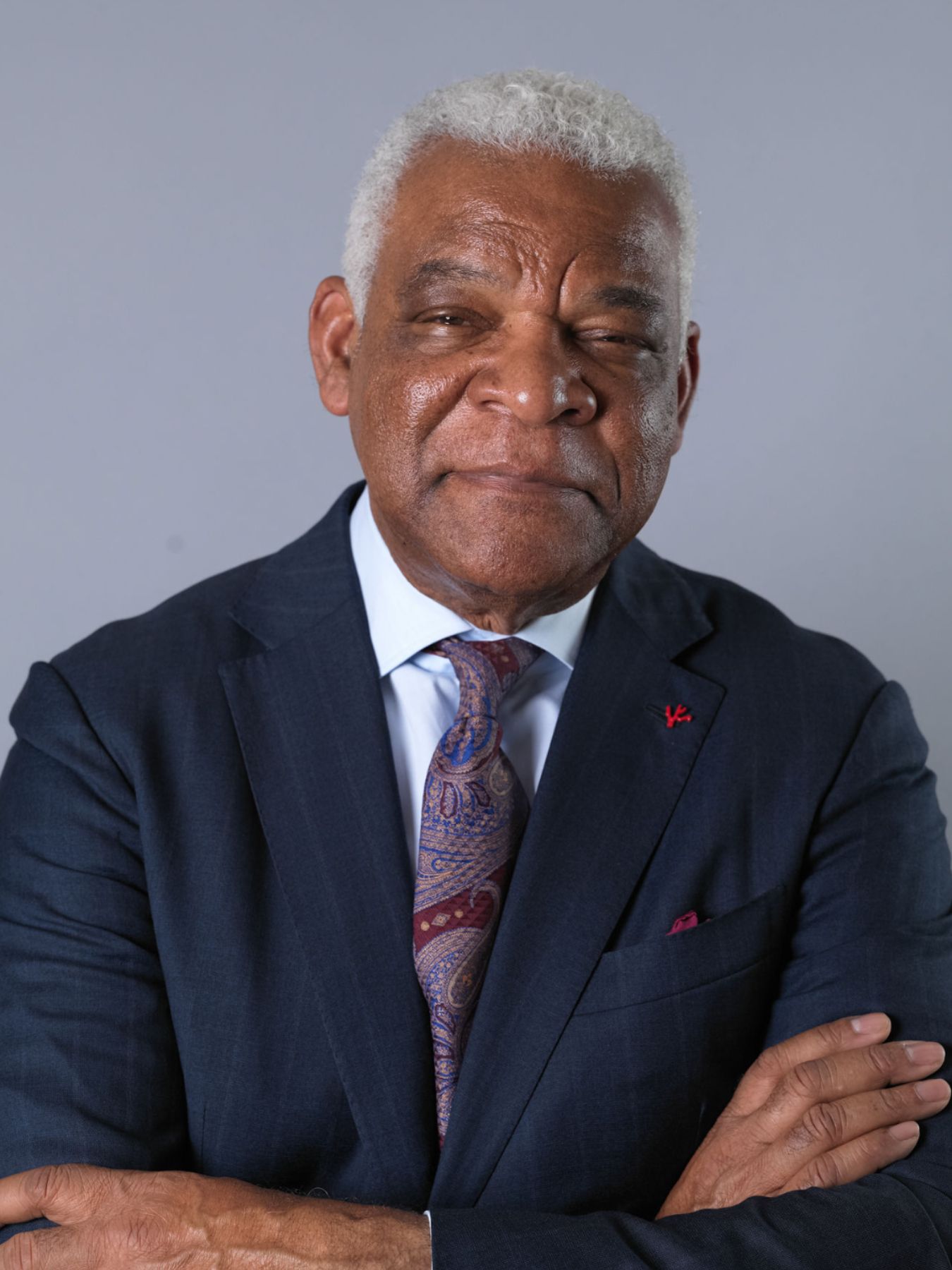
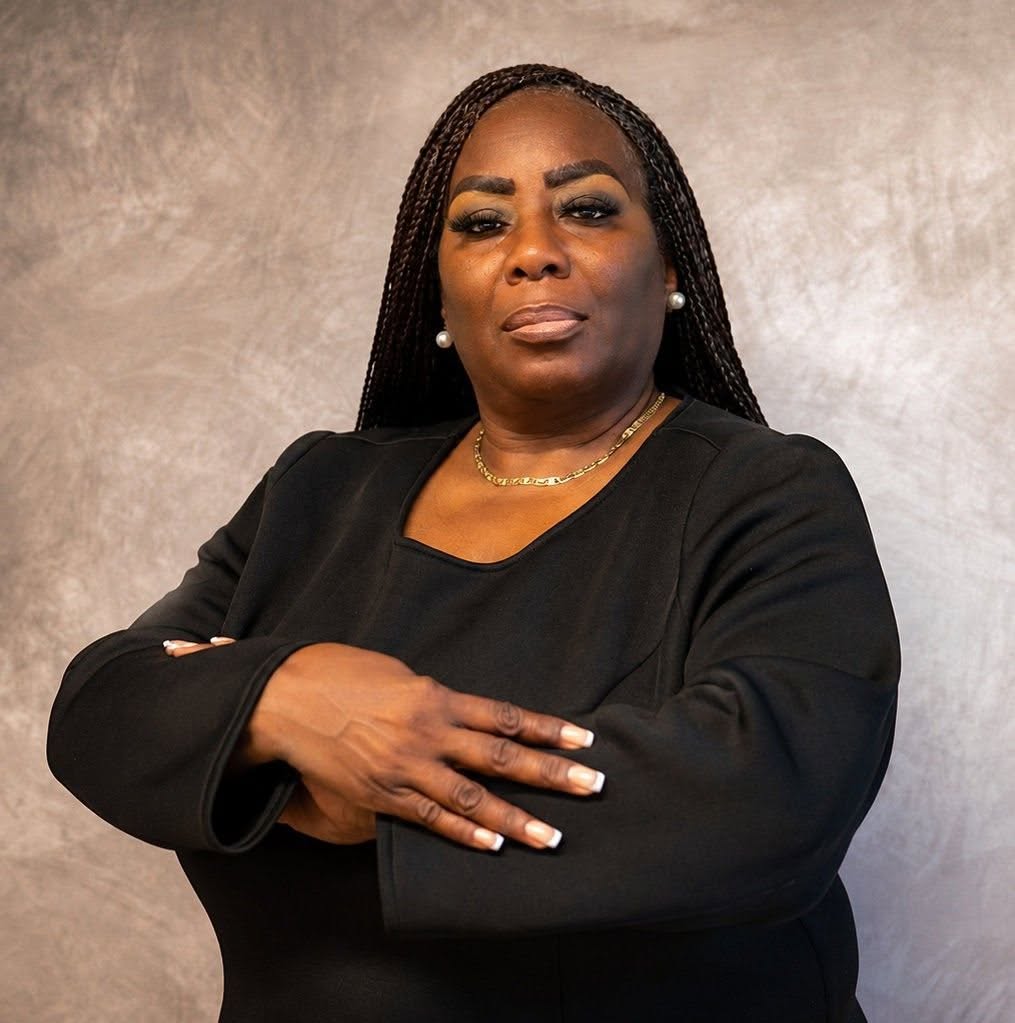
Julius Robinson

Courtesy of Julius Robinson

"We cannot keep taxing our way out of every problem."

After nearly five decades in banking and community development, Julius Robinson is entering politics with a direct challenge to Oakland Mayor Barbara Lee. The former Union Bank executive believes Oakland's struggles reflect more than a shortage of resources. To him, the deeper problem is a lack of urgency, accountability, and economic leadership. In a conversation with Akilis World, Robinson reflects on the Oakland he fell in love with 40 years ago, why he decided to challenge the political establishment, where he disagrees with Mayor Lee, and what he would do differently at City Hall.

You grew up in Los Angeles, yet you've called Oakland home for 40 years. What brought you here, and why did you stay?

I grew up in South Central Los Angeles and initially wanted to pursue a career in foreign service, but banking took me in a different direction. An opportunity with Crocker Bank brought me to Northern California, and I eventually settled near Lake Merritt. That's where my love affair with Oakland began. I was drawn to its diversity, culture, and sense of community. I built my career and raised my two children here. I could have gone anywhere, but I chose Oakland. This is where I wanted to build my life.

What was Oakland like 40 years ago, and what do you miss most?

Oakland in the 1980s was vibrant, culturally rich, and economically active. Downtown was thriving, Broadway was full of businesses, and Jack London Square was a destination. What I miss most is the connectivity, what I call the kinesis of the city. Today, I see empty storefronts, fewer businesses, and the loss of three major sports teams. What we've lost isn't just businesses or sports teams. We've lost some of the economic energy that made Oakland feel alive. I believe we can bring that vitality back with intentional leadership.

After nearly five decades in banking, why enter politics now?

For most of my career, I never felt the need to enter politics because I was already helping people become homeowners, supporting small businesses, and investing in underserved communities. But after retiring, I saw Oakland continuing to struggle despite years of political leadership. I don't come from the political system. I come from a world where your performance is measured by the results you deliver. I believe my experience in economic development and bringing people together offers Oakland a different approach to leadership.

You're challenging Mayor Barbara Lee, who has a long record of public service. What do you believe her administration is getting wrong?
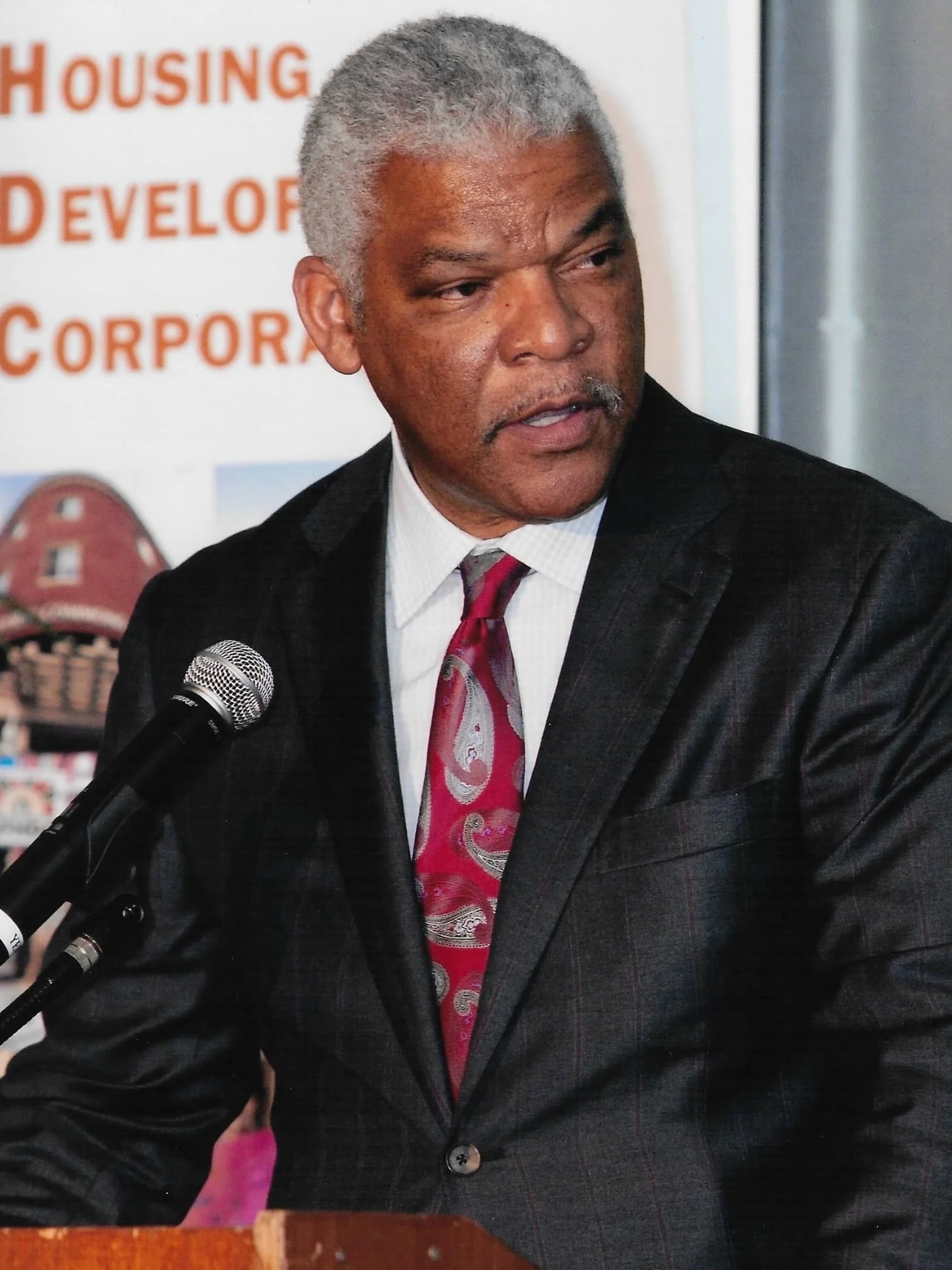
I respect Barbara Lee's work in Congress, but there are basic problems in Oakland that haven't been adequately addressed. Take illegal dumping. We're spending money cleaning up trash without doing enough to prevent people from dumping it in the first place or hold those responsible accountable. Homelessness is another example. We have organizations doing good work, but their efforts aren't sufficiently coordinated, people are falling through the cracks, and housing development moves far too slowly because of administrative delays. In business, your performance is measured every quarter. In politics, we seem willing to wait years for things that should have been addressed long ago. We need to stop measuring success by how much money the government spends or how many programs it introduces and start asking what has actually changed for Oakland residents.
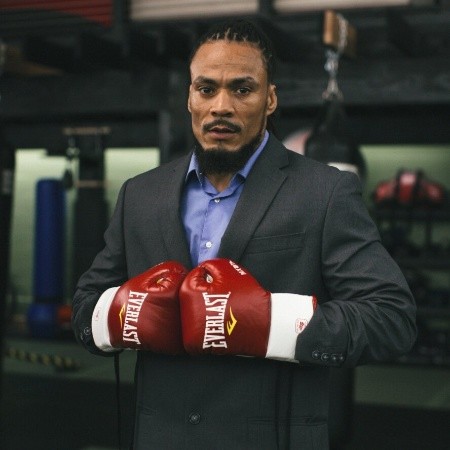
Courtesy of Julius Robinson

Mayor Lee has emphasized progress on public safety. What would you do differently?

Public safety is fundamental to Oakland's recovery because people need to feel safe in their neighborhoods, and businesses need confidence that they can operate without fear. Oakland has a goal of 700 police officers, but we're still below that number. We need better recruitment, improved working conditions, and more efficient use of existing officers. Too many sworn officers are performing administrative duties that civilians could handle, while understaffing and excessive overtime make it harder to retain experienced personnel. Public safety is the bedrock of economic development. You cannot build a thriving city if people are afraid to live, work, and invest in it. My priority would be to give officers the resources and support they need while ensuring the department operates more effectively.

Both you and Mayor Lee want a safer, more prosperous Oakland. What's the biggest difference between your approaches?

I think we share many of the same aspirations for Oakland. The difference is execution, accountability, and the speed at which we deliver results. I'm particularly concerned about our continued reliance on taxation to address financial challenges. I recently counted 20 different tax line items on my property tax bill, and at some point, we have to ask how much more residents can afford. We cannot keep taxing our way out of every problem. We have to start growing our way out of them. I want Oakland to attract major employers, support small businesses, and explore opportunities in emerging industries like artificial intelligence and data centers. We need an economy that creates jobs, generates revenue, and gives more residents the opportunity to participate in the city's growth.

How would you bring jobs, businesses, and investment back to Oakland?

I've spent decades working with banks, investors, businesses, and community organizations, helping direct capital toward economic opportunities. I've been involved in investments supporting companies like Pandora, Tesla, and Revolution Foods, and I've seen how those investments can create jobs and strengthen communities. As mayor, I'd use those relationships to attract investment while helping smaller businesses through faster permitting, stronger financial partnerships, and potentially temporary tax relief. We need to stop waiting for economic development to happen to Oakland and start making Oakland a place where people want to invest. The goal isn't simply to bring in large corporations, but to create an economic environment where local entrepreneurs can grow and residents can benefit from the opportunities being created.

If elected, what would your first 100 days look like?

On day one, I'd bring City Hall's department heads together to establish clear expectations, measurable goals, and regular performance reviews. I'd also work closely with the City Council to ensure different districts are working toward common priorities rather than competing for resources. We need to examine how departments operate, how resources are allocated, and whether restructuring could improve efficiency and service delivery. I want to change the culture of City Hall from one that measures activity to one that measures results. That kind of change requires a clear understanding of what each department is responsible for and a willingness to hold leadership accountable for progress.

With everything Oakland is facing, what keeps you up at night?
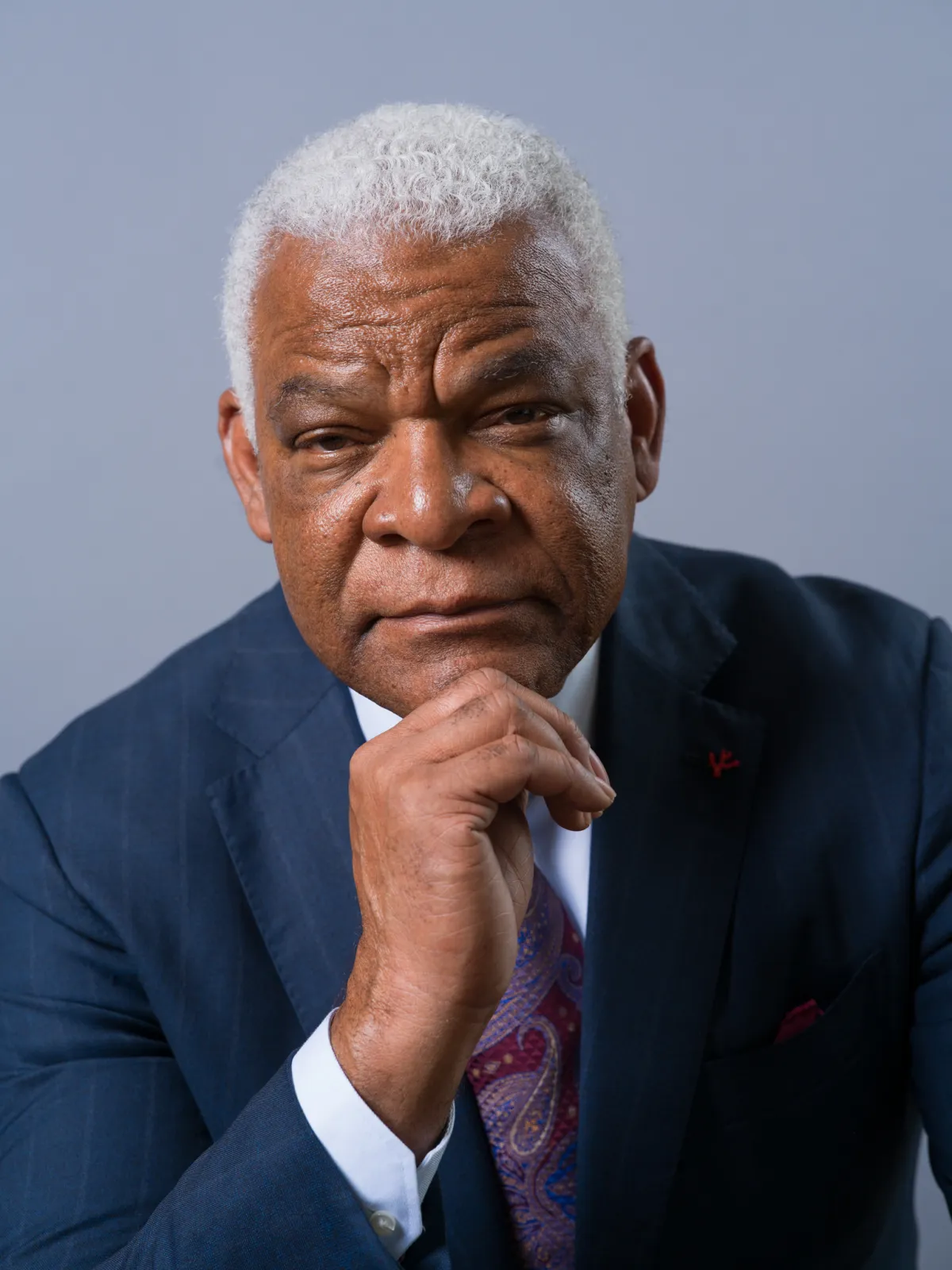
How quickly we can turn things around. Public safety would be my first priority because economic recovery depends on it, but I also think about places like Jack London Square. We have one of the most beautiful waterfronts in the Bay Area, yet I see closed restaurants, underused spaces, and economic opportunities we're not taking advantage of. Oakland also has an extraordinary creative community that should be central to its revival. Our artists, musicians, and cultural institutions are part of what makes this city special, and we need to recognize their role in rebuilding its economy. What keeps me up at night is knowing what Oakland could be, seeing what we've allowed it to become, and thinking about how quickly we can close that gap.
Courtesy of Julius Robinson

Regardless of the election's outcome, what do you hope Oaklanders remember about Julius Robinson?
I've never spent much time thinking about legacy, but I hope people remember me as someone who was authentic, had integrity, and genuinely cared about making Oakland better. I chose this city, raised my family here, and built my life here. Throughout this campaign, the people I've met have only strengthened my commitment to Oakland, and I've even considered writing a love letter to the city to express what it means to me. Whether I win or lose, my commitment to Oakland doesn't change. This is my home, and I want to leave it better than I found it. Ultimately, I hope to be remembered as someone who brought people together and helped build a stronger economic and cultural future for the city.