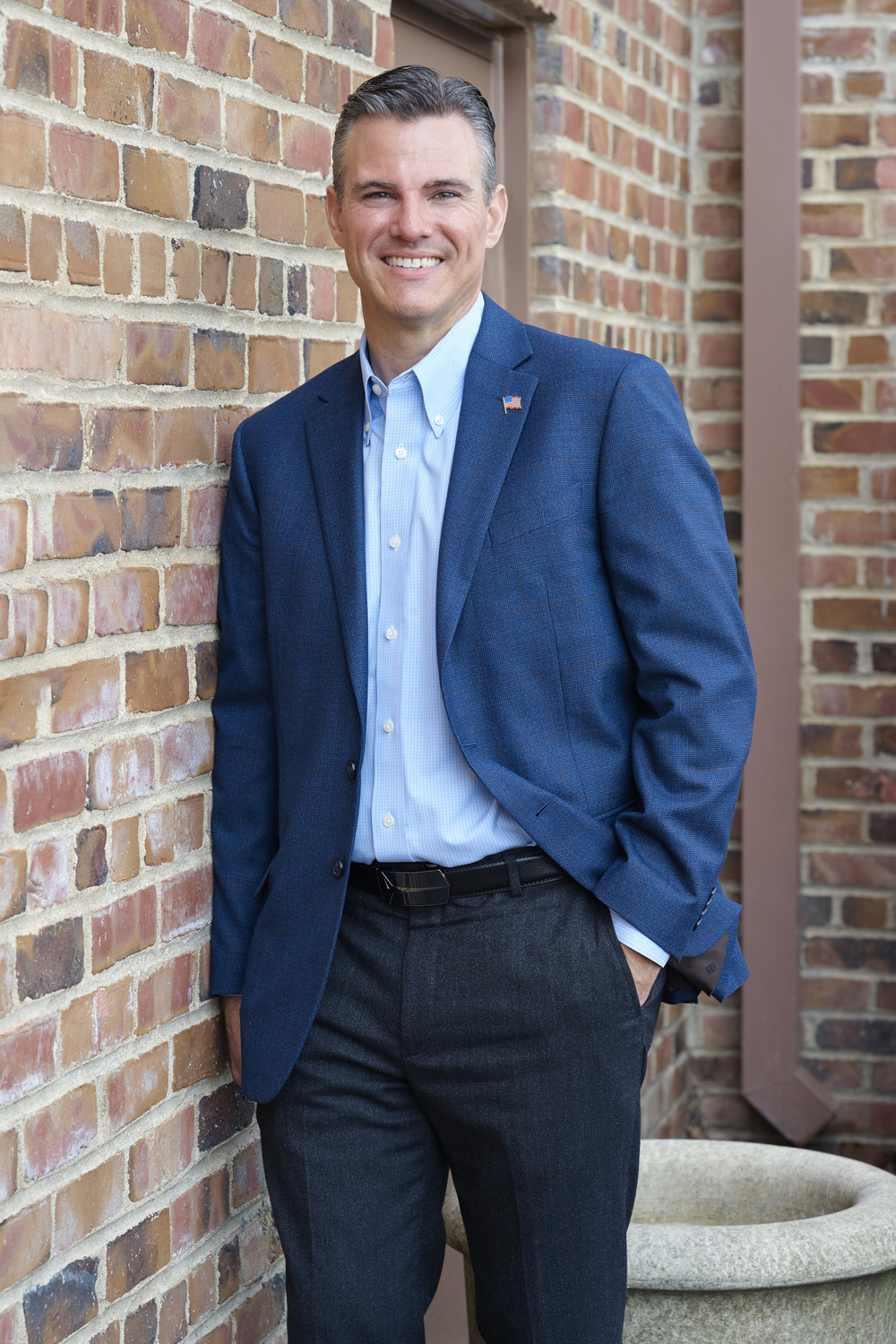
Leaders in the Bay

Bay Area leaders shaping the future — featured by Akilis World.

Brenda Grisham

2026 Oakland Mayoral Candidate

·By: Mbaire
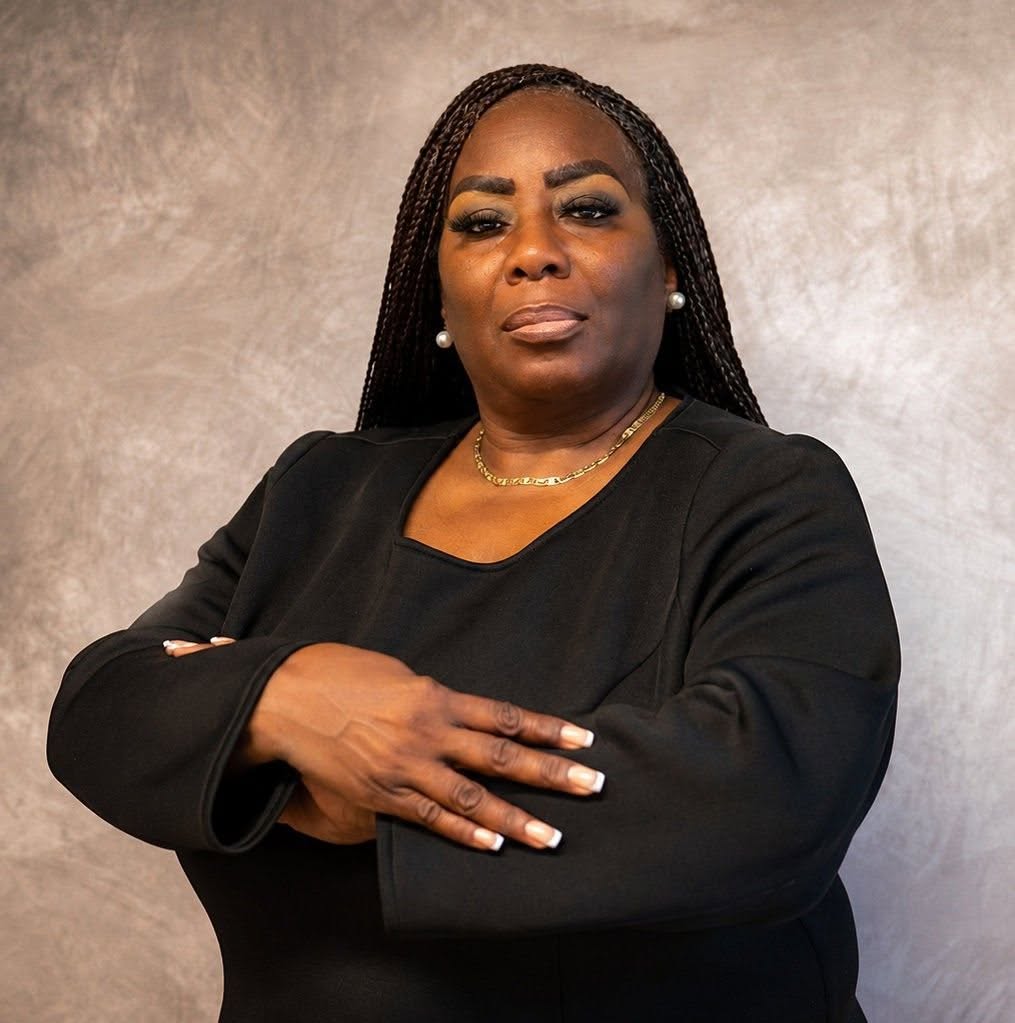
Brenda Grisham

Courtesy of Brenda Grisham

"I think we need to be more transparent about what's really happening in Oakland. We keep hearing that crime is down, and I'm not convinced those numbers tell the whole story."

Brenda Grisham knows Oakland from the streets, the neighborhoods, and the families she's spent years fighting for. A lifelong Oakland resident, business owner, and victims' rights advocate, Grisham's journey into public service began after her 17-year-old son, Christopher LaVell Jones, was murdered in 2010. What started as an effort to help other grieving families navigate the justice system eventually grew into a political movement. In 2024, she helped lead the successful recall of Alameda County District Attorney Pamela Price. Now she's running for mayor of Oakland, challenging incumbent Barbara Lee with a message centered on community engagement, accountability, and public safety. In this conversation with Akilis World, Grisham talks about the experiences that shaped her, why she's running for mayor, where she sees things differently from Lee, and what she believes Oakland needs most.

Who is Brenda Grisham beyond politics? What was life like growing up in Oakland?

I was born and raised right here in Oakland, so I've seen a lot of the city over the years. I grew up in a community where people looked out for one another. My mom worked as a teacher's aide for the school district, and we had a pretty typical family life. Oakland has always been home to me, and I think growing up here gives me a different understanding of the people and the challenges we face.

In 2010, you lost your son, Christopher, to gun violence. How did that experience change your life?
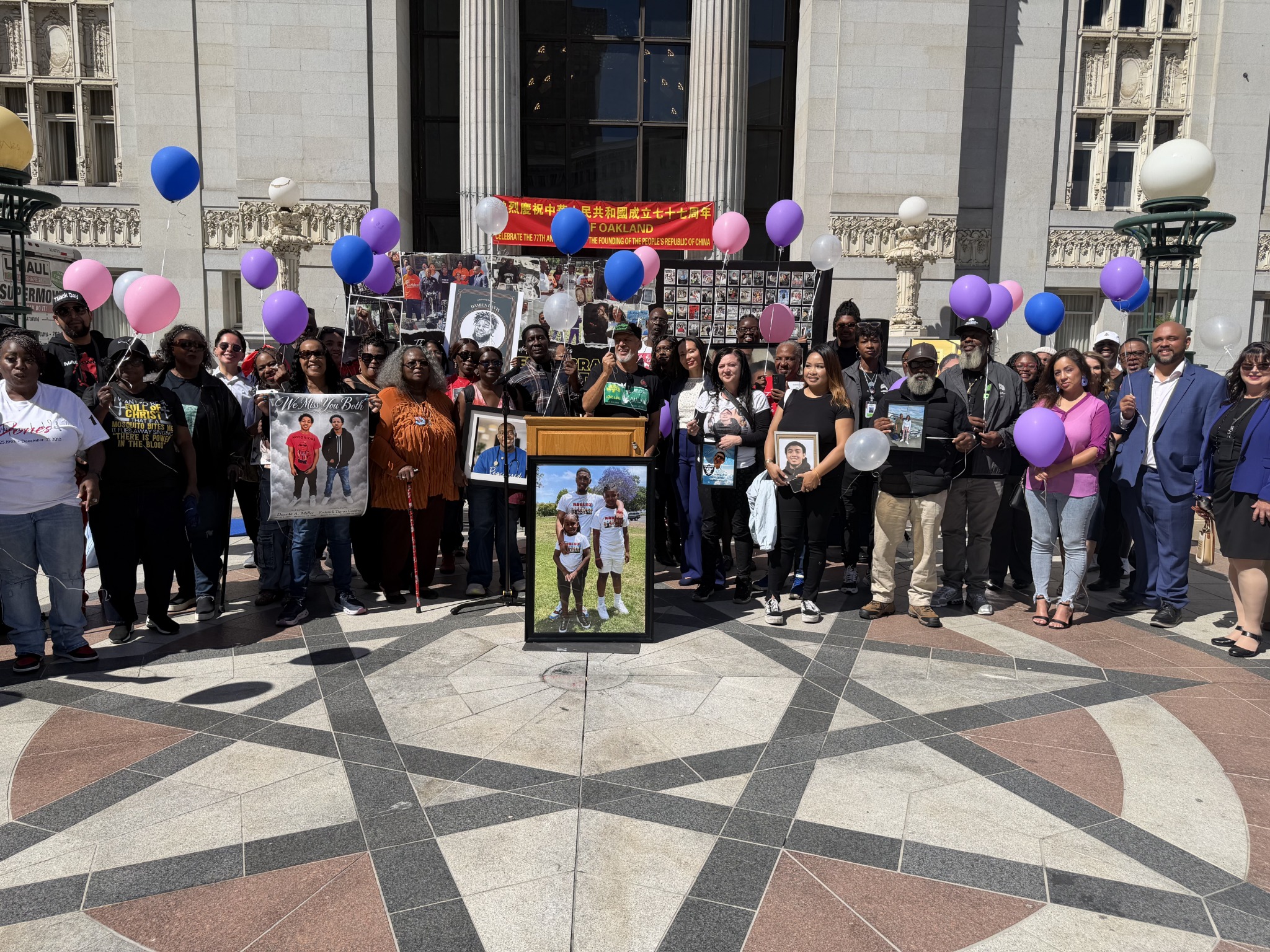
Christopher was only 17. He was an honor student, had graduated early, and was supposed to start college the week after he was murdered. So, you can imagine what that was like. But losing my son didn't really lead me into politics. It led me into advocacy. When you're dealing with a murder case, there's so much families don't understand. People don't always know what the police are responsible for, what the district attorney does, or what decisions are made by a judge. I had to learn all of that myself. I started helping other families who had lost children because I didn't want them to feel lost in that process. That's really where it all started.
Courtesy of Brenda Grisham

You led the successful recall of District Attorney Pamela Price. What made you decide to take the next step and run for mayor?
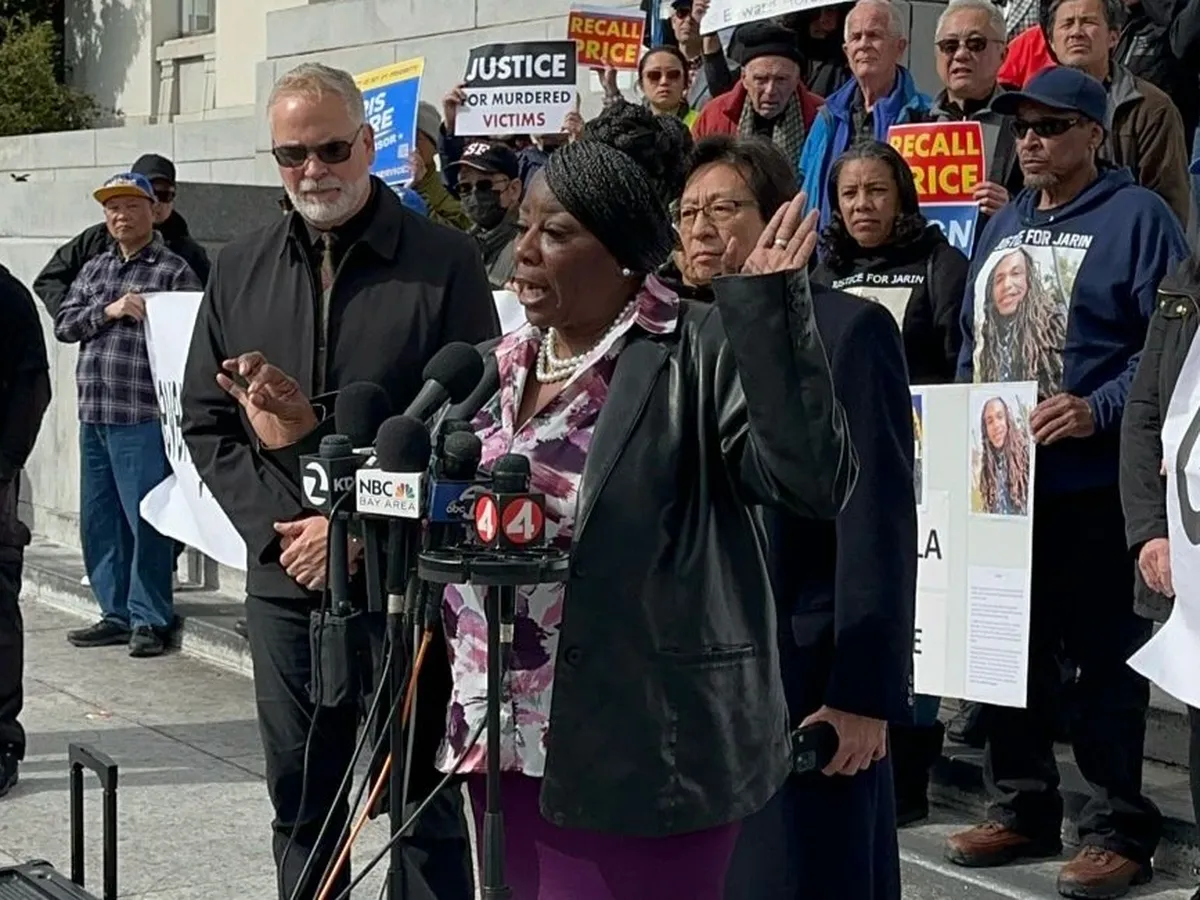
I've been doing this work in Oakland for years. I've worked with people dealing with homelessness, human trafficking, violence, and all kinds of challenges. And one thing I've noticed is that a lot of our politicians aren't really hands-on with these issues. I believe if you're going to lead people, you have to talk to them. You can't just sit behind a desk and decide what they need. When I'm working on something in a community, I bring people together, ask what they think, and we figure out how to move forward.
Courtesy of Brenda Grisham

Why are you running for mayor, and what would you bring that's different from Barbara Lee's leadership?
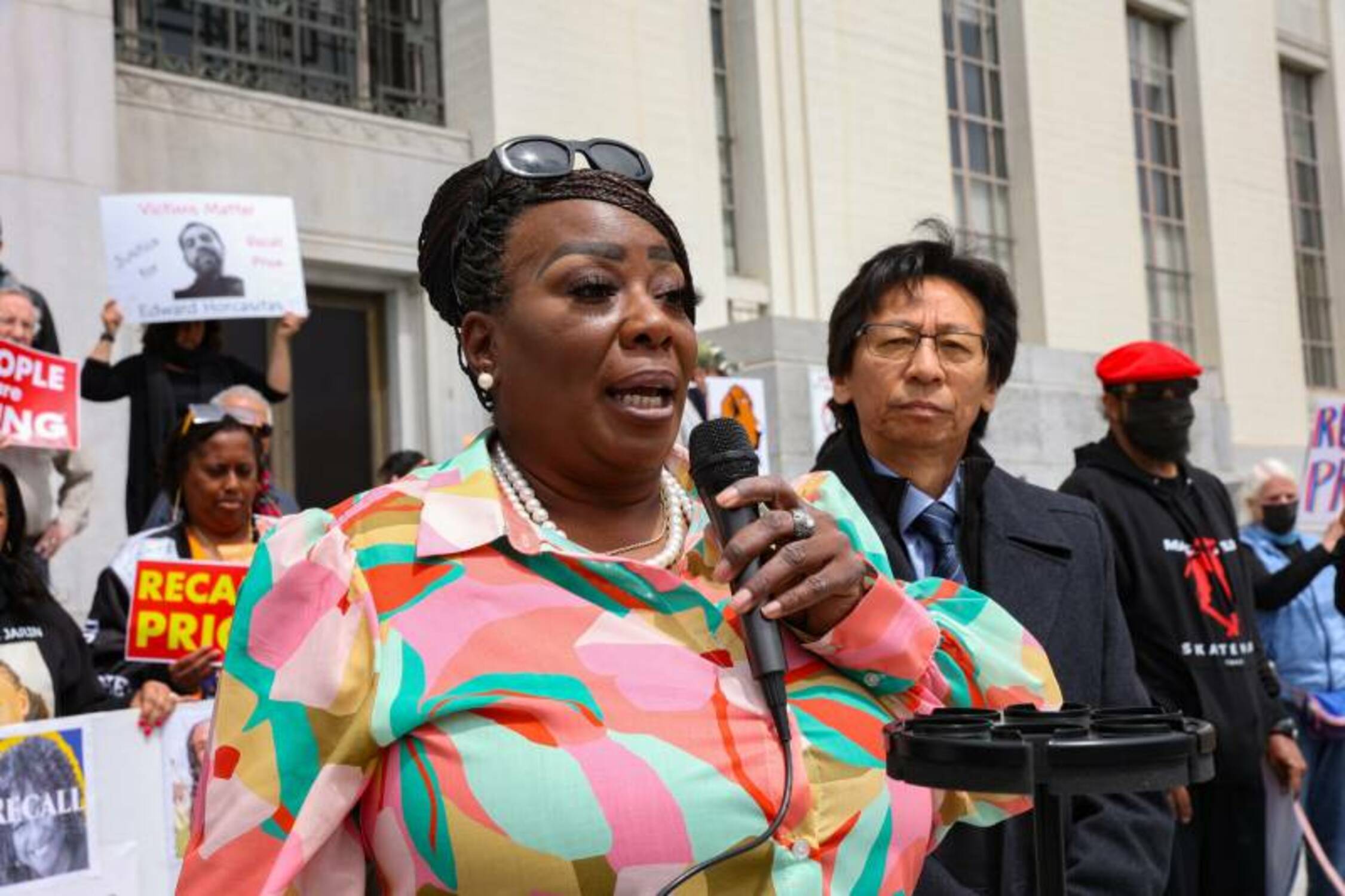
Well, I'm not running against Barbara Lee, I'm running for the people. She has her way of doing things, and I have mine. I've been going to Washington for years advocating for gun laws, but I've also spent years right here in Oakland working directly with people. I run four businesses, and I'm still out in the community every day. When we were gathering signatures for the Pamela Price recall, I went throughout Alameda County. I didn't get those signatures sitting in my office. I went out and talked to people. That's just who I am. I'll go to West Oakland, East Oakland, Fruitvale, wherever I need to go. Being mayor shouldn't stop you from walking into a neighborhood and having a conversation with the people who live there.
Courtesy of Brenda Grisham

Are there areas where you disagree with Mayor Lee's approach to running Oakland?

Well, look at something like illegal dumping. We have all these fines and citations, but who's collecting them? If you don't have the staff or the system in place to enforce the rules, then what's the point? I believe when you start something, you need to have everything in place to make it work. We should be looking at what resources we already have, fixing equipment instead of always spending money on something new, and making sure the people responsible for doing the work are actually doing it.

What makes you the right person to lead Oakland at this moment?

For me, it comes down to transparency and accountability. I've worked with a lot of violence prevention organizations, and I've seen firsthand where things aren't working. Take human trafficking, for example. My offices are right on International Boulevard. I can walk outside and see young women who need help, while there are organizations receiving money to address these very issues. Sometimes I'm calling my friends, trying to find somebody a place to stay or helping a young girl get home safely, and I do that out of my own pocket. So my question is, where are the services? If organizations are receiving funding to do this work, we need to make sure that work is actually getting done.

Public safety is one of your biggest priorities. What would you change about Oakland's current approach?
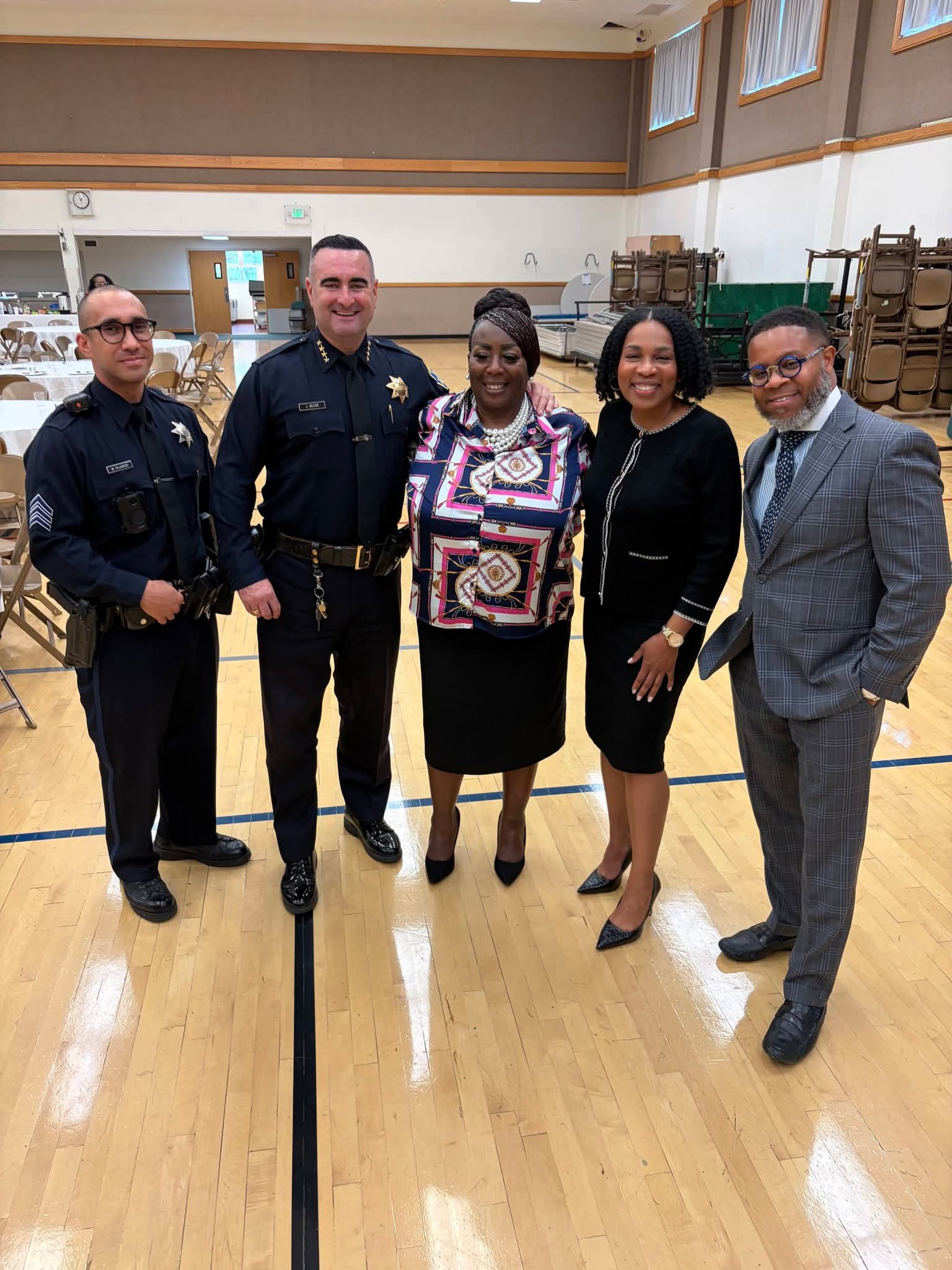
I think we need to be more transparent about what's really happening in Oakland. We keep hearing that crime is down, and I'm not convinced those numbers tell the whole story. A lot of people have stopped reporting crimes because they don't believe anything will happen. If somebody breaks into your car and you're told it could take months to get a police report, why would you keep reporting? I've worked with Ceasefire, and I've seen how violence in Oakland has changed over the years. We need to understand what's happening in our communities today rather than just relying on the same strategies. We also need enough officers and staff to respond to residents and process reports properly. You can't address a problem if you don't have a clear picture of it.
Courtesy of Brenda Grisham

Oakland is also struggling with homelessness, businesses closing, and financial challenges. Where would you start?

Well, I'm a small business owner myself, so I understand some of those challenges. We had one of the largest homeless encampments right outside my businesses, and I got to know a lot of the people living there. One thing people need to understand is that everybody isn't homeless for the same reason. Some people have jobs. Some lost their housing and just haven't been able to get back on their feet. Others need mental health support. We can't just move somebody off the street, put them in temporary housing, and say we've solved the problem. What happens next? How do they get a job? How do they pay their rent? I've seen people move from Oakland to Vallejo, away from their jobs and support systems. One woman we helped find employment ended up having to leave her job because she was relocated so far away. So now she's back to struggling, except this time she also has rent to pay. That's not a solution. We have to think about the whole process of helping someone rebuild their life.

What has surprised you most about running for mayor? What are people telling you they want?

The love from the people. That's been the most wonderful part. I went over to 24th and Chestnut in West Oakland, and when I showed up, people were surprised. They said, "Oh, you really came?" And I said, "What do you mean, I really came?" They told me officials don't usually come out there. And you know what they wanted? Crosswalks, stop signs, and traffic lights. Simple things that would make their neighborhood safer. I stayed out there talking with people into the evening. They couldn't believe I was still there, but I wasn't finished listening. That's what I love about Oakland. People want to be heard, and sometimes what they're asking for isn't complicated at all.

What keeps you up at night when you think about Oakland's future? And what kind of mayor would you want to be?
Well, people already call me at two or three in the morning, so I don't really need anything else keeping me up! I still work with families going through court cases, people dealing with housing problems, and young women who need help. I've always told people they can call me anytime. If I'm elected, the first thing I want to do is sit down with the people already working in City Hall. I want to understand what's happening, hear their ideas, and see how we can work together. I'm hands-on, and I want people around me who are willing to get out into the community and deal with problems directly. As far as how I want to be remembered, I'd like to be one of the friendliest mayors Oakland has ever had. I don't want people to feel like they can't approach me just because I'm mayor. I want them to be able to come talk to me the same way they do now. Because if you're not hearing from the people, how are you supposed to know what's really going on?